
Material variation
Material variation
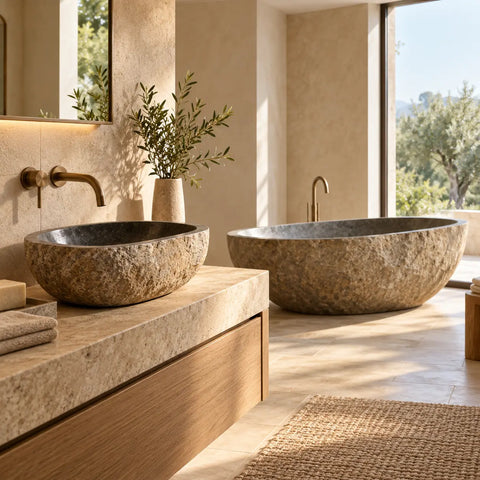
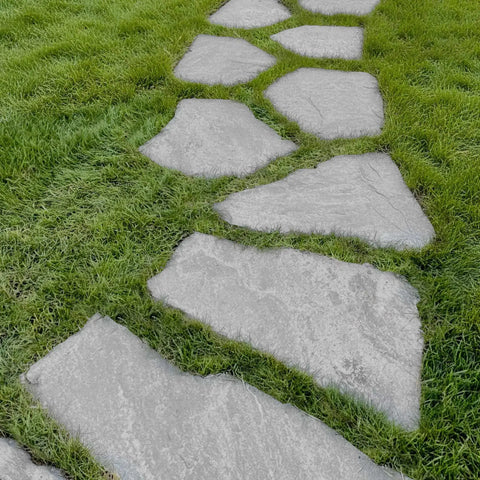
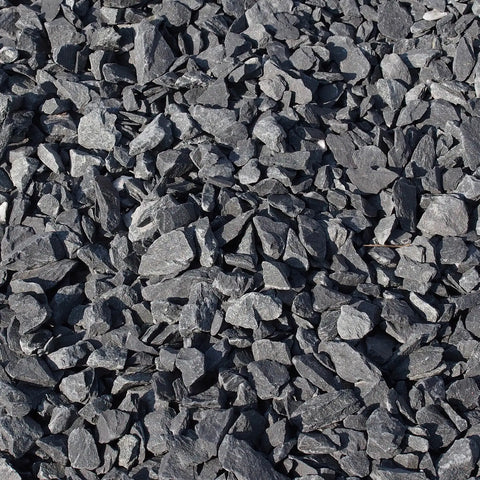
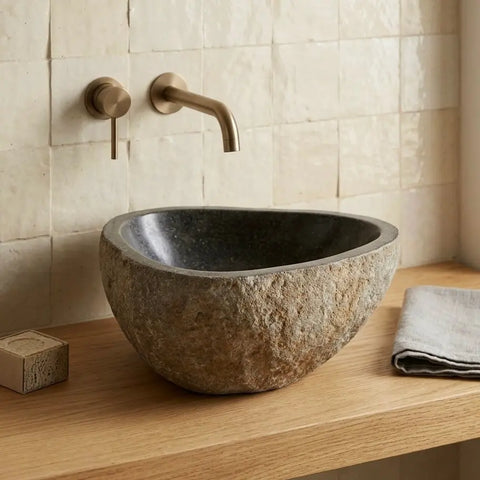
Our products are designed from natural materials and handcrafted, giving them a unique character. Each piece may show slight variations in color, texture, and dimensions. These natural nuances are an integral part of the charm and authenticity of our materials.
To guide you in your choice, we have established a variation guide:
• A low index (1/4) indicates a subtle variation for a homogeneous result.
• A high index (4/4) indicates a marked diversity between elements, offering a more contrasted and authentic appearance.
If you are looking for a specific shade or texture, we recommend planning for a slightly larger quantity to refine your selection during installation.
Color Variation
Low variation (1/4): The shade is generally homogeneous with slight nuances within the same batch. There may be small differences between successive productions, but they remain subtle. To ensure a beautiful harmony, we recommend mixing items from several boxes.
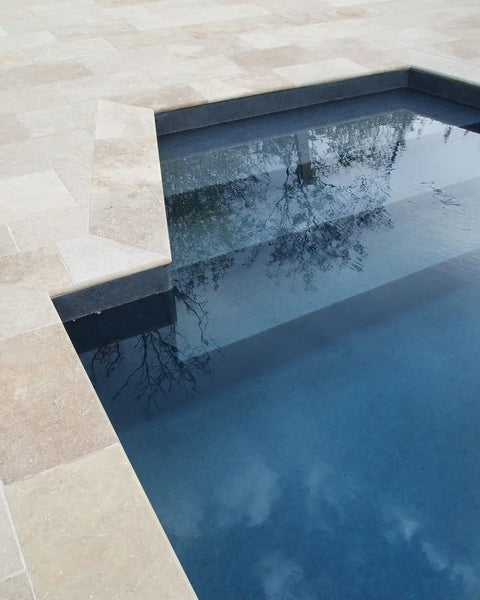
Examples: plain cement-look tiles, Balkan Cream type limestone.
Moderate variation (2/4): Perceptible differences exist between items, either due to the natural properties of the material or due to artisanal manufacturing. The sample received may slightly differ from the final product. To ensure an installation that meets your expectations, it is advisable to order a slight surplus and to distribute the shades according to your preferences.
Examples: grey granite, Kuru Dark, zellige, dune.
Marked variation (3/4): A more pronounced blend of shades is visible, with strong contrasts between different pieces. Installation should be anticipated to harmoniously distribute the variations and achieve a balanced result. We recommend planning for 10 to 15% extra material to be able to select certain shades.
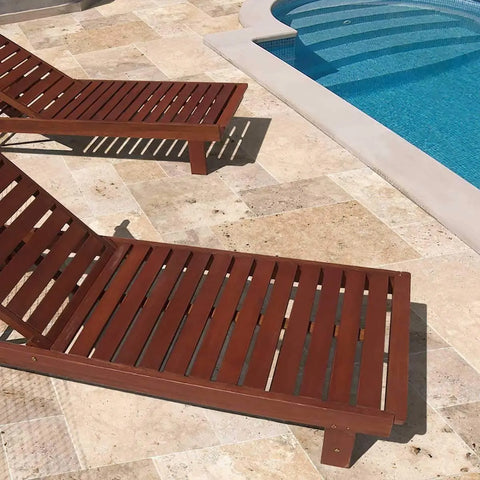
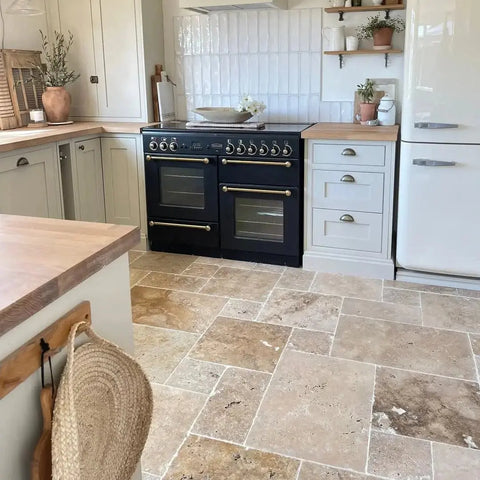
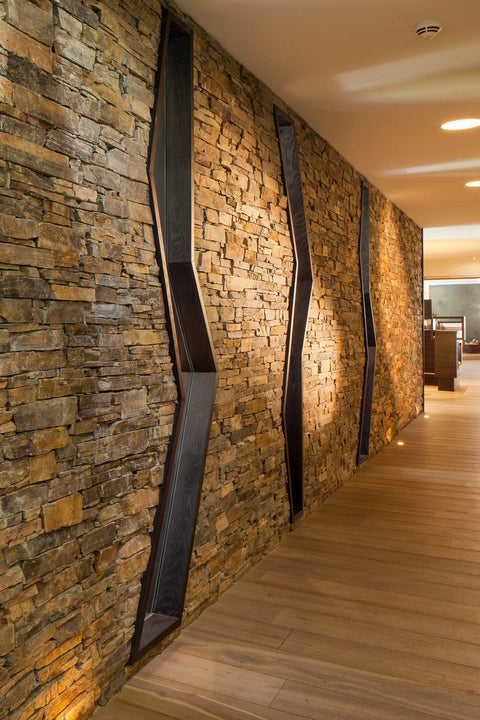
Examples: selected or light travertine, limestone cladding.
Strong variation (4/4): Each piece presents significant color differences. Several shades can coexist in the same batch, making the final appearance unpredictable and unique. This type of variation reinforces the authentic character of the project and requires methodical installation to properly distribute the nuances across the entire surface.
Examples: mixed travertine, Perigord.
Texture and Edge Variations
Surface with straight, clean edges (1/4): These tiles, produced with precise industrial manufacturing, feature perfectly straight and regular edges, with no variations between pieces. This characteristic allows for installation with very thin grout lines, providing a modern and sleek finish.
Example: rectified porcelain stoneware tiles.
Lightly textured surface (2/4): The surface is subtly irregular, creating a natural effect without pronounced relief. This maintains an authentic look while facilitating installation. The edges are straight, ensuring precise alignment. Slightly wider grout lines, at least 3 mm, are recommended to ensure optimal fitting.
Examples: flamed granite, brushed stone, honed Carrara.
Pronounced texture (3/4): Noticeable relief between elements adds character to the covering by creating a varied texture. For a harmonious result, it is advisable to distribute the pieces well during installation. These materials, often produced mechanically with some variation, have a slightly textured surface and edges. Slightly wider grout lines, between 5 mm and 10 mm depending on the stone, are recommended to ensure optimal fitting.
Examples: New Medieval Burgundy Stone.
Irregular texture (4/4): The textural differences between pieces are pronounced. Depending on the product type, some surfaces may be smoother while others have more pronounced relief. This effect creates an authentic and natural look. For a harmonious visual balance, it is essential to distribute the elements well during installation, without prior sorting, to preserve the desired effect. Wide grout lines, greater than 1 cm, are necessary to compensate for irregularities and ensure stability.
Examples: raw stone such as Dorato, cleaved stone, fractured stone, artisanal terracotta.
Size Variation
Regular Format (1/4): Elements have similar dimensions, ensuring precise and uniform installation. Machine-made.
Examples: calibrated tile.
Slight Variations (2/4): Subtle differences in dimensions are present, with slightly irregular edges for a more natural look. Installation with slightly wider joints is recommended.
Examples: natural stone with straight edges.
Variable Size and Thickness (3/4): Differences between elements are more pronounced (size and thickness +/- 2 mm), which gives a handcrafted and authentic effect. Installation requires adjustments.
Examples: travertine, natural stone paving with chipped edges.
Strong Variation (4/4): Each element is unique, with marked differences in size and thickness. This type of material is suitable for projects seeking an authentic and traditional effect. Installation with wider joints is recommended to compensate for the differences.
Examples: old monastery stone, reclaimed terracotta, Authentic facing, medieval finish.
Why these variations?
Natural materials have a unique beauty, and their irregularities are part of their charm. Understanding these differences will allow you to choose the product that best meets your expectations and avoid any surprises during installation.
If you want a more precise selection, consider ordering an additional quantity to better control the final result.
Need help? Our team is at your disposal to advise you!


