
Collection: Beige border
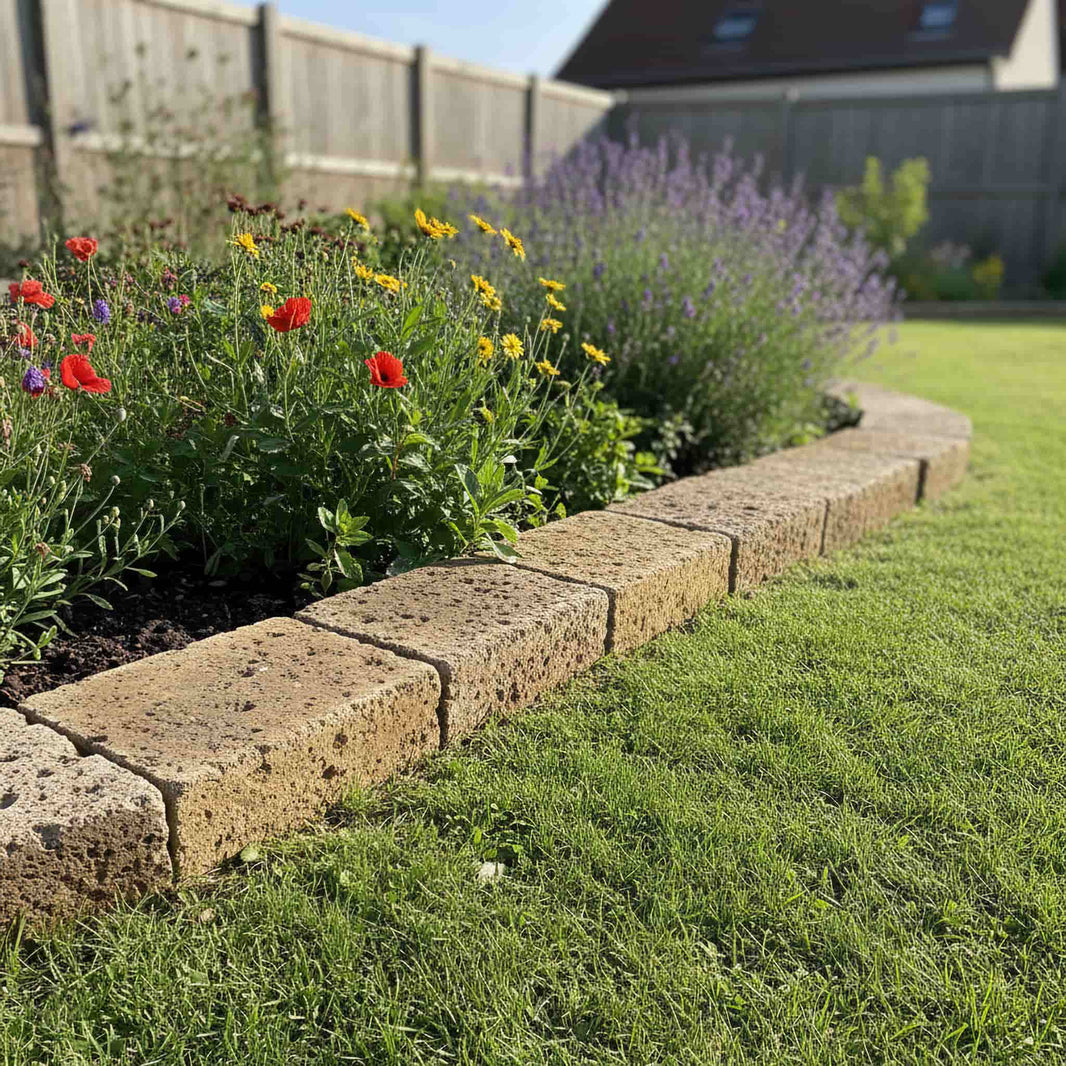
Bring a natural and warm touch to your outdoor landscaping with our selection of beige natural stone borders. Ideal for marking out a path, structuring a flowerbed or highlighting the outline of a terrace, they help organise your garden while keeping a harmonious look.
-
Border
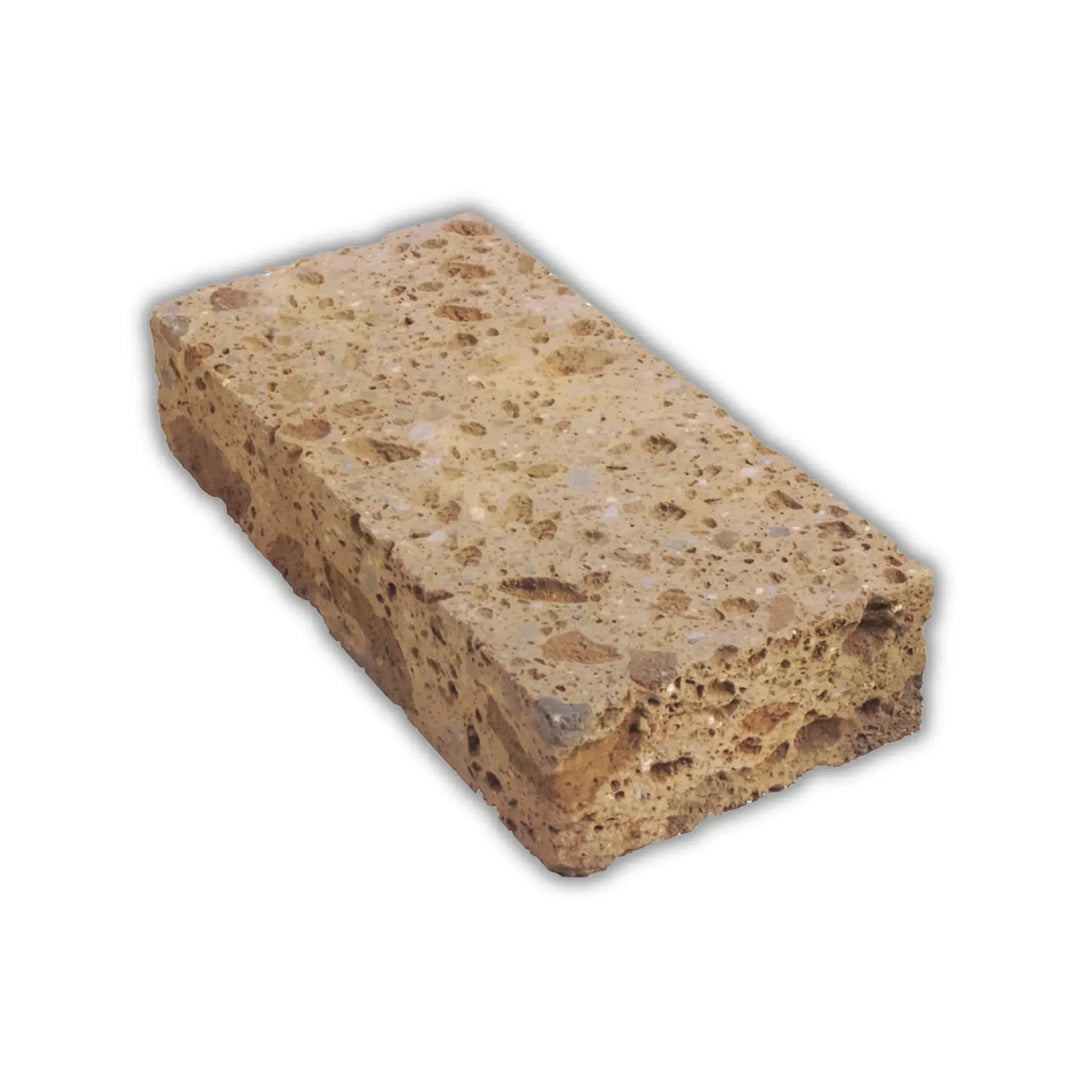
TUFF Volcanic Rock Edging
5.0 / 5.0
(5) 5 total reviews
Regular price 8,50€ /piece8,50€ /piece Sale price Regular priceUnit price /piece / per/piece -
Sold out Mineral SelectionBorderSINAI PEARL Limestone Edging
4.88 / 5.0
(8) 8 total reviews
Regular price 16,90€ /piece16,90€ /piece Sale price Regular priceUnit price /piece / per/piece -
Border
ALMENDRA Limestone Edging
Regular price 25,90€ /piece25,90€ /piece Sale price Regular priceUnit price /piece / per/piece -
Border
TRAVERTINE MIX Edging
5.0 / 5.0
(6) 6 total reviews
Regular price 27,50€ /piece27,50€ /piece Sale price Regular priceUnit price /piece / per/piece -
Border
SAINT VALMIER Limestone Edging
Regular price 39,90€ /piece39,90€ /piece Sale price Regular priceUnit price /piece / per/piece -
Border
SAVANNAH YELLOW Granite Edging
Regular price 45,50€ /piece45,50€ /piece Sale price Regular priceUnit price /piece / per/piece
EVERYTHING YOU NEED TO KNOW ABOUT BEIGE GARDEN EDGING
Would you like to choose a beige border for your garden? Find our answers to the most frequently asked questions about materials, shades, uses, installation and maintenance of natural stone borders. This advice will help you select the dimensions and style suited to your outdoor landscaping.
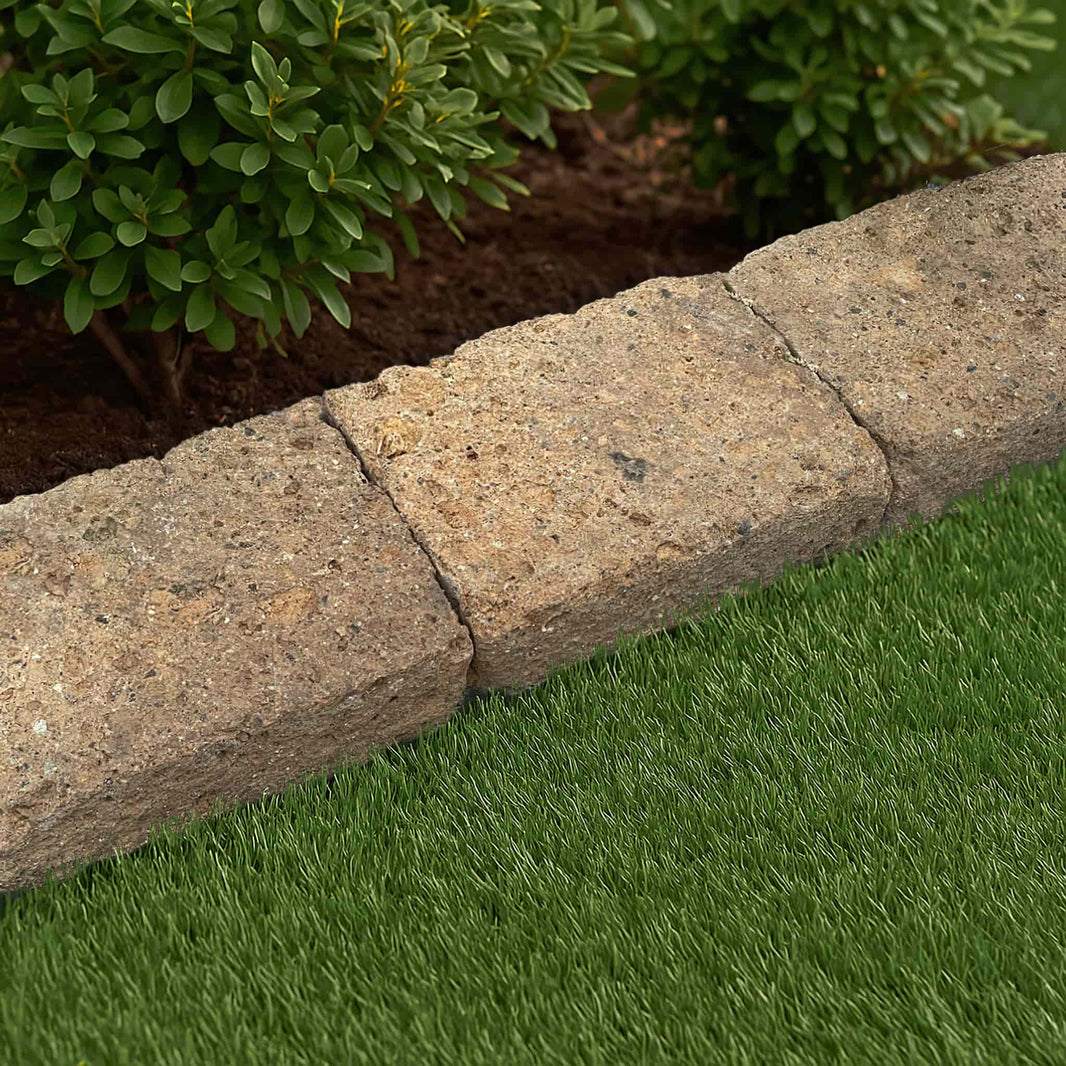
A beige natural stone border makes it possible to delimit and structure the different areas of a garden. It provides a refined finish to paths, flower beds, lawns and landscaping features. Its soft shades, ranging from sand to golden beige, easily match plants, gravel and outdoor coverings.
Unlike industrially manufactured borders, natural stone has nuances and textures specific to each material. These variations add relief to the installation and reinforce its authentic look. Depending on the look you want, you can opt for a light-toned limestone or a rock with a more pronounced texture.
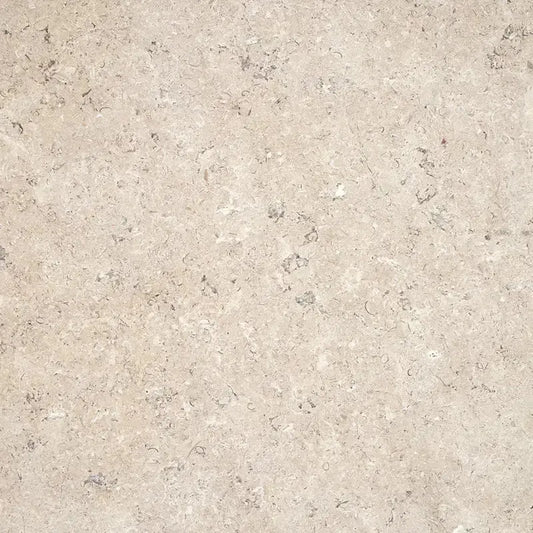
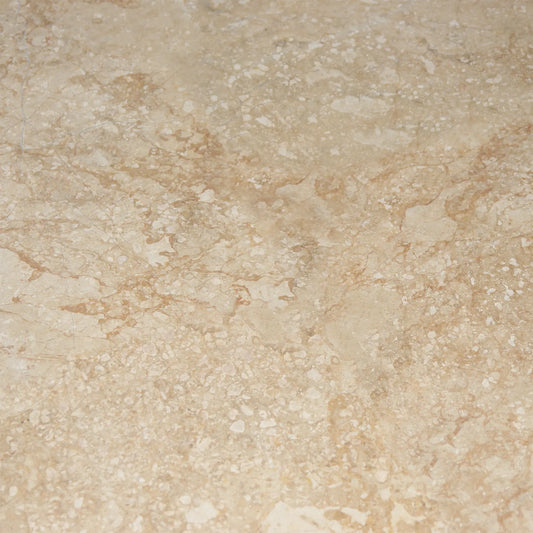
For example, the SINAI PEARL limestone border offers a light, luminous shade, while the ALMENDRA limestone border brings a deeper beige tone. These elements make it possible to create a harmonious visual separation while keeping a natural look.
Beige edgings have their place in many outdoor landscaping projects. They are used in particular to separate a lawn from a flower bed, to frame a path or to maintain a boundary between different materials. Their neutral color makes them easy to integrate into contemporary, classic or more rustic gardens.
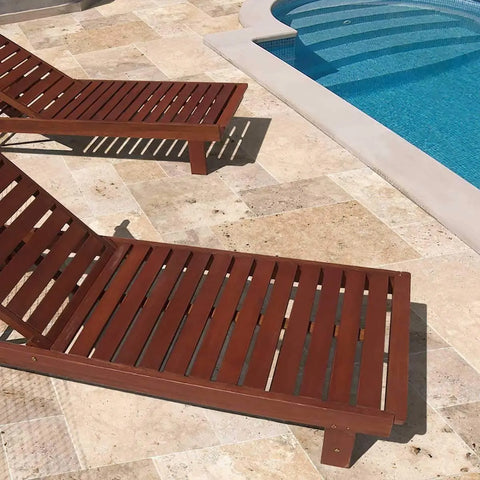
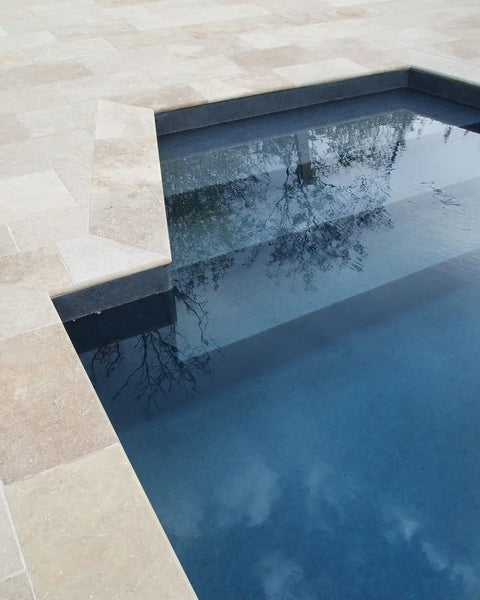
Around a terrace, they can highlight the contours of a relaxation area and create a transition with the plantings. In a landscaped garden, they help structure the beds and showcase flowers, shrubs or decorative gravel. They can also run alongside a stone or slab path to create aesthetic continuity.
The choice of material depends on the desired atmosphere. A beige limestone edging provides a soft
and warm finish. For a stronger contrast with the vegetation, a stone with darker shades can be considered.
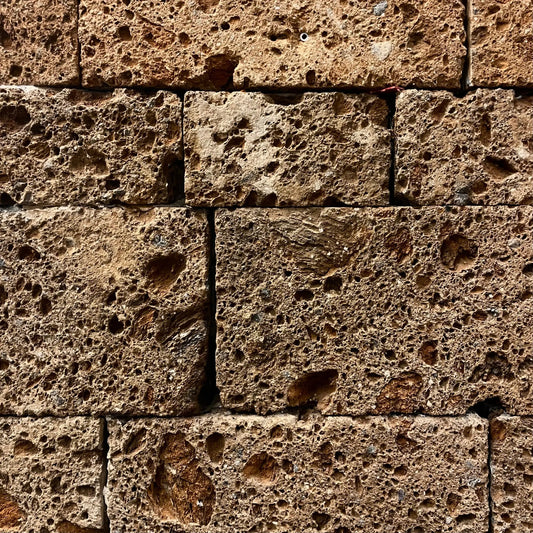
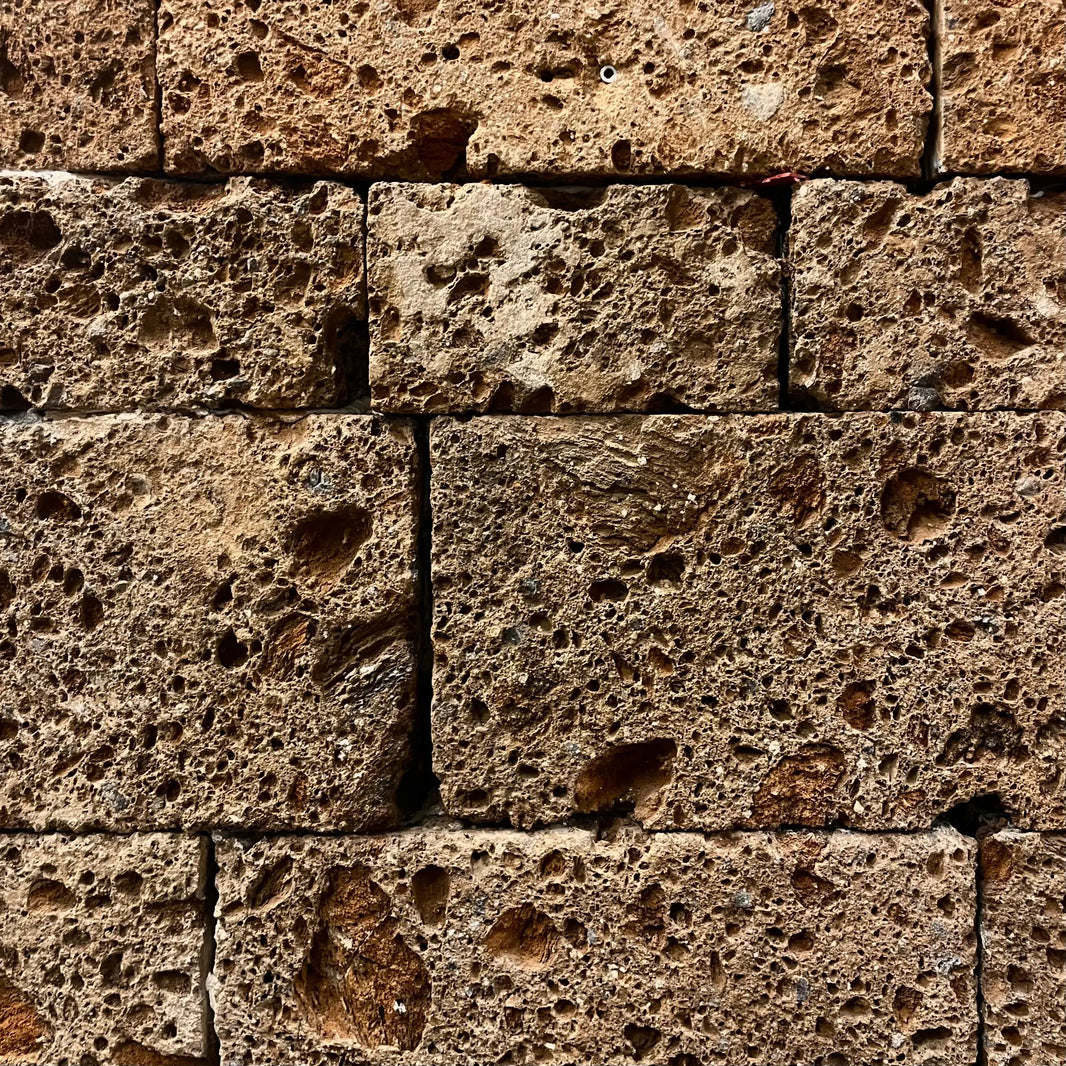
The TUFF volcanic rock edging, for example, has a different tone that can complement a landscaping project in natural colors. The key is to choose an edging suited to the intended use and to the visual balance of the garden.
The choice of colour depends above all on the environment in which the edging will be installed. A light beige shade brightens a space and creates a discreet transition with a terrace or path. Sand or golden shades, for their part, bring a warmer atmosphere, particularly suited to natural gardens.
It is also worth taking into account the materials already present. With grey slabs, a beige edging creates a soft contrast. Close to a stone wall or light paving, it maintains a certain visual continuity. Plants also play an important role: beige enhances green foliage and the colours of flowers.
Natural stone has variations in colour, texture and appearance. Two pieces are therefore not necessarily identical. This characteristic contributes to the charm of the material, but it is useful to consult the photos and product characteristics before making your choice.
For a coherent look, you can compare the available models, in particular the ALMENDRA limestone edging and the SINAI PEARL limestone edging.
Limestone and travertine are two natural materials with different appearances. Limestone can display a relatively uniform surface or more pronounced mineral shades depending on its origin and finish. It suits many landscaping styles, especially when you are looking for an understated and elegant beige edging.
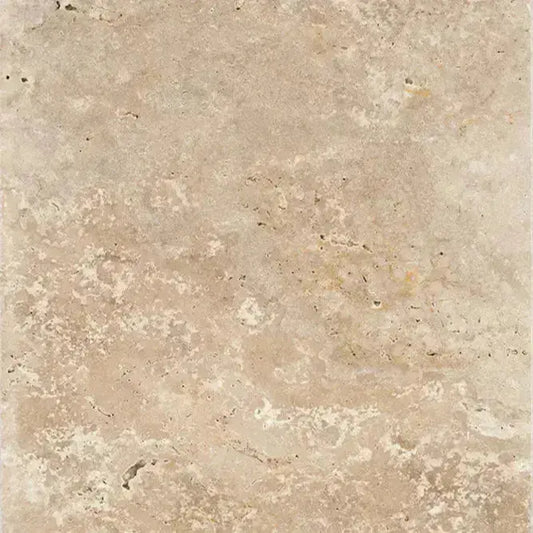
Travertine stands out for its characteristic appearance, with colour variations and a texture sometimes dotted with small natural cavities. It brings a more nuanced appearance and a distinctive character to outdoor spaces. The choice between these two stones therefore depends mainly on the desired look and how well it matches the other materials in the garden.
For beige edging, it is best to look at the actual colour, the finish, the dimensions and the recommended uses for each reference. The stone must also be suited to the exposure conditions and the constraints of the site.
The TRAVERTIN MIX edging offers a nuanced look, while the SAINT VALMIER limestone edging offers a different aesthetic approach. The product pages remain useful for checking the technical characteristics before purchase.
Installing a natural stone border requires suitable preparation to obtain regular alignment and good stability. Start by defining the desired layout, taking into account the curves, angles and dimensions of the space to be delimited. A string line or ground marking can make this step easier.
The ground must then be prepared. Depending on the type of border and its use, it may be necessary to dig a trench and make a stable bedding layer. The elements are then positioned gradually, checking their alignment and level. For a border intended to retain soil or to withstand certain loads, the installation method must be adapted to the site.
The dimensions of the pieces also affect how easy installation is. It is therefore advisable to plan the quantities needed before starting and to check the characteristics of the chosen product.
A beige border can thus durably structure a planting bed, a path or a lawn, provided that the installation recommendations corresponding to the stone and its use are followed.
Maintaining a beige natural stone edging is generally simple. Regular cleaning removes dust, leaves and deposits that can build up over the seasons. A soft brush, water and a product suited to natural stone are often enough for routine maintenance.
It is best to avoid acidic or overly aggressive cleaners, which may damage the surface of some limestones. In the event of a stain, choose a product compatible with the material and follow the manufacturer's instructions. High-pressure cleaning should also be used with care, as excessive pressure can weaken certain finishes.
Exposure to the weather, plants and dirt can change the appearance of the stone over time. This change is natural and sometimes contributes to the character of outdoor landscaping.
To preserve the appearance of your edgings, remember to regularly remove plant debris and keep an eye on any persistent marks. Appropriate maintenance helps preserve the texture and shades of the material, without trying to make the natural look of each piece uniform.