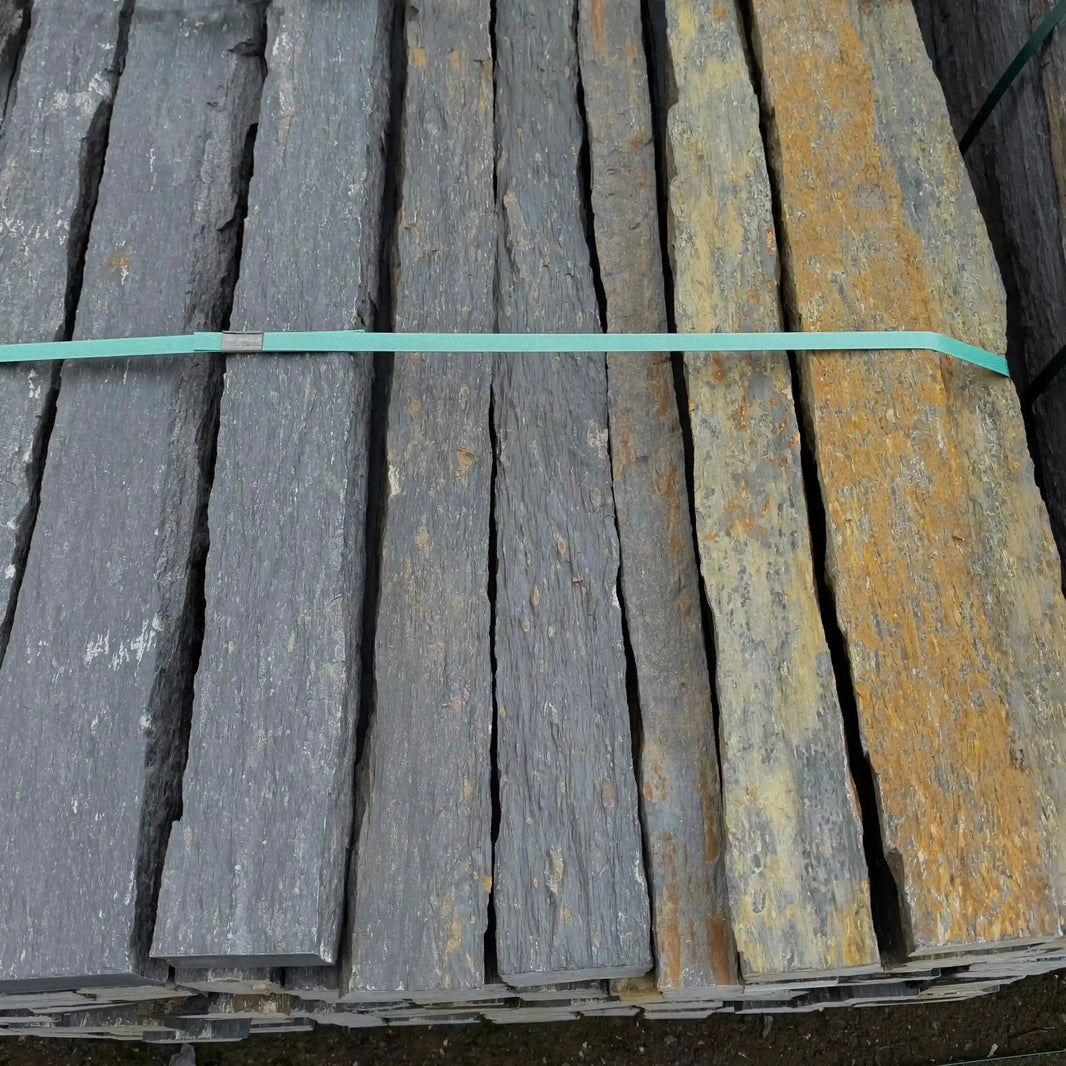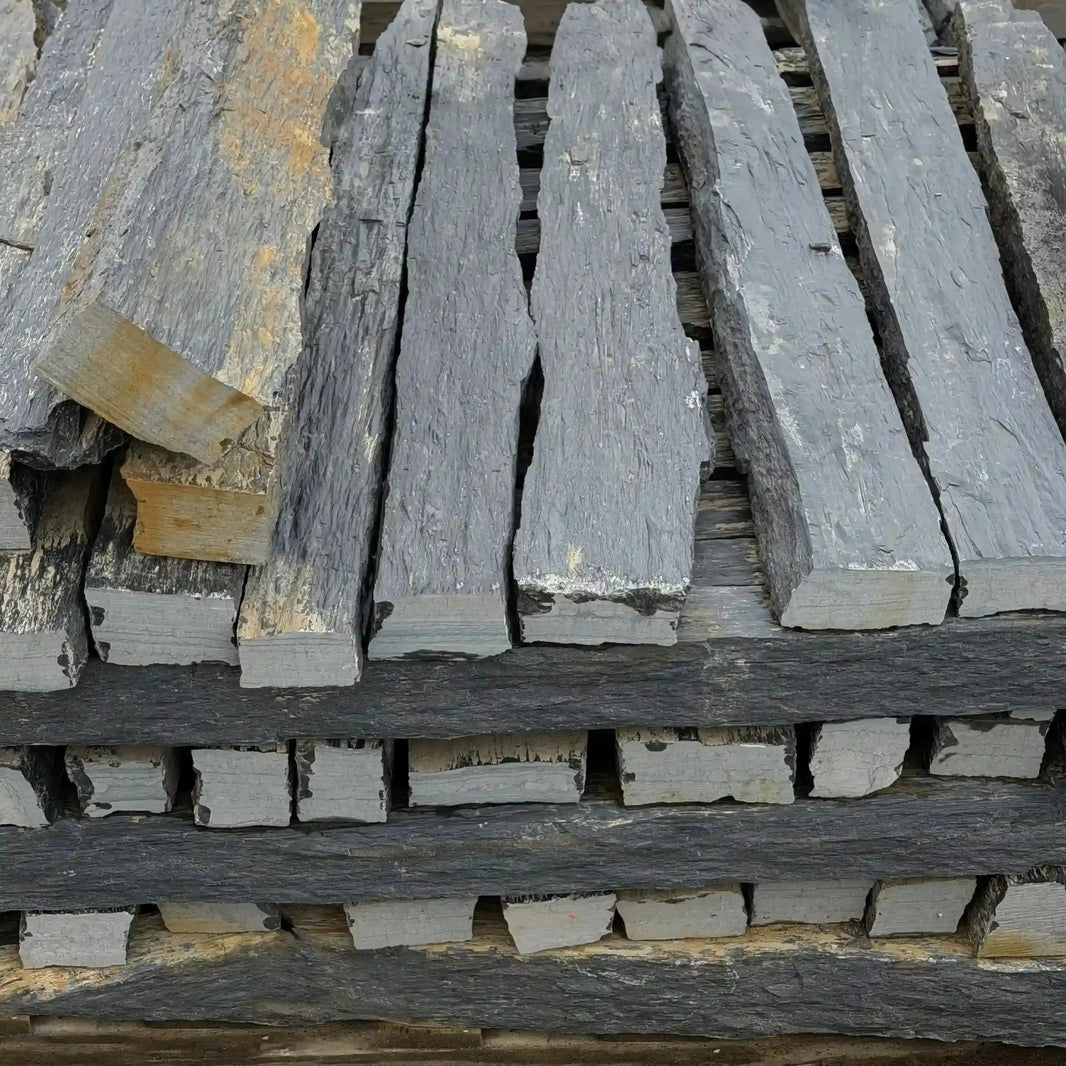
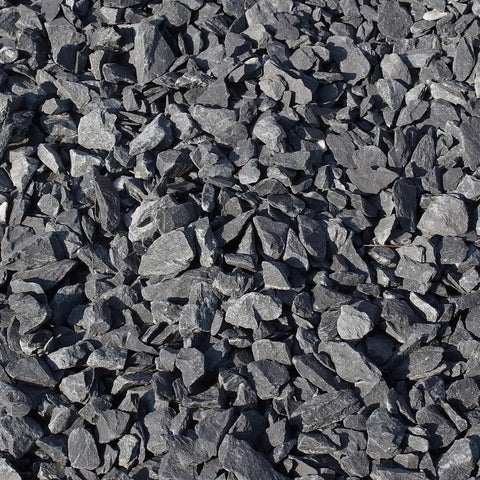
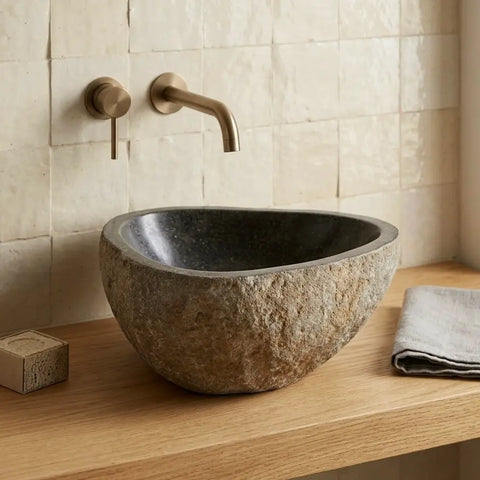

Grey border
Discover our grey natural stone edgings, perfect for structuring and modernizing your outdoor spaces. They bring style, simplicity and robustness to your paths, flowerbeds and landscaped areas.
-
Border
BLACK SLATE AZUL Slate Edging
4.62 / 5.0
(8) 8 total reviews
Regular price 4,50€ /piece4,50€ /piece Sale priceUnit price /piece / per -
Border
Galician Slate Edging
4.78 / 5.0
(9) 9 total reviews
Regular price From 8,90€ /pieceFrom 8,90€ /piece Sale priceUnit price /piece / per -
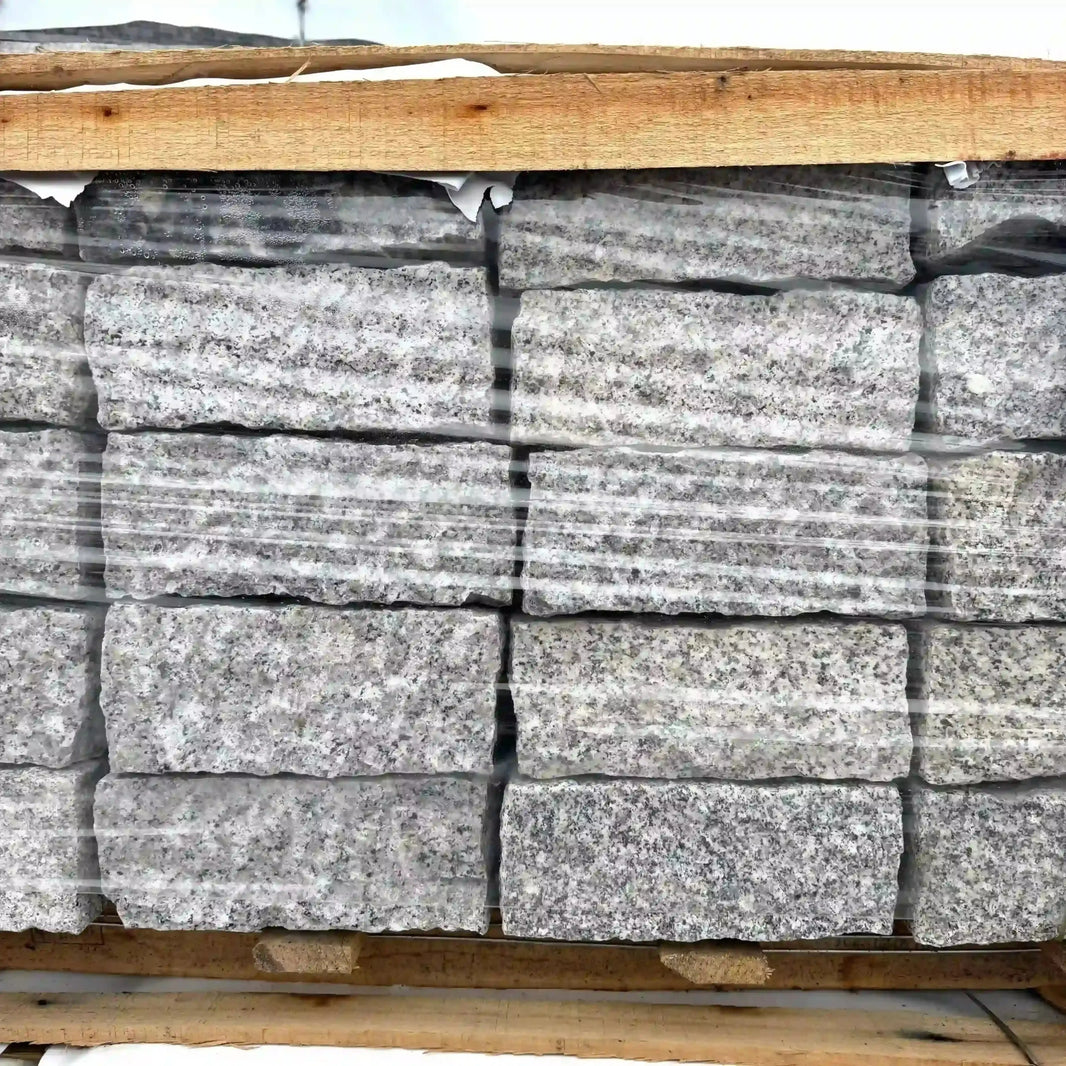
Border
KANDLA GREY Sandstone Edging
4.83 / 5.0
(6) 6 total reviews
Regular price 18,90€ /piece18,90€ /piece Sale priceUnit price /piece / per -
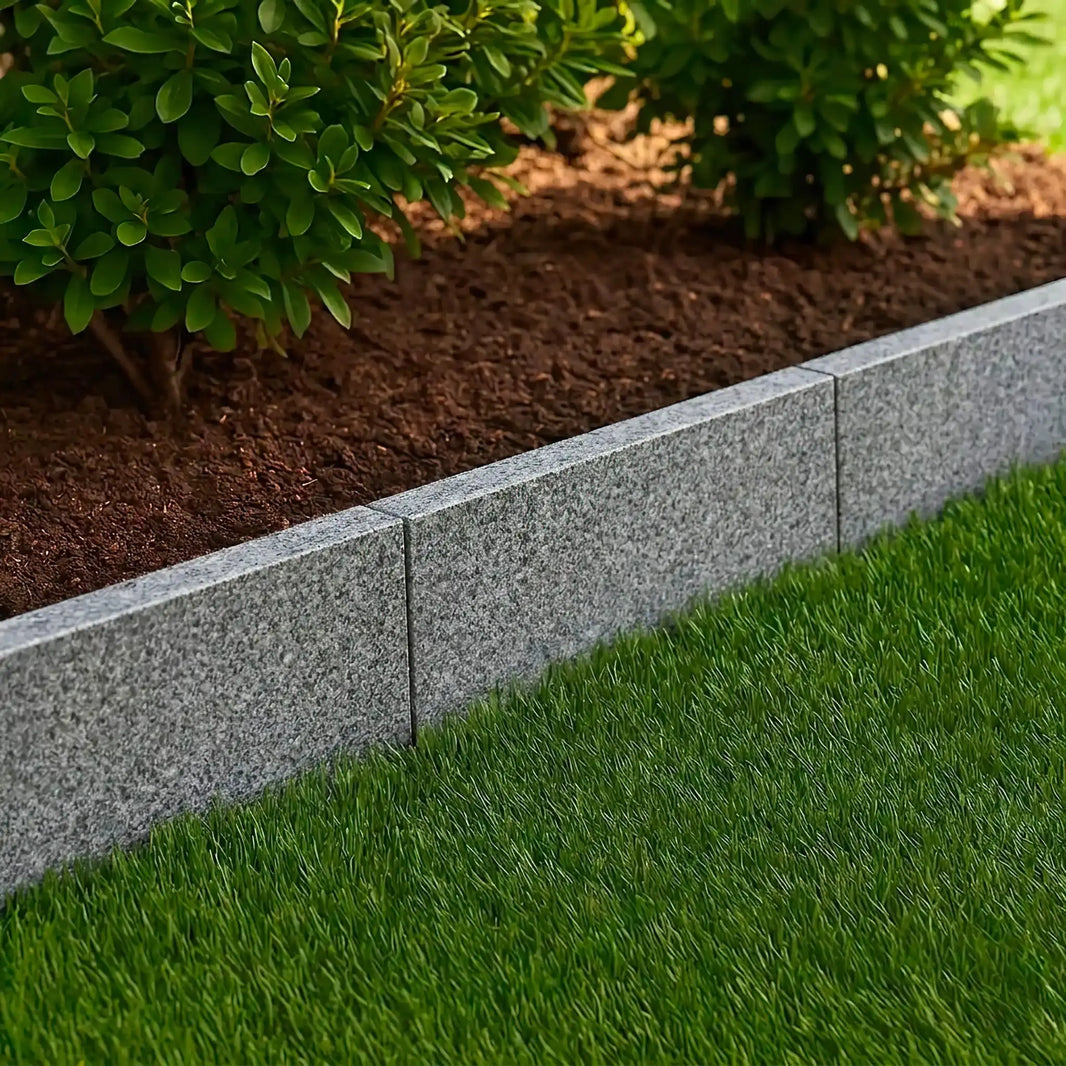
Mineral SelectionBorderPhyllite Edging
4.67 / 5.0
(6) 6 total reviews
Regular price 15,90€ /piece15,90€ /piece Sale priceUnit price /piece / per -
Border
BLUE STONE Edging
Regular price 27,90€ /piece27,90€ /piece Sale priceUnit price /piece / per -
Border
SILVERSAND Granite Edging
Regular price 19,50€ /piece19,50€ /piece Sale priceUnit price /piece / per -
Curb
SILVERSAND Granite Edging, Natural
5.0 / 5.0
(6) 6 total reviews
Regular price 39,50€ /piece39,50€ /piece Sale priceUnit price /piece / per -
Border
KURU DARK Granite Edging
Regular price 22,50€ /piece22,50€ /piece Sale priceUnit price /piece / per -
Border
LUNA GREY Limestone Edging
Regular price 41,50€ /piece41,50€ /piece Sale priceUnit price /piece / per -
Border
SUPER BLACK Basalt Edging, Natural
Regular price 54,50€ /piece54,50€ /piece Sale priceUnit price /piece / per -
Border
KURU DARK Granite Edging, Natural
Regular price 46,90€ /piece46,90€ /piece Sale priceUnit price /piece / per -
Sold outBorder
SUPER BLACK Basalt Edging
5.0 / 5.0
(7) 7 total reviews
Regular price 25,50€ /piece25,50€ /piece Sale priceUnit price /piece / per
EVERYTHING YOU NEED TO KNOW ABOUT GREY GARDEN BORDERS
Looking to choose grey edging for your garden? Discover our answers to frequently asked questions about the materials, formats, uses, installation and maintenance of natural stone edging. Find the useful information to select the model suited to your outdoor landscaping.
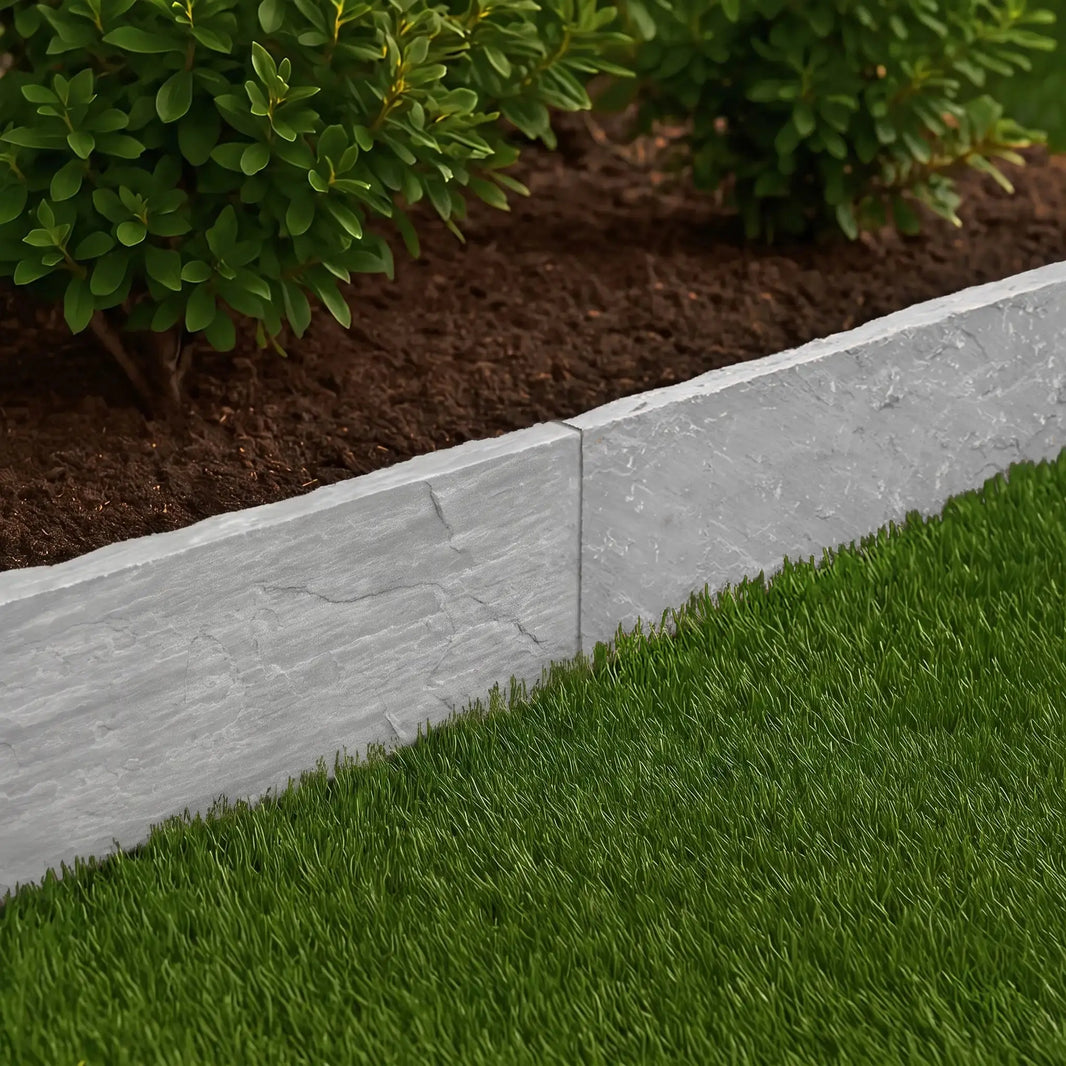
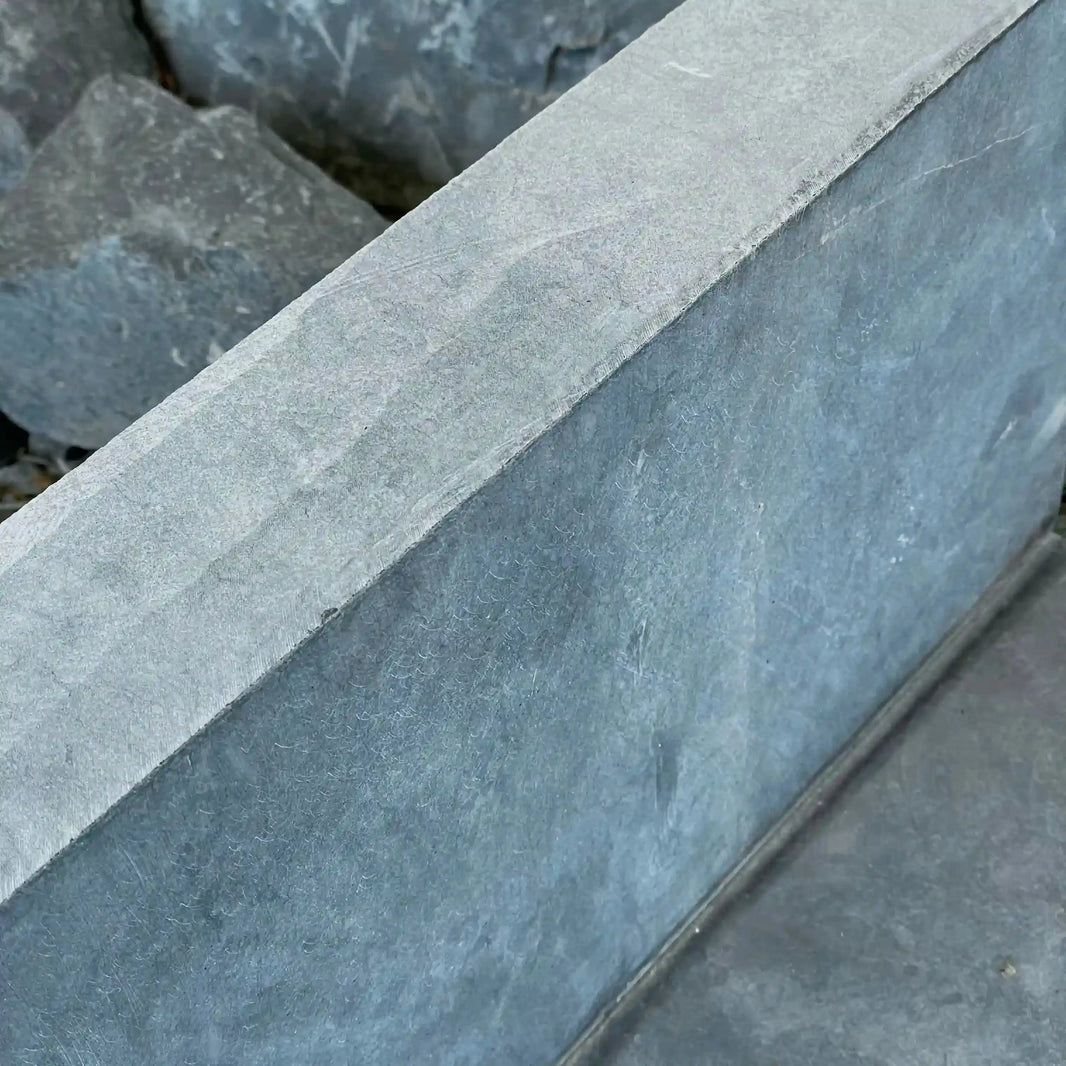
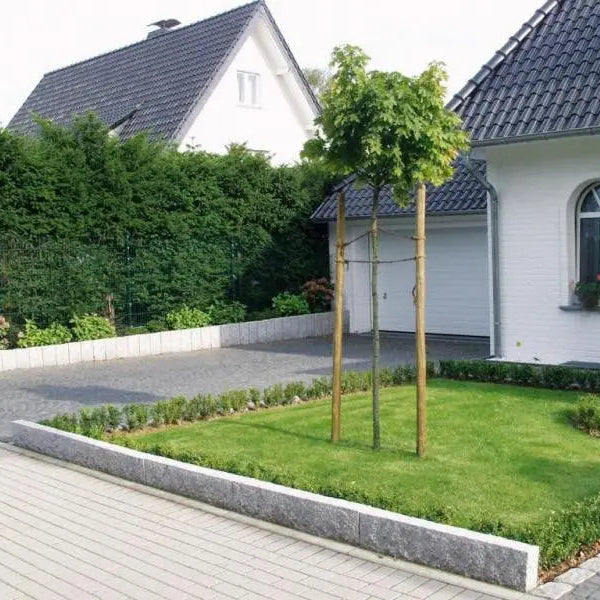
A gray edging makes it possible to delimit the different areas of a garden while giving a neat finish to outdoor landscaping. Made from natural stone, it stands out for its nuances, texture and mineral look. Depending on the rock chosen, the result can be light and discreet, or darker with a strong character.
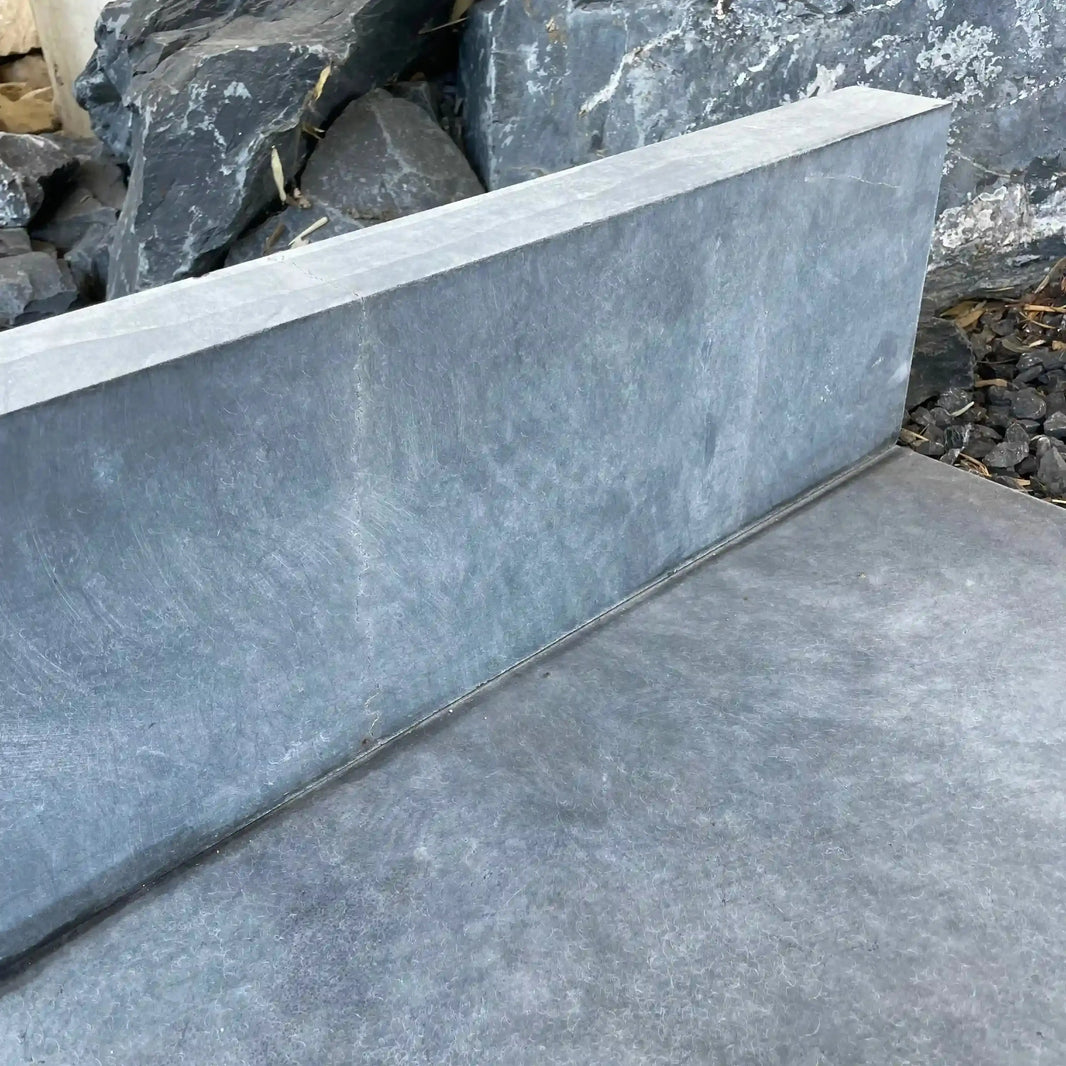
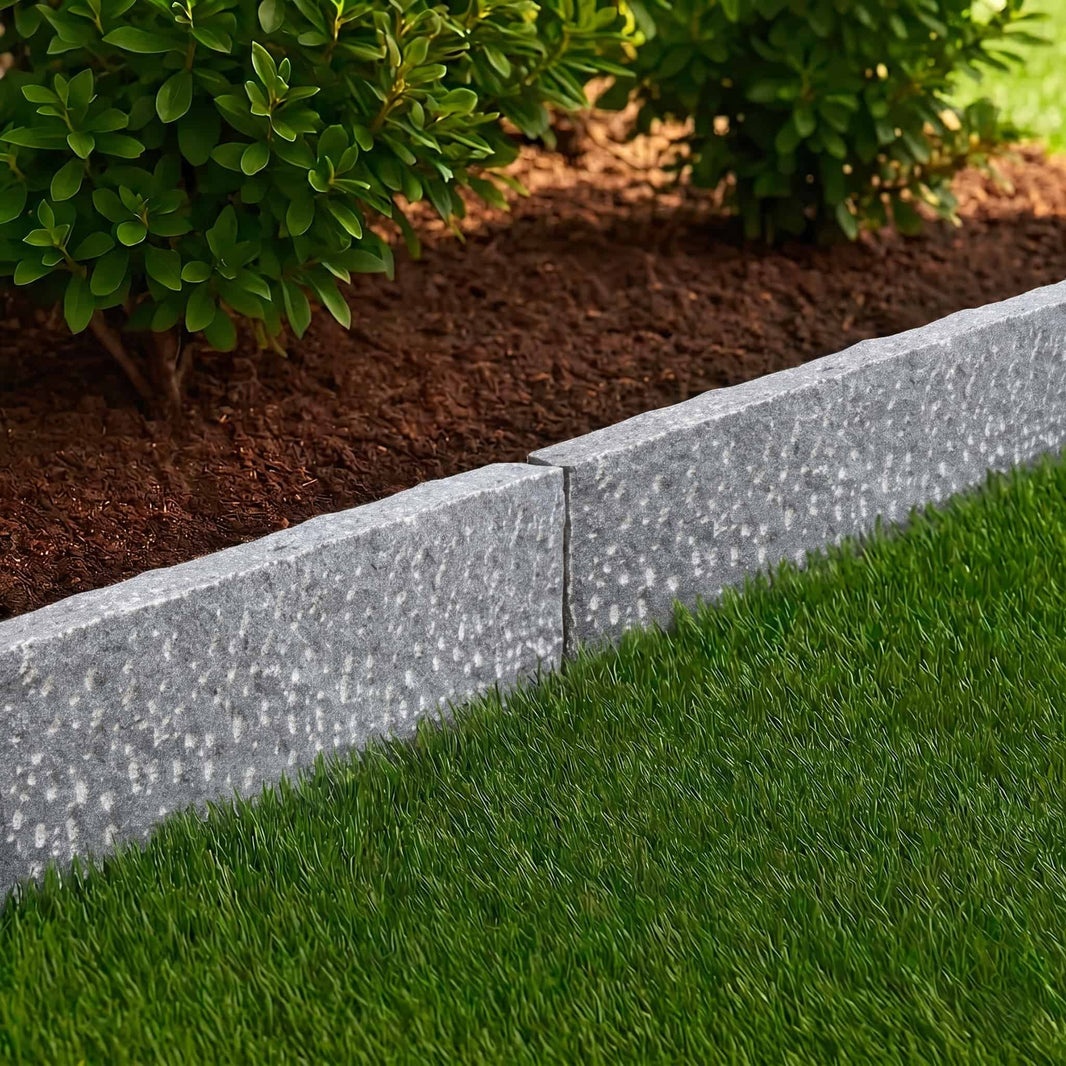
This type of edging finds its place around flower beds, along a path, at the foot of a terrace or to separate a lawn from a gravel area. The gray color blends easily with different materials, such as wood, concrete, gravel or stone slabs.
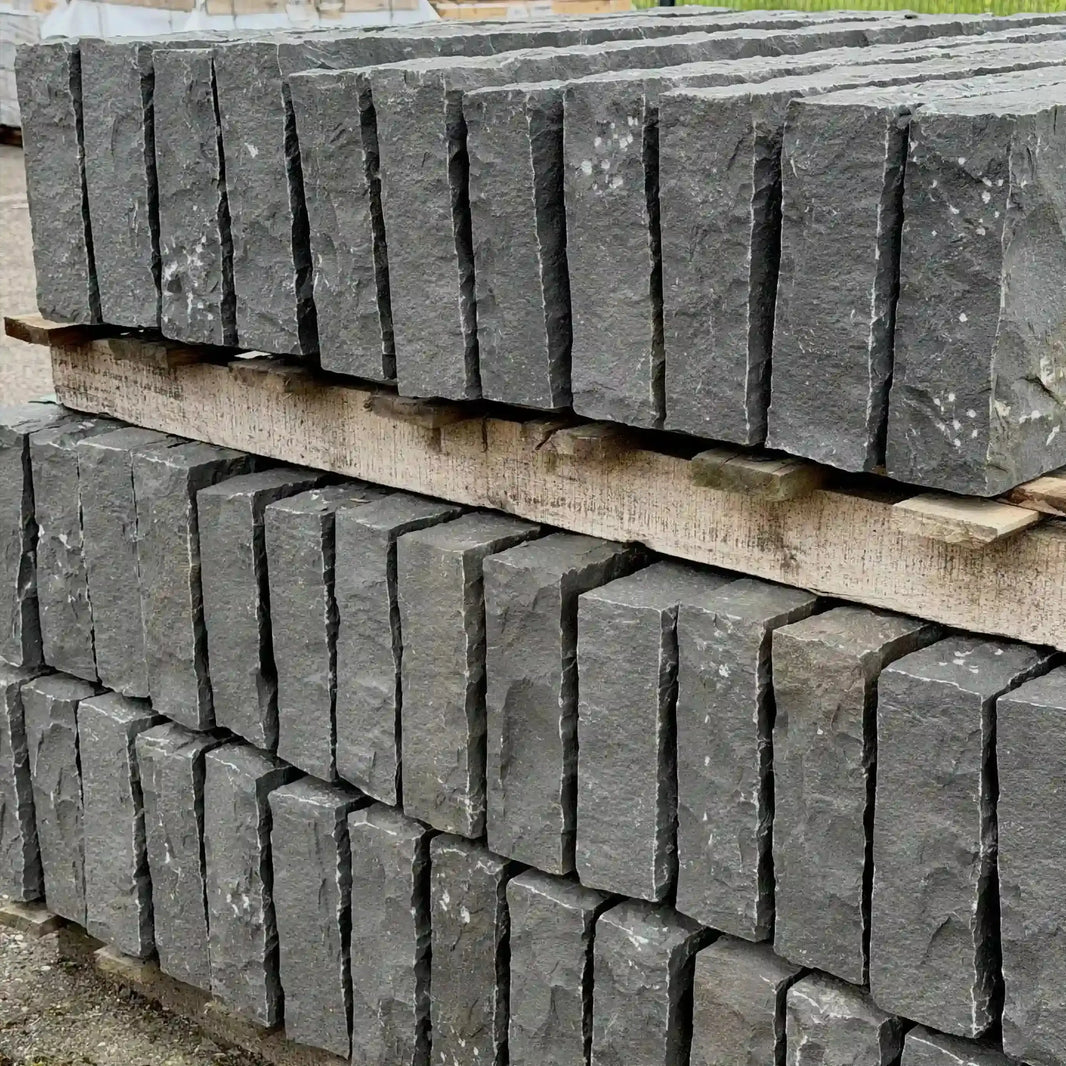
Several materials are available, notably granite, sandstone, schist, limestone or basalt. Each has its own finish and color characteristics. A natural stone edging is thus a durable solution
for structuring the garden and creating visual continuity with the other elements of the landscape.
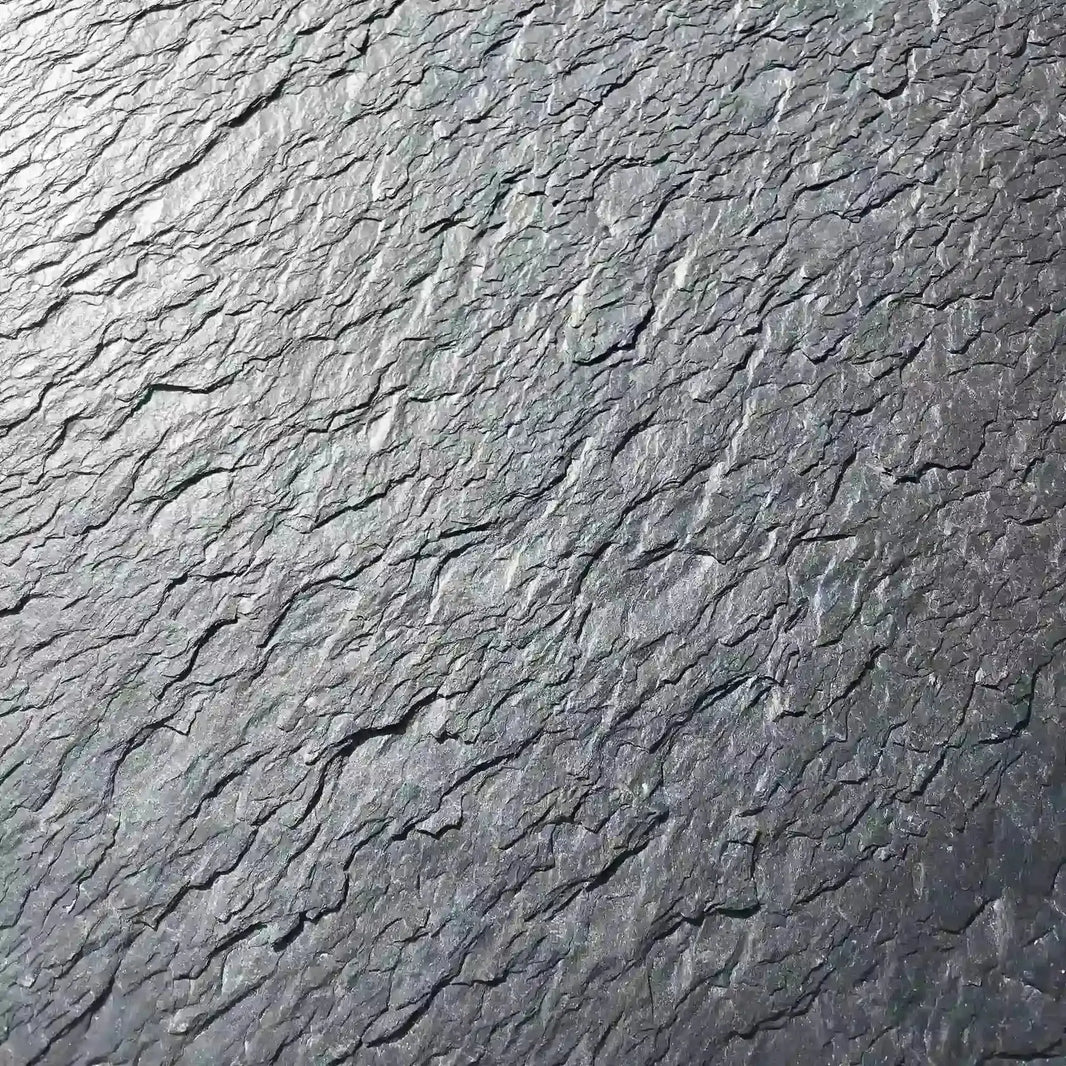
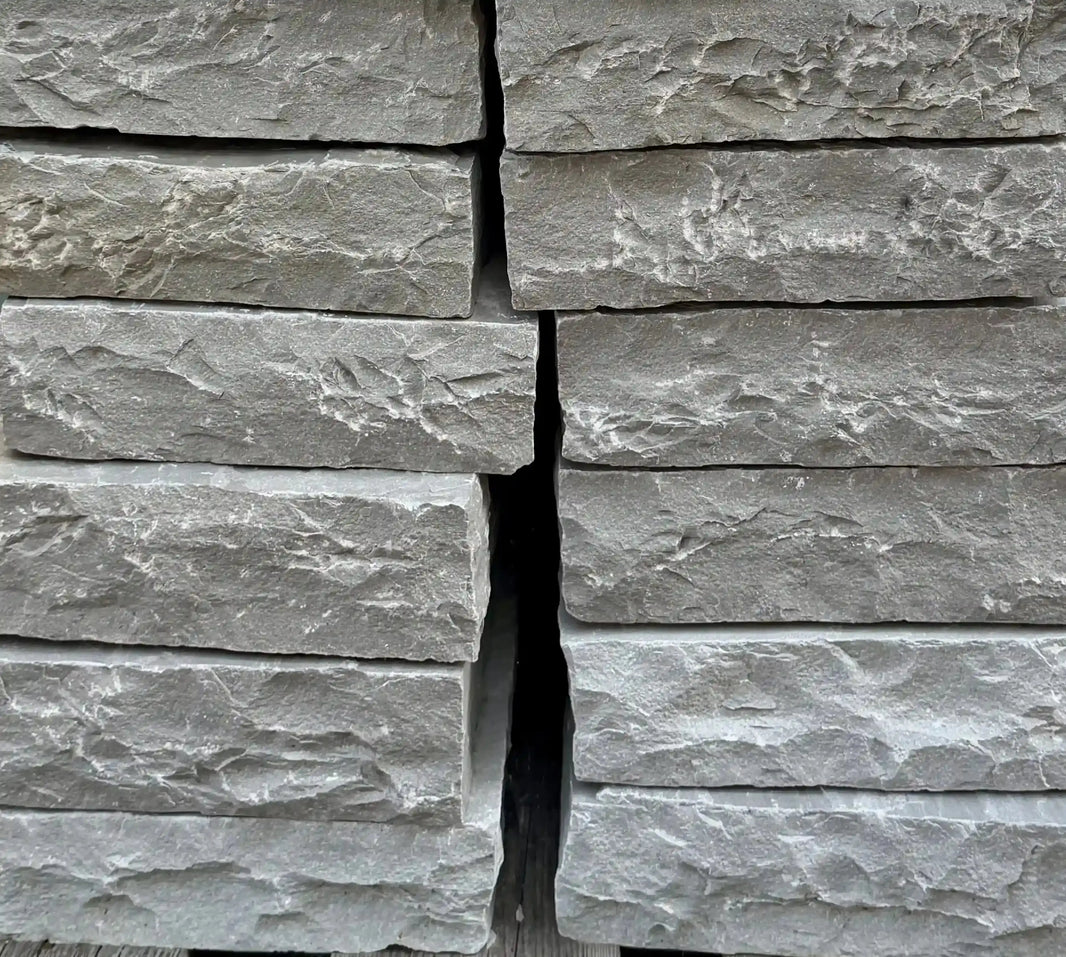
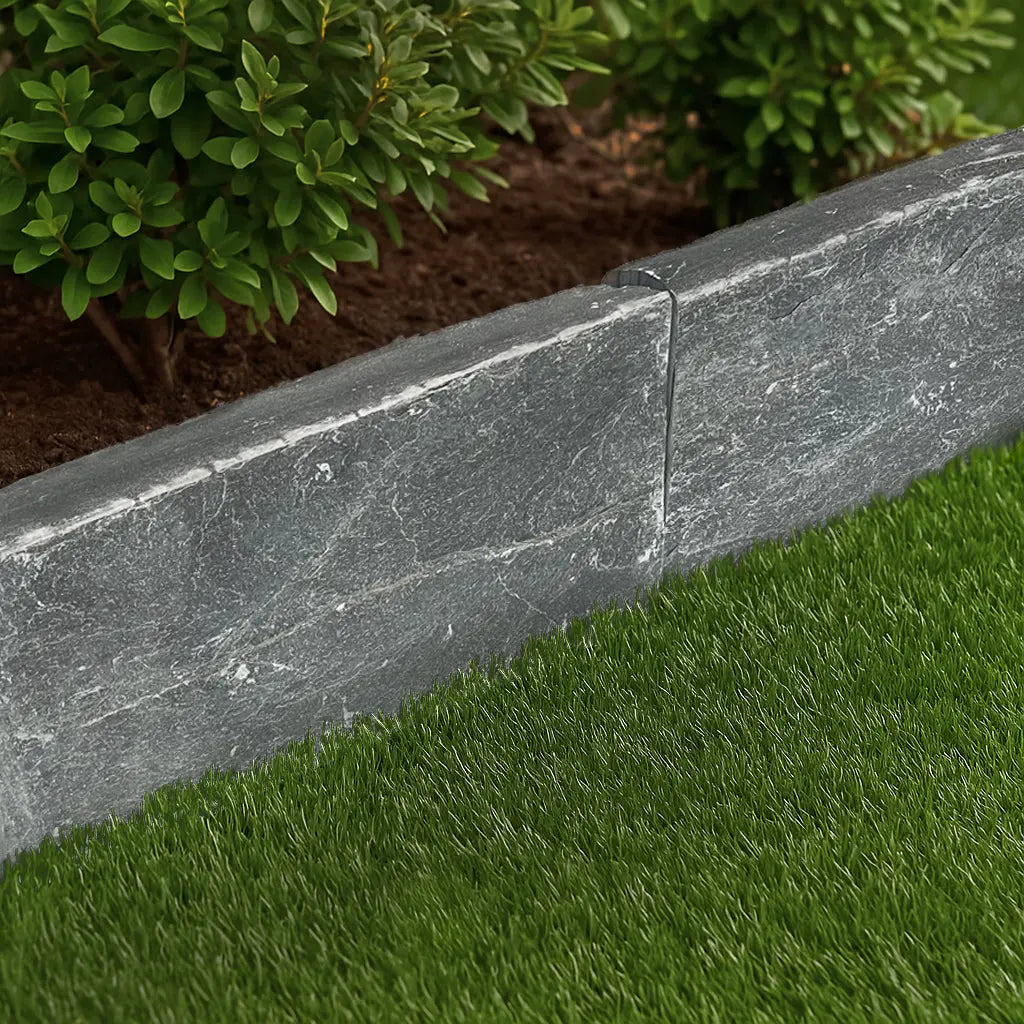
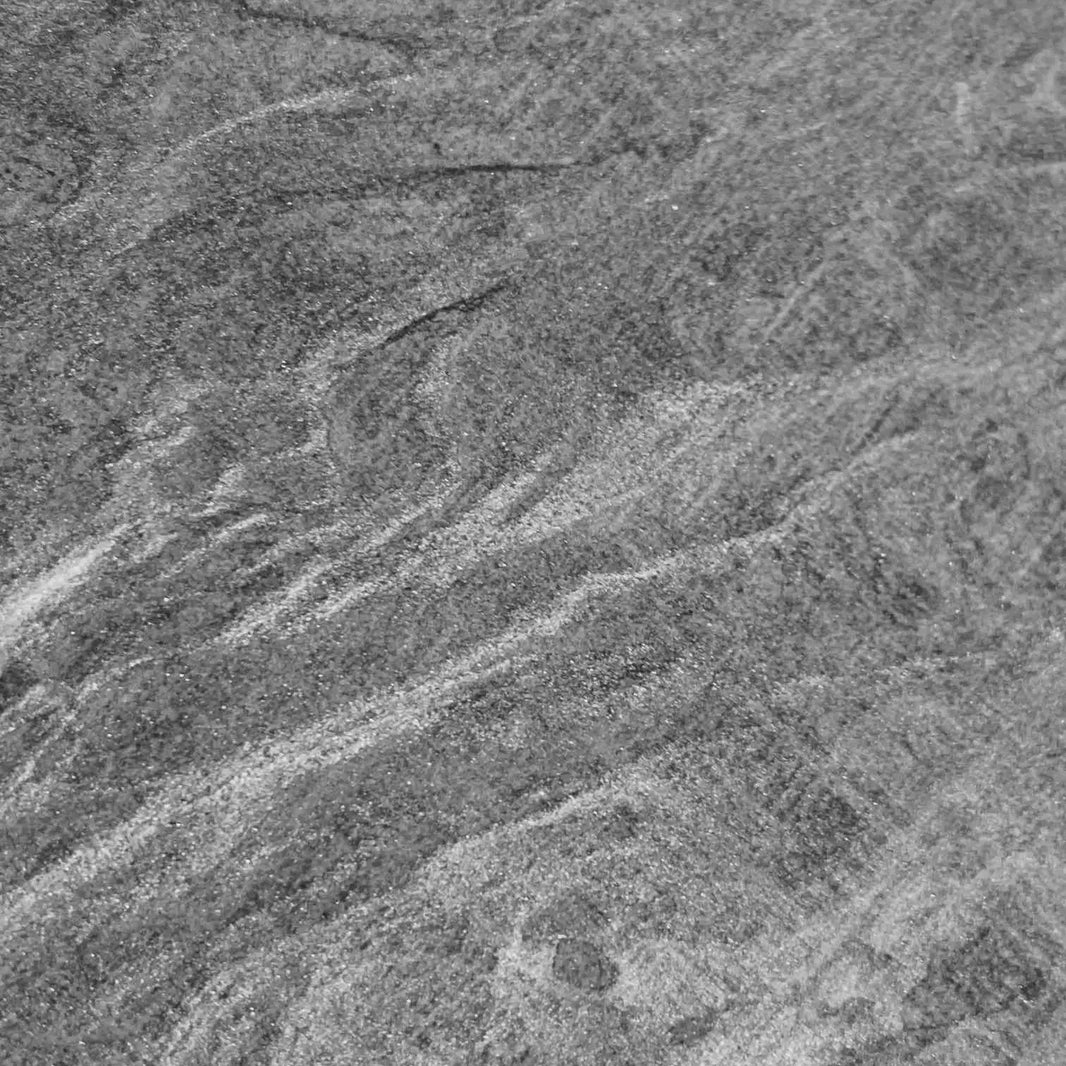
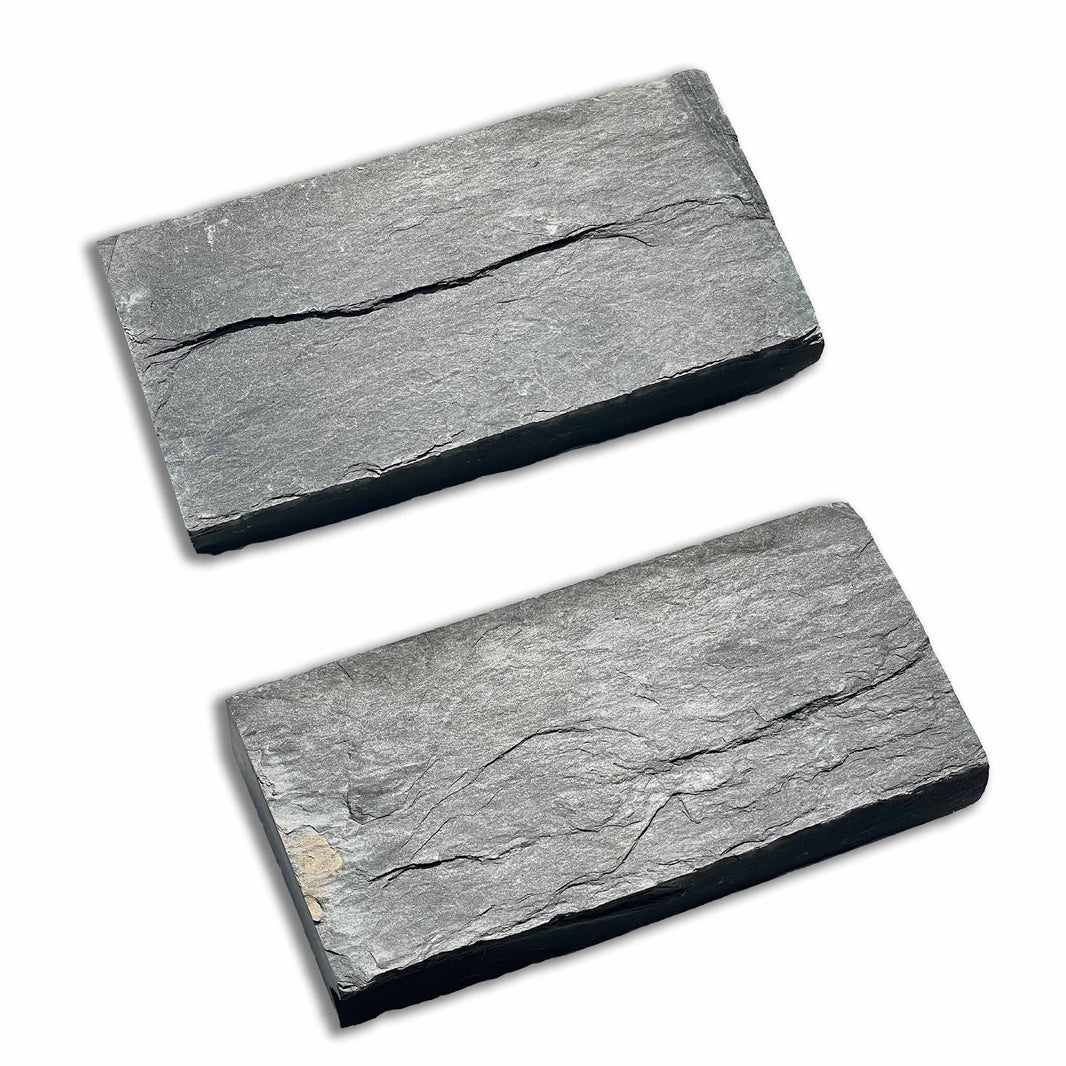
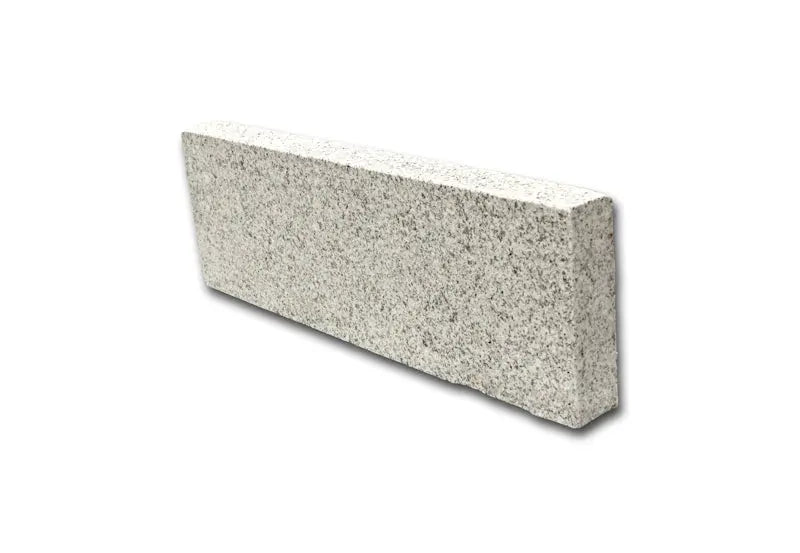
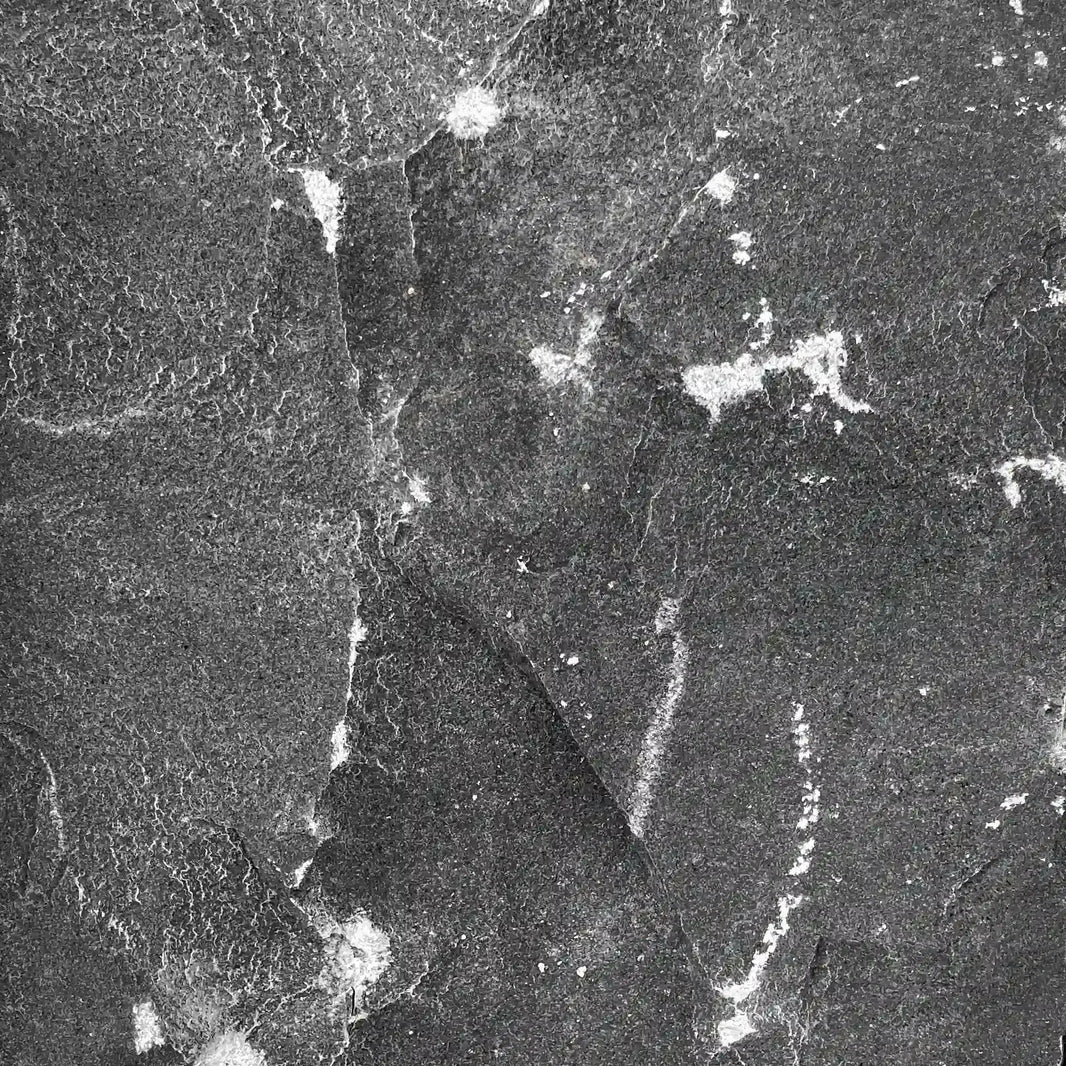
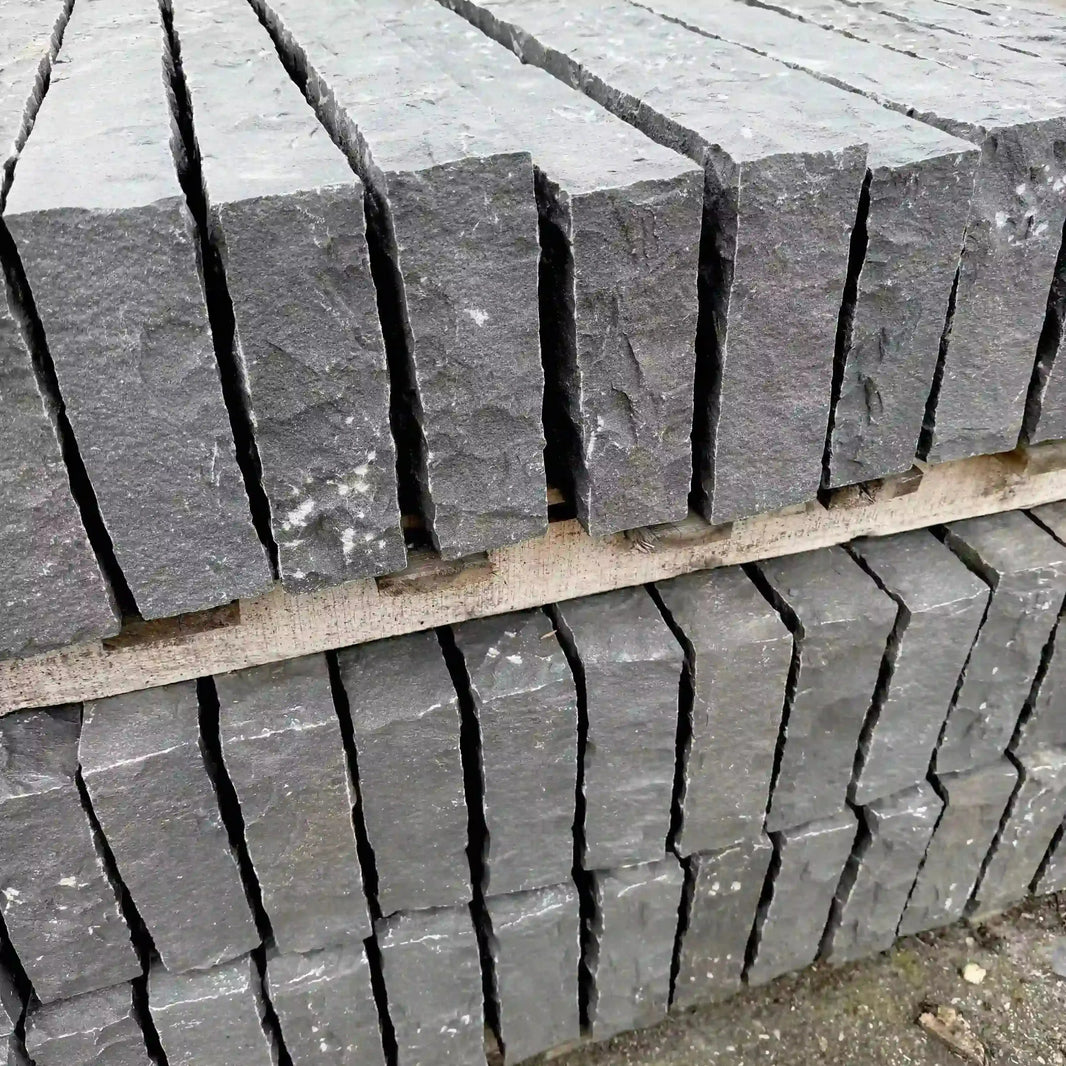
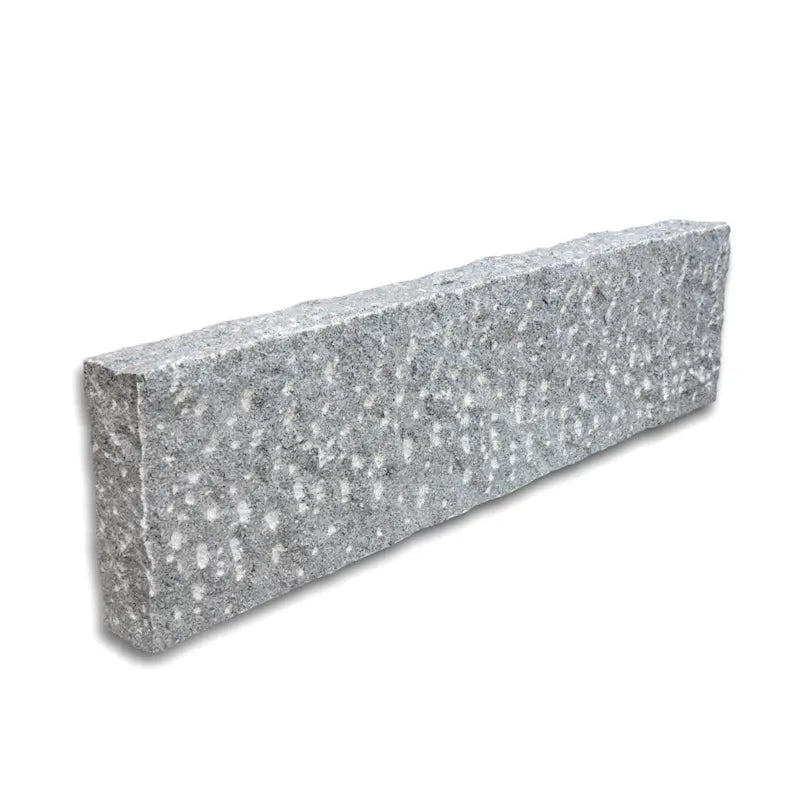
The choice of a gray border mainly depends on the color sought, the texture of the stone and the style of your outdoor space. Granite has a mineral look often dotted with small grains and even nuances. Schist and slate offer more pronounced surfaces, with a natural look and sometimes bluish reflections. Gray limestone, for its part, can bring a softer, more uniform appearance.
For a contemporary landscape, a dark stone can create contrast with a lawn or plantings. A light gray shade instead helps underline the contours of the garden without drawing the eye excessively. Finishes also influence the result: a cleft surface retains a natural relief, while a chiseled or worked finish gives a different look.
Among the available products, you can discover the LUNA GREY limestone edging, the KURU DARK granite edging or the BLACK SLATE AZUL schist edging. Compare the photos and characteristics to select the material suited to your project.
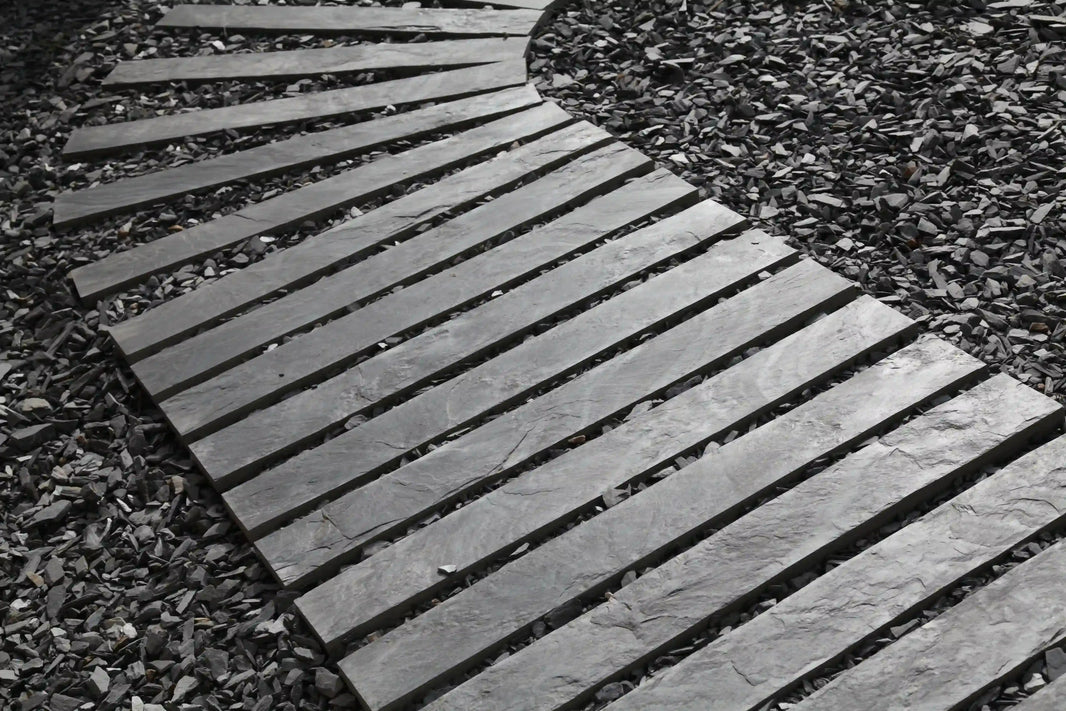
Gray borders can be installed in many outdoor spaces. They are notably used to separate a lawn from a flower bed, to keep the limits of a gravel area, or to underline the layout of a path. They also make it possible to delimit the contours of a terrace and to give a clean finish to the different surfaces.
In a landscaped garden, a stone border provides a visual transition between plants and mineral surfaces. It can accompany plantings, frame a path or highlight a composition of decorative gravel. Gray goes well with green foliage, colorful flowers and materials in natural tones.
For a harmonious result, it is advisable to take into account the dimensions of the border, its finish and the other elements already present. A stone with regular lines will suit a well-defined separation, while a rougher look will blend into a landscape with an authentic style.
Borders can also be used to organize the spaces around an entrance or a pedestrian passage. Their function is as practical as it is aesthetic: they make boundaries visible and help structure the whole garden.
The dimensions of a grey edging must be suited to its location and the desired effect. To delimit a small bed or planting area, a discreet format may be enough. On the other hand, to structure a larger space or retain a limited difference in level, a taller or thicker edging may be considered, depending on the characteristics of the product and the constraints of the terrain.
The length of the pieces also influences installation. Long elements make it possible to create a more continuous visual line, whereas shorter formats can be useful for following curves or making adjustments. It is important to check the exact dimensions given on each product page before calculating the quantities required.
Remember to measure the linear length to be covered and to allow a few extra pieces for cuts and possible adaptations. The type of ground and the stability sought must also be taken into account during preparation.
Finally, the choice of format depends on the style of your landscaping. A thin edging can be discreet, whereas a more massive element becomes a real component of the outdoor decor. Consult the technical information to compare the available models and choose the one that suits your garden.
Laying a grey edging starts with preparing the ground. First mark out its position using a string line or a suitable marker, then dig a trench wide and deep enough to accommodate the elements. The depth depends in particular on the height of the edging, the nature of the soil and the desired stability.
A stable, level base is essential to obtain a regular alignment. Depending on the model and the intended use, the edging can be installed on a bed of stabilised sand, a suitable substrate or a concrete base. The elements are then positioned gradually, checking their height and alignment as you go.
To follow a curved line, you need to anticipate changes of direction and any cuts. Once laying is complete, the spaces around the edgings are filled in and the ground is restored.
The method may vary depending on the material, the format and the constraints of the garden. For a durable installation, it is therefore important to consult the recommendations for the chosen product and to provide a substrate suited to the layout of the ground.
Maintaining a grey natural stone edging is generally simple. Regular cleaning removes leaves, soil and deposits that can build up over the seasons. In most cases, clean water and a soft brush are enough to remove common dirt.
It is best to avoid overly aggressive products, notably acidic cleaners that can damage certain limestones. The choice of maintenance product must always take into account the nature of the rock and its finish. For more stubborn dirt, use a solution suited to natural stone and follow the manufacturer's instructions.
Over time, edgings can show colour variations caused by weather, humidity or the surrounding vegetation. These changes sometimes contribute to the natural patina of the material. Gentle cleaning keeps a tidy appearance without trying to artificially even out each piece.
Finally, check the stability of the elements from time to time, particularly after heavy rain or periods of frost. Suitable maintenance helps preserve the look and function of the edgings while limiting major interventions over the years.