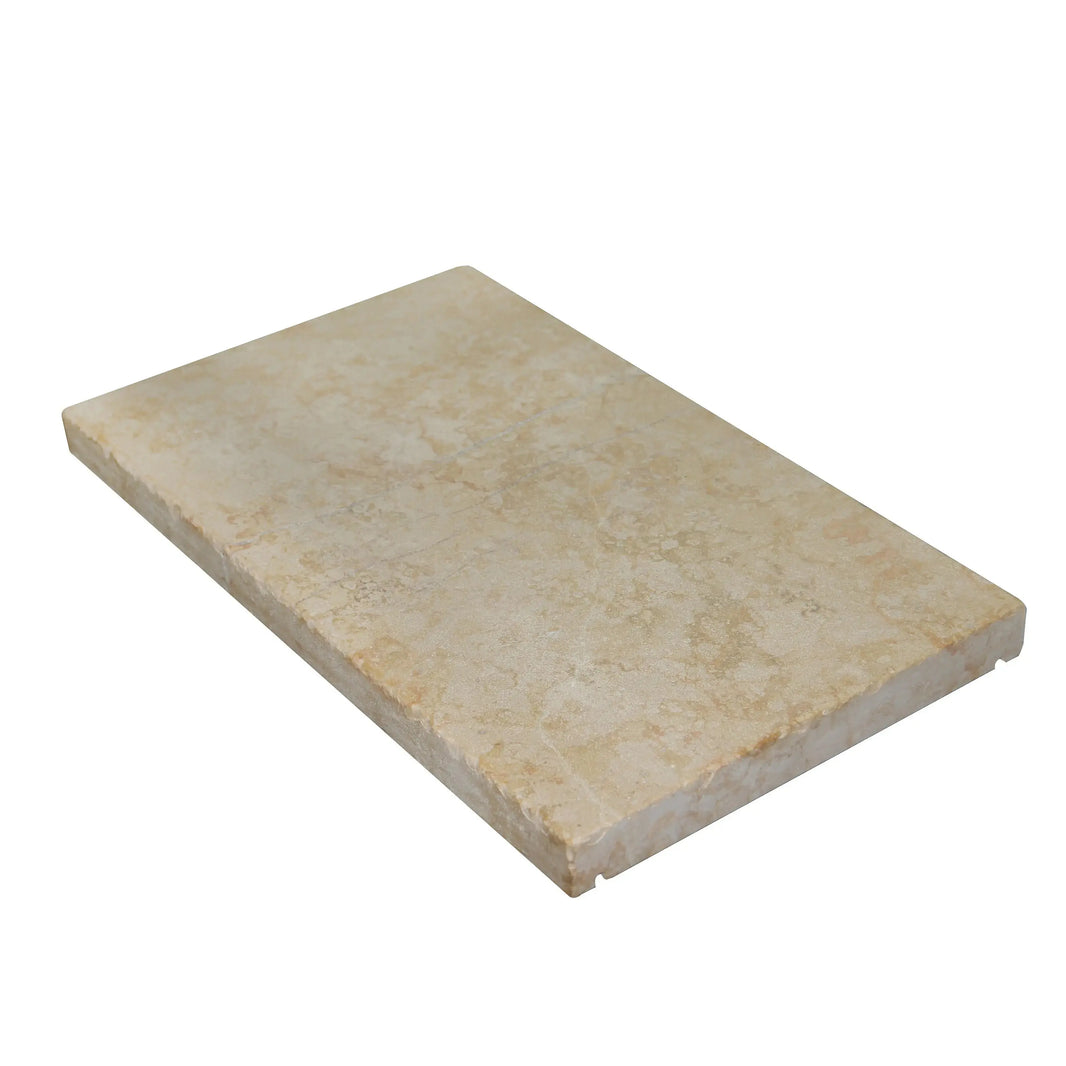

Comblanchien stone

Comblanchien stone is a limestone extracted in Burgundy-Franche-Comté, renowned for its natural beige hue and high resistance. Ideal for tiling, paving, or patios, it is suitable for all indoor and outdoor uses.

This page presents references in COMBLANCHIEN, as well as natural stone alternatives with similar shades and uses, available immediately in stock.

Comblanchien stone: a natural stone from Burgundy-Franche-Comté for sustainable developments

From the quarries of Burgundy-Franche-Comté, Comblanchien stone is a renowned limestone, long used in French architecture for its aesthetic qualities and resistance. It can be found in numerous ancient works, where its natural beige hue and homogeneous structure have stood the test of time.

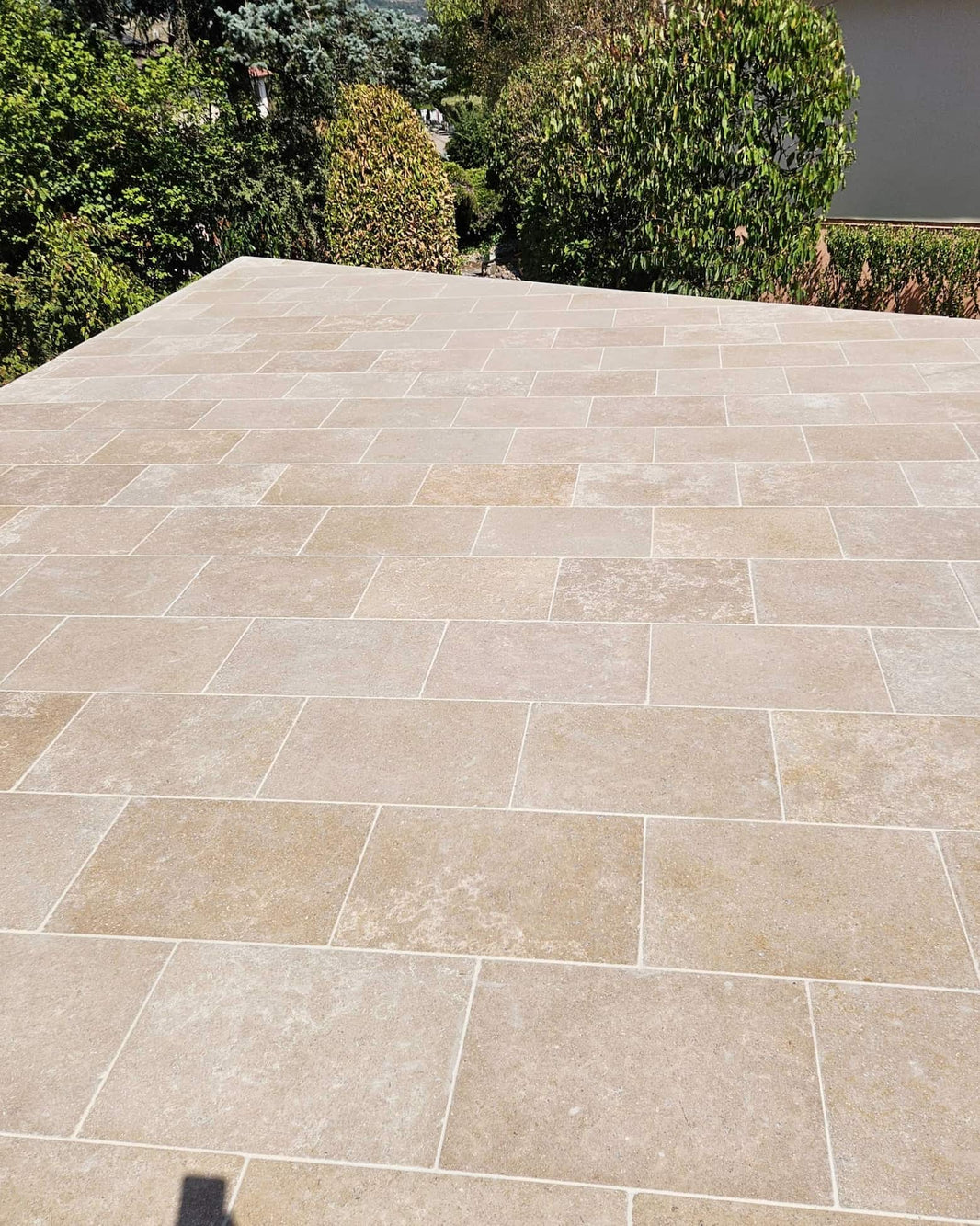
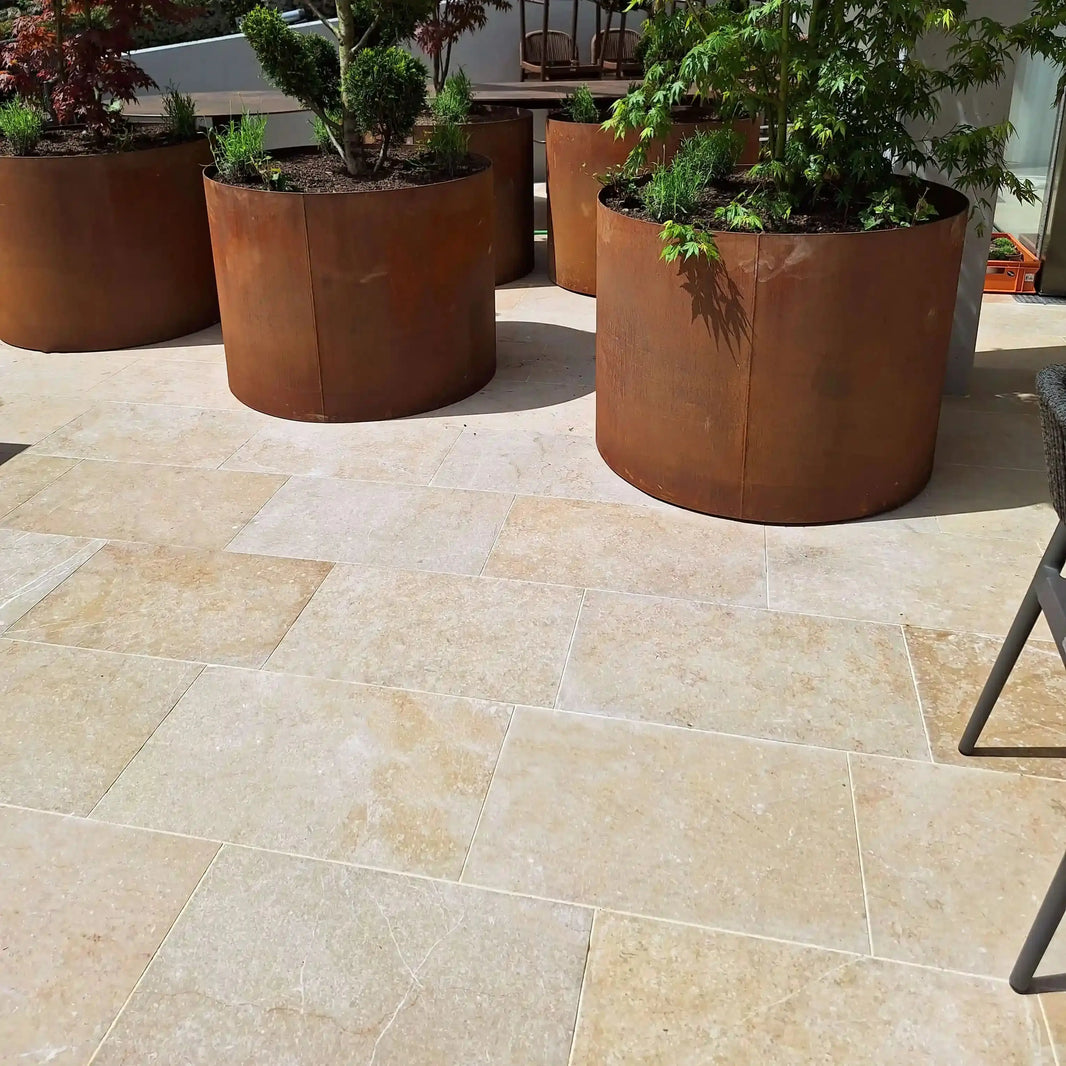
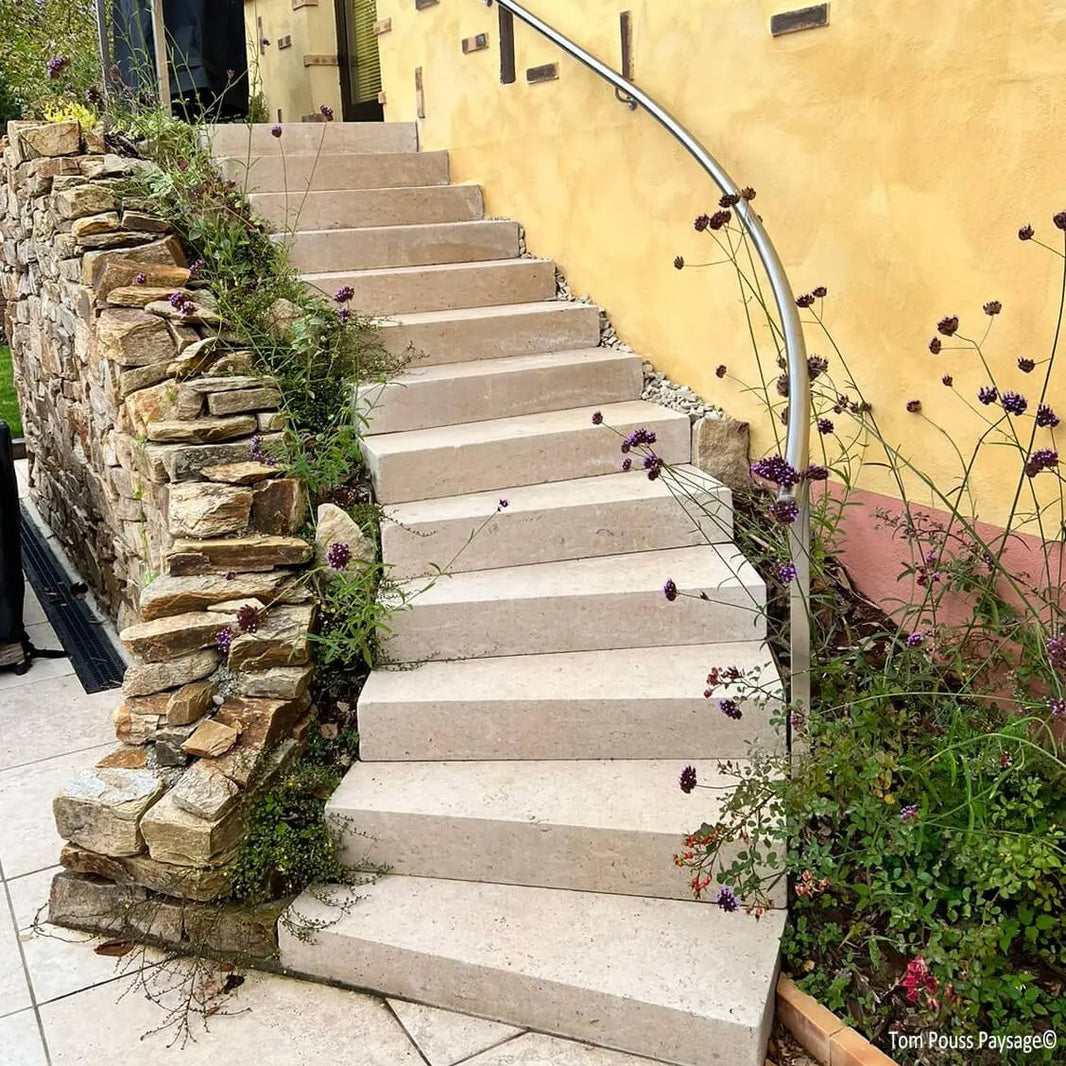
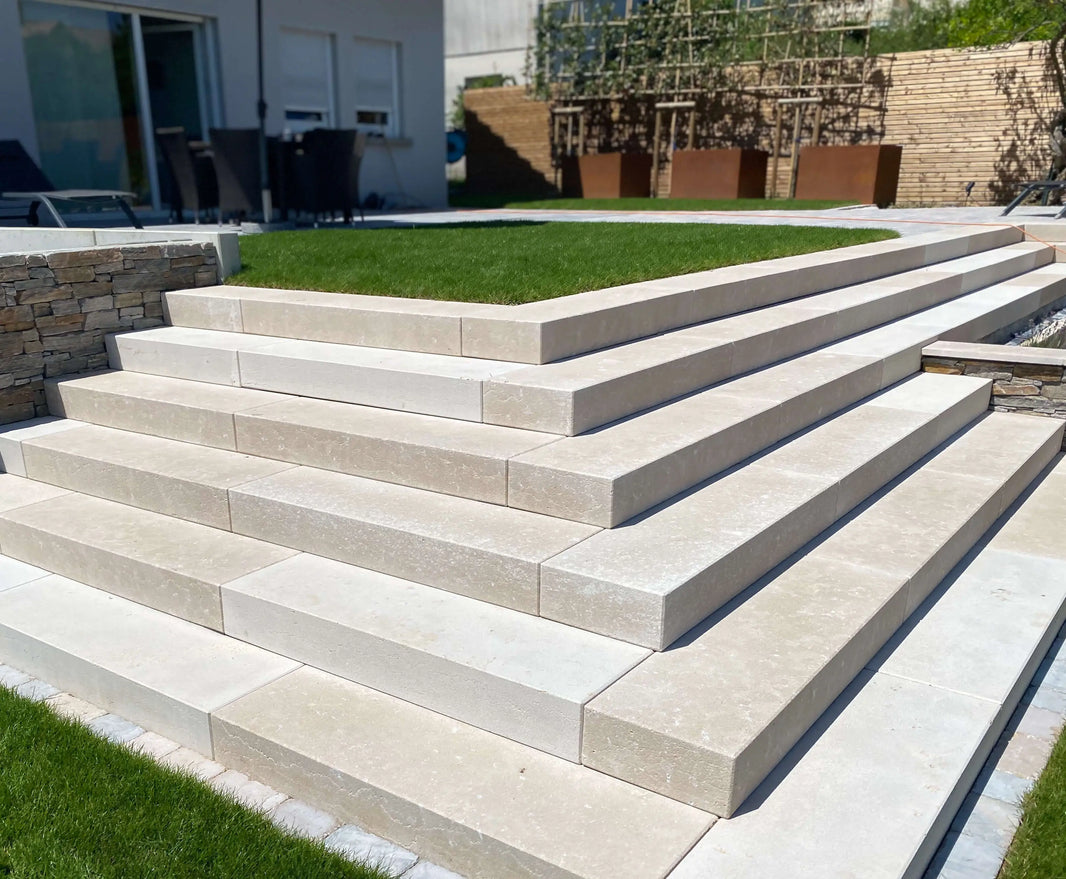
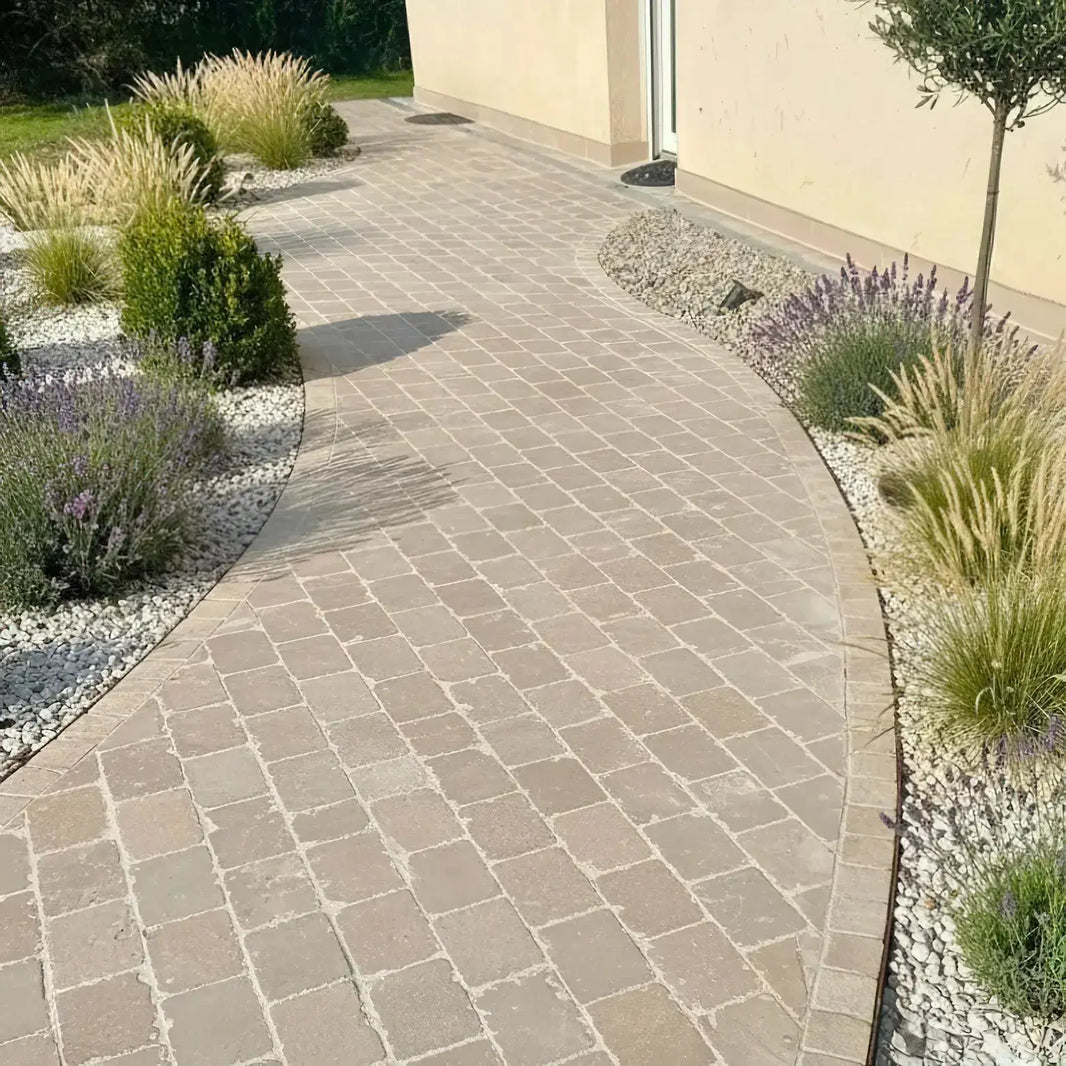
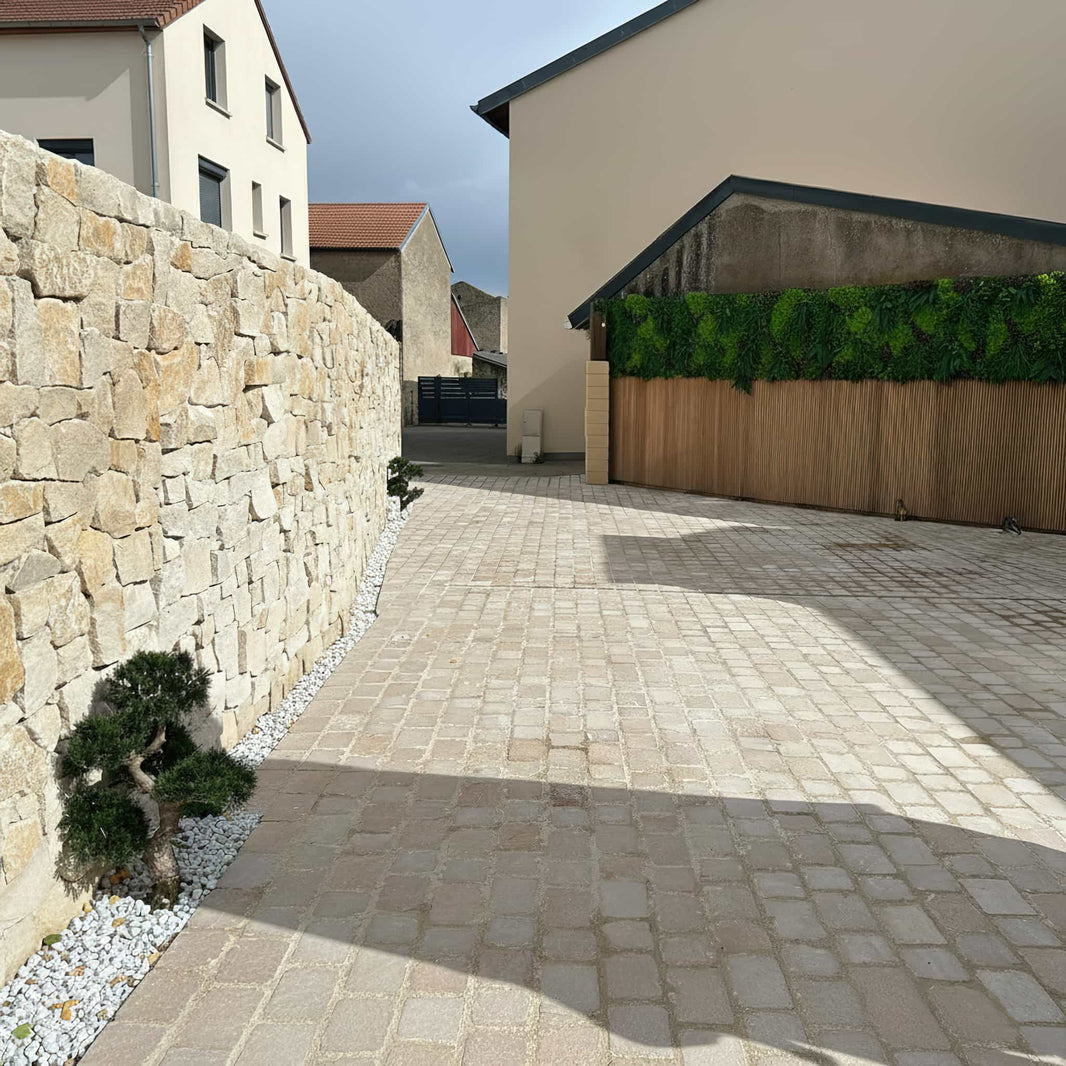
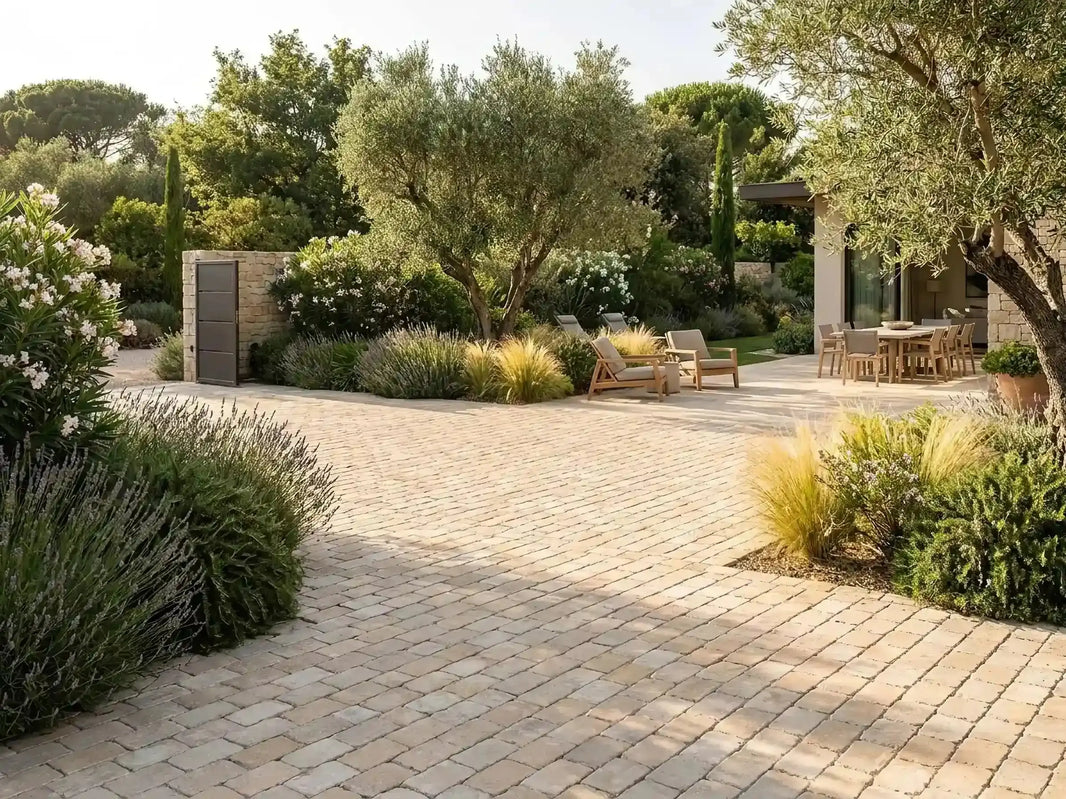
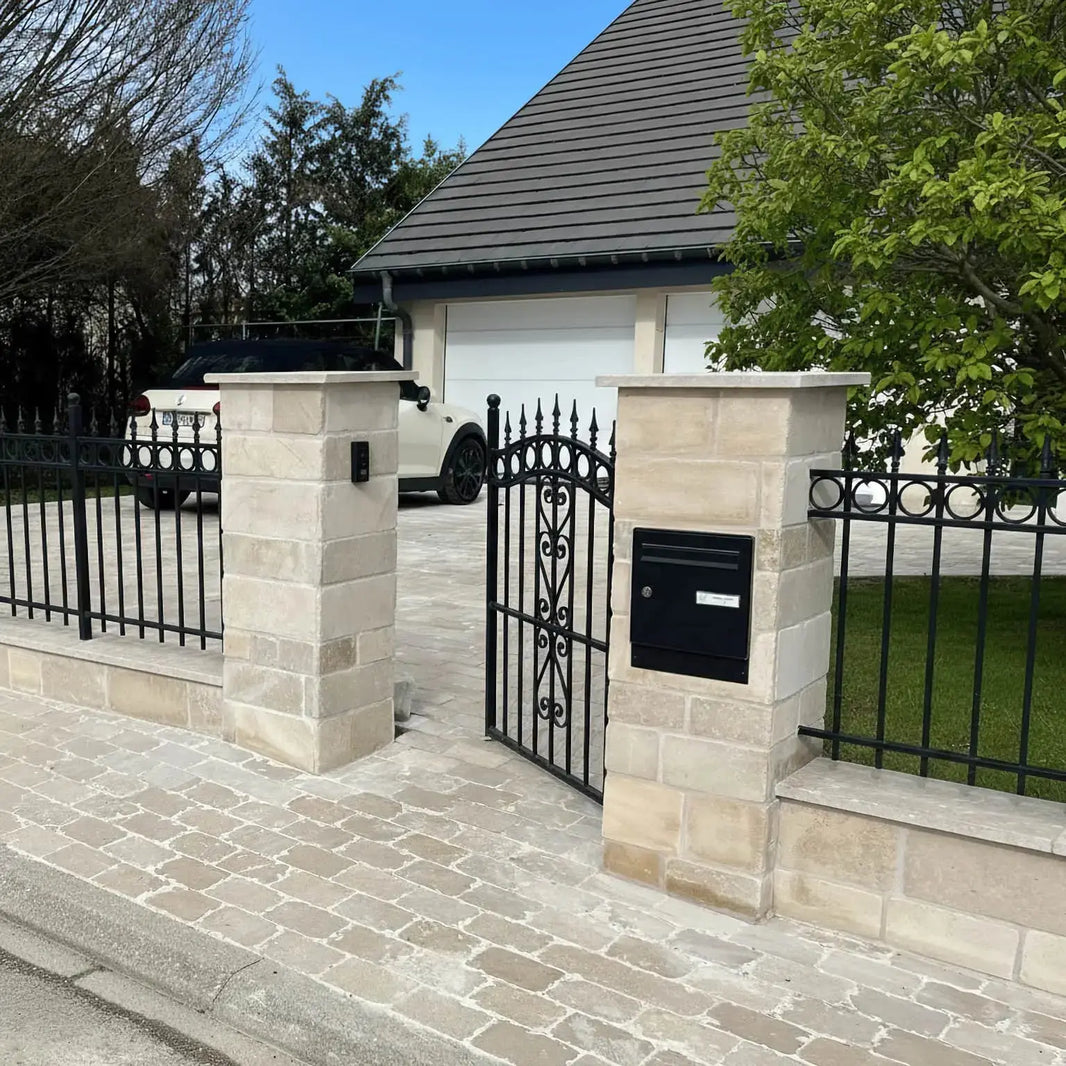
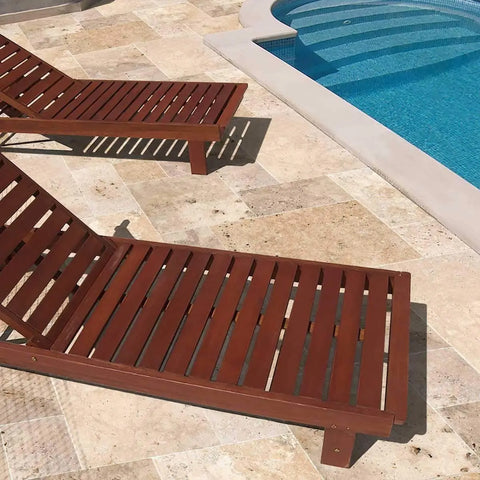
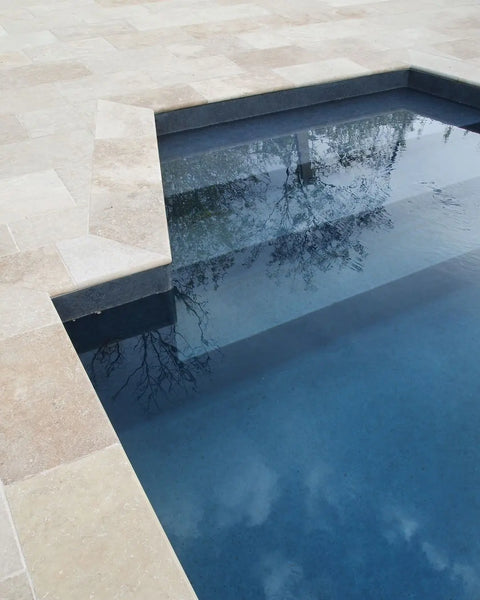
Used for paving, indoor flooring, or outdoor landscaping, it is equally suitable for terraces, pool surrounds, and stairs, thanks to its density and good resistance to climatic conditions.

Even today, Comblanchien stone is appreciated for its simple and elegant appearance, as well as its ability to integrate into both contemporary projects and more traditional environments.

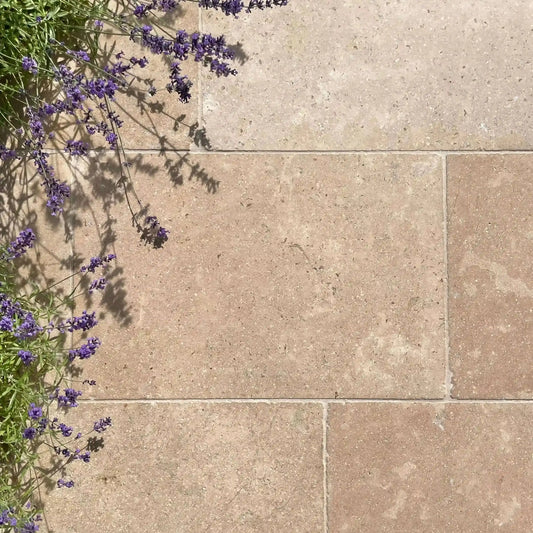
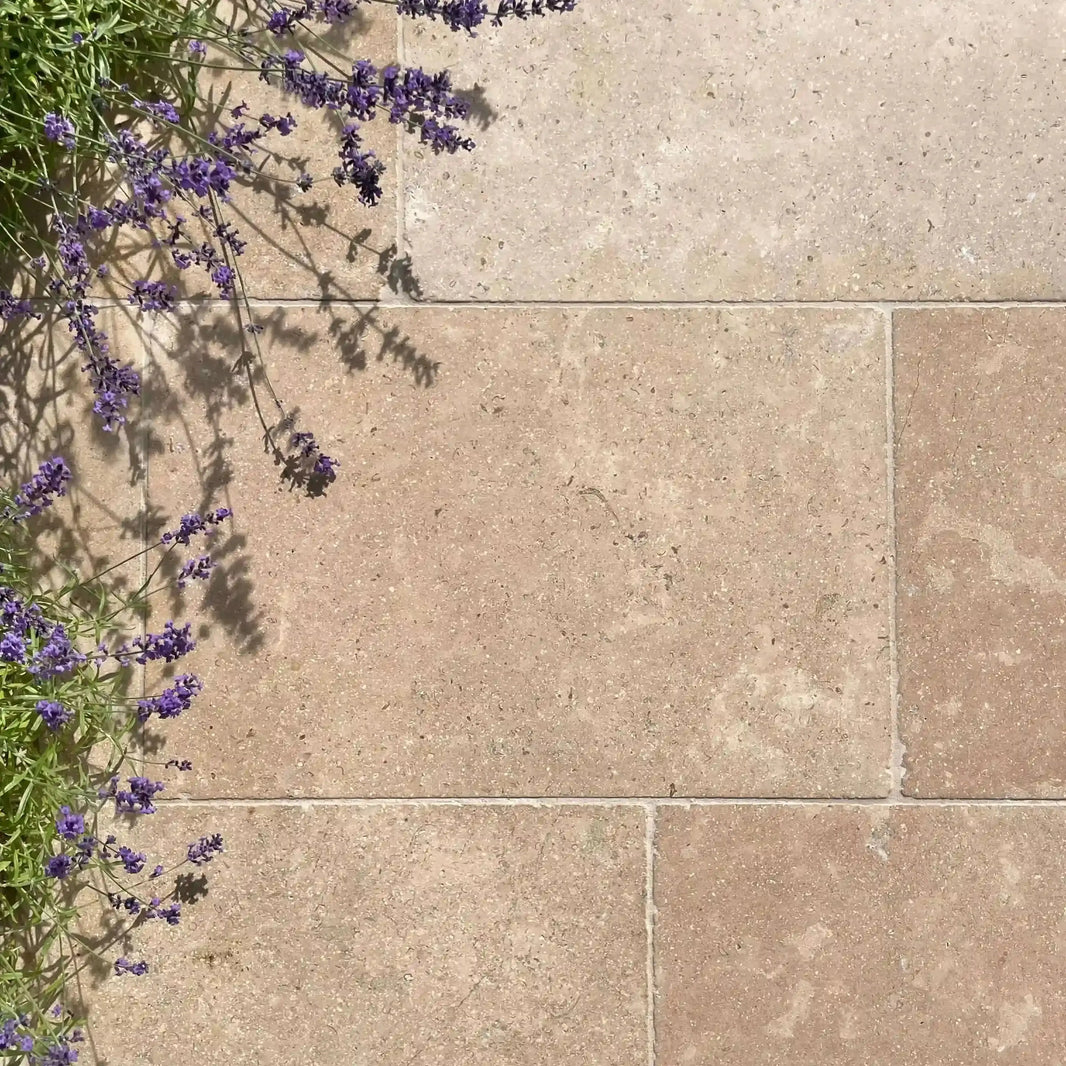
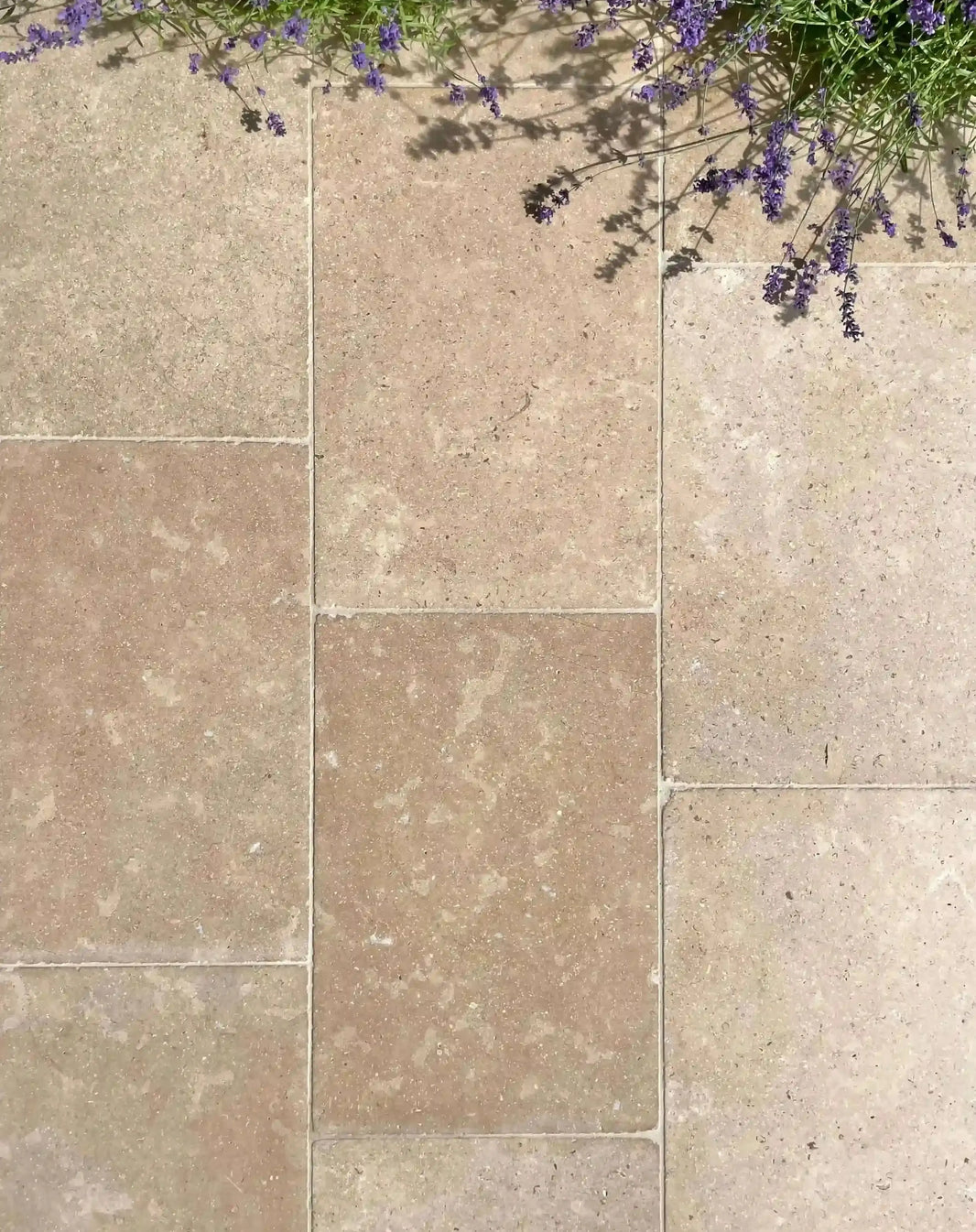
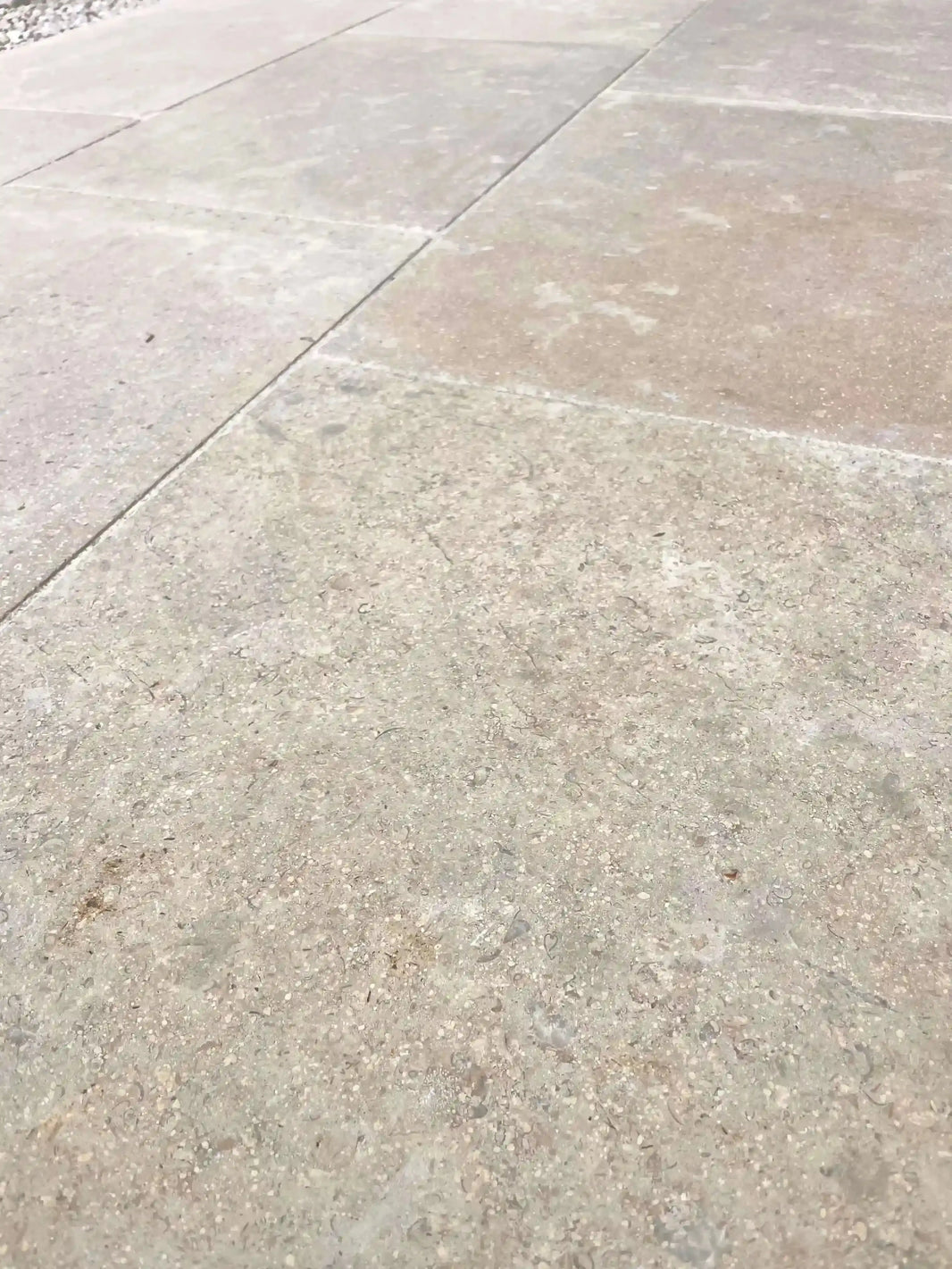
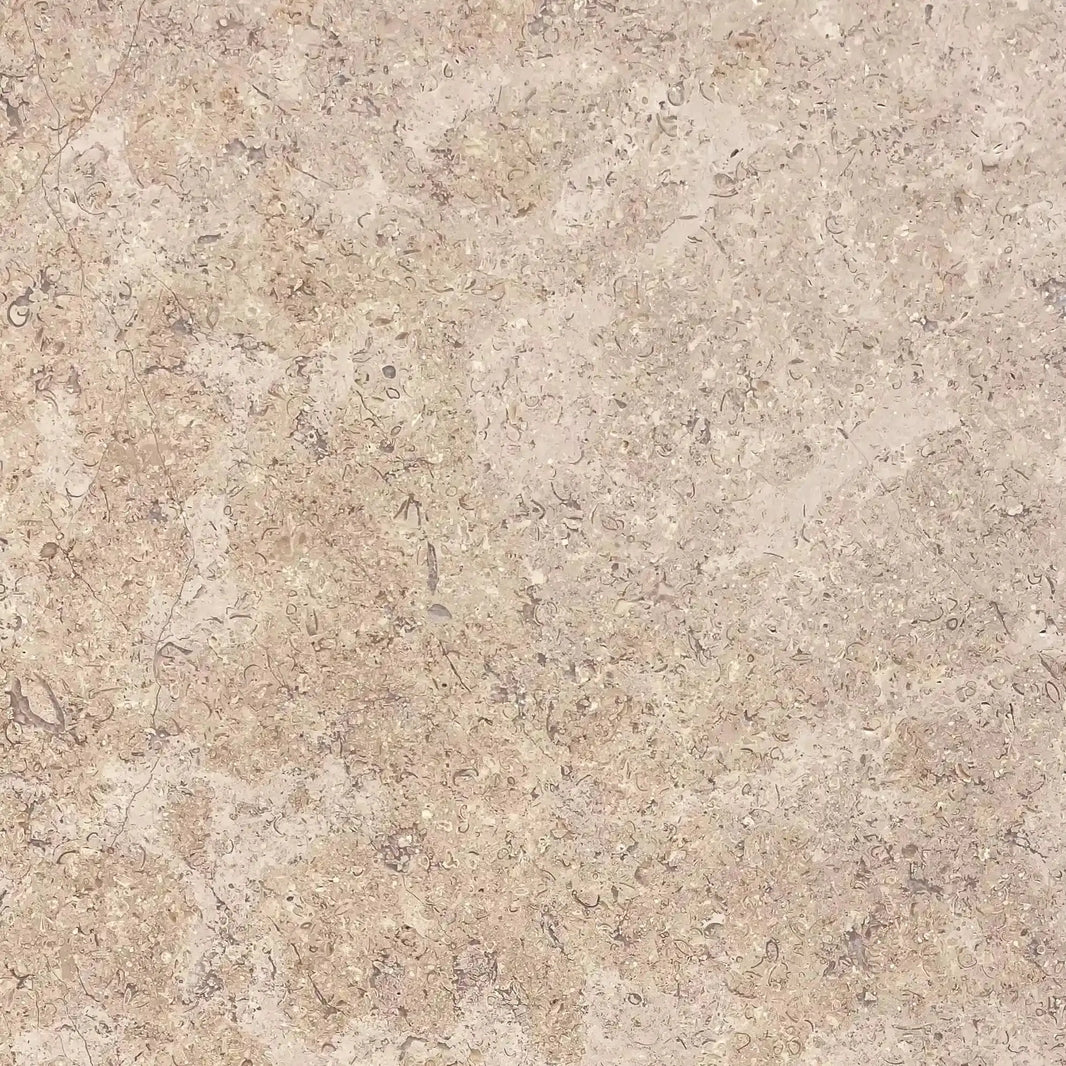
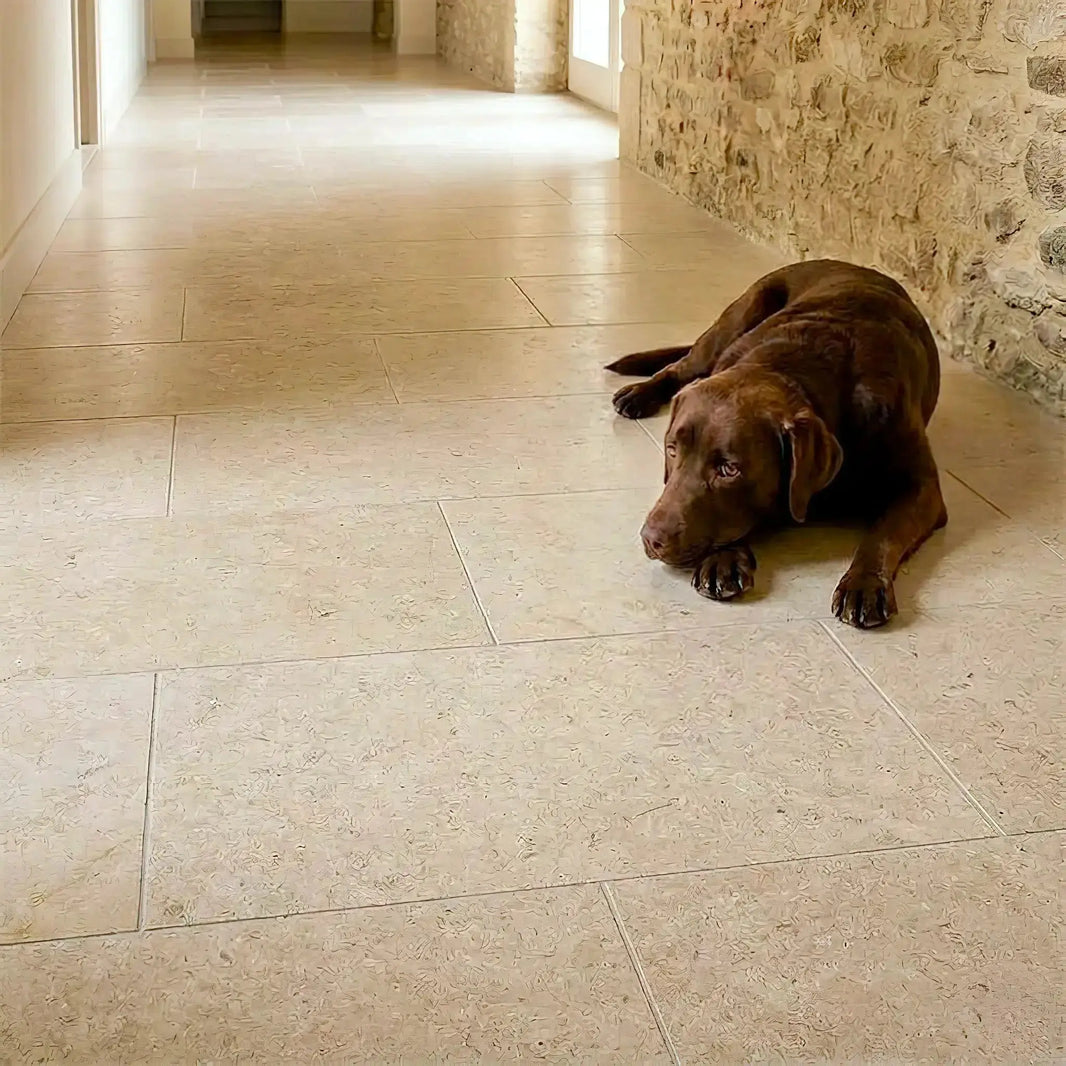
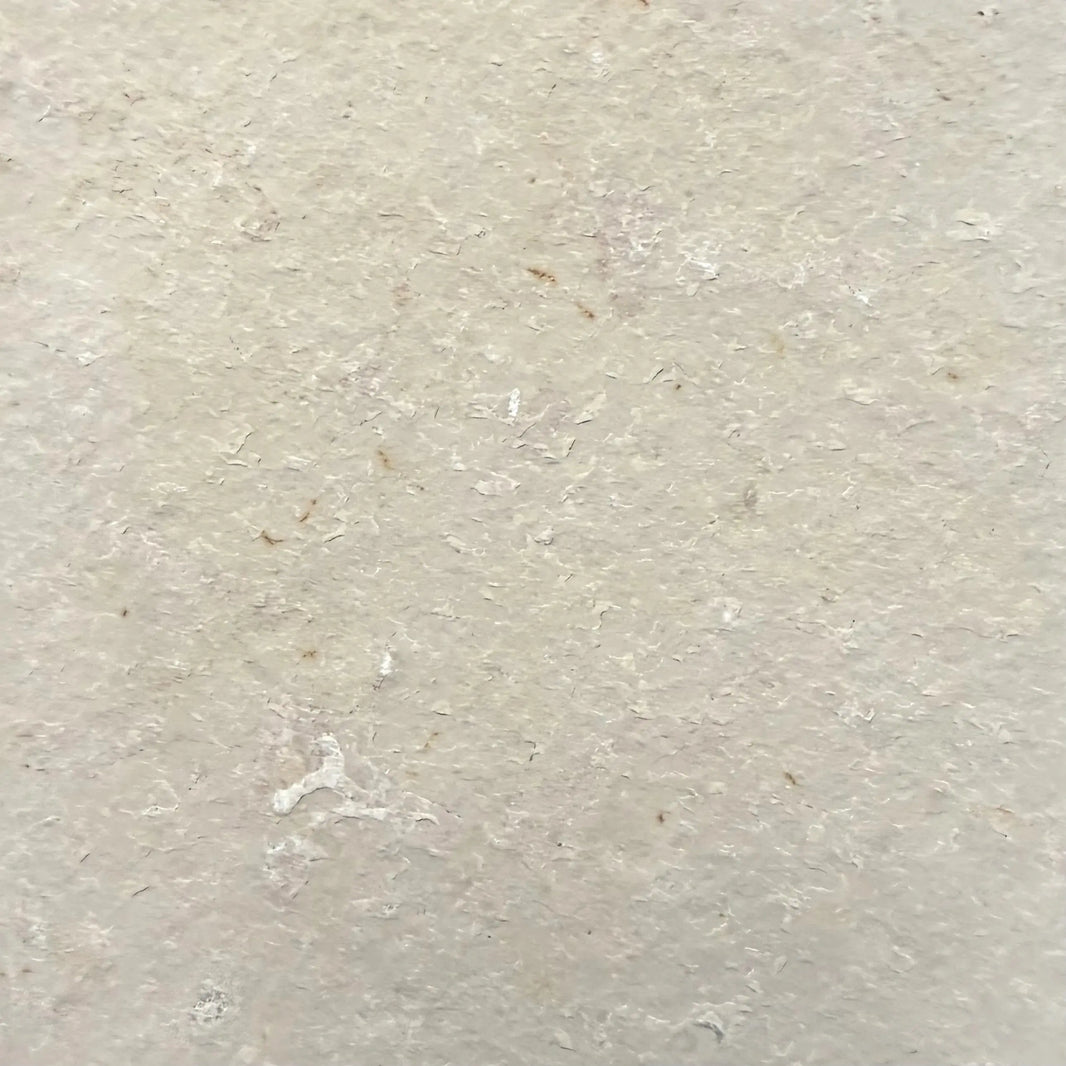
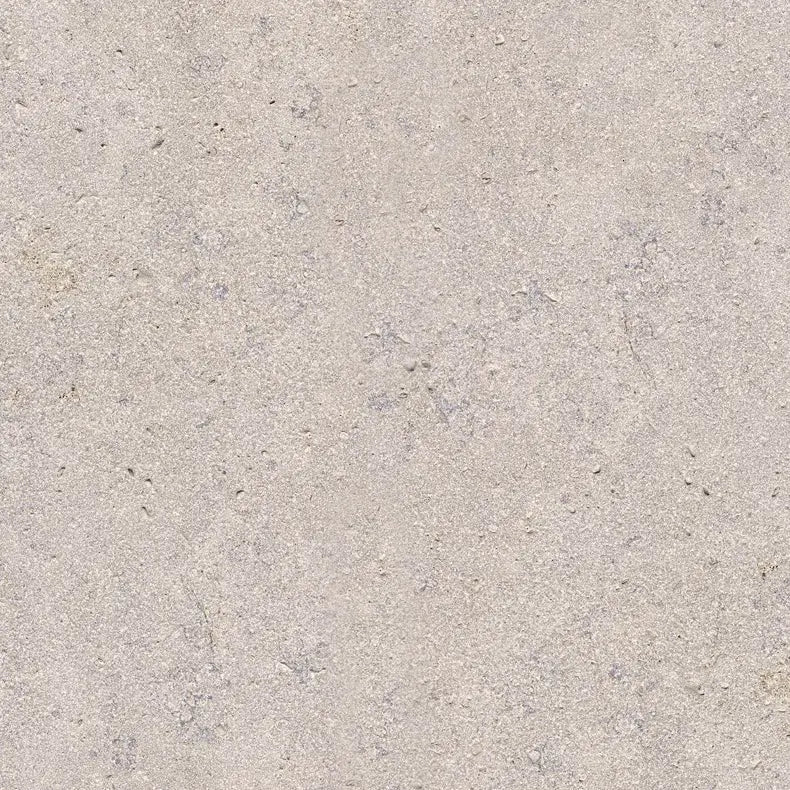
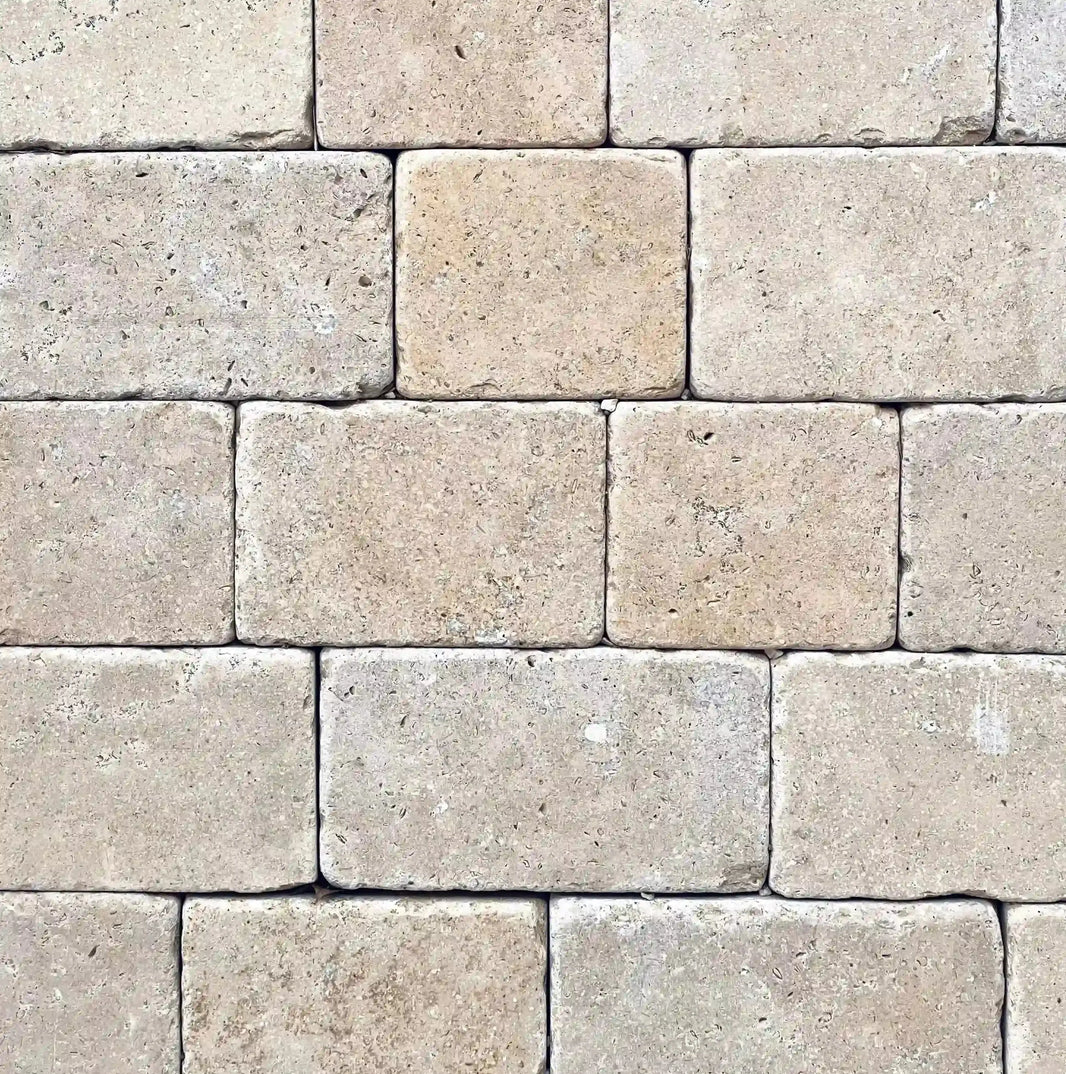
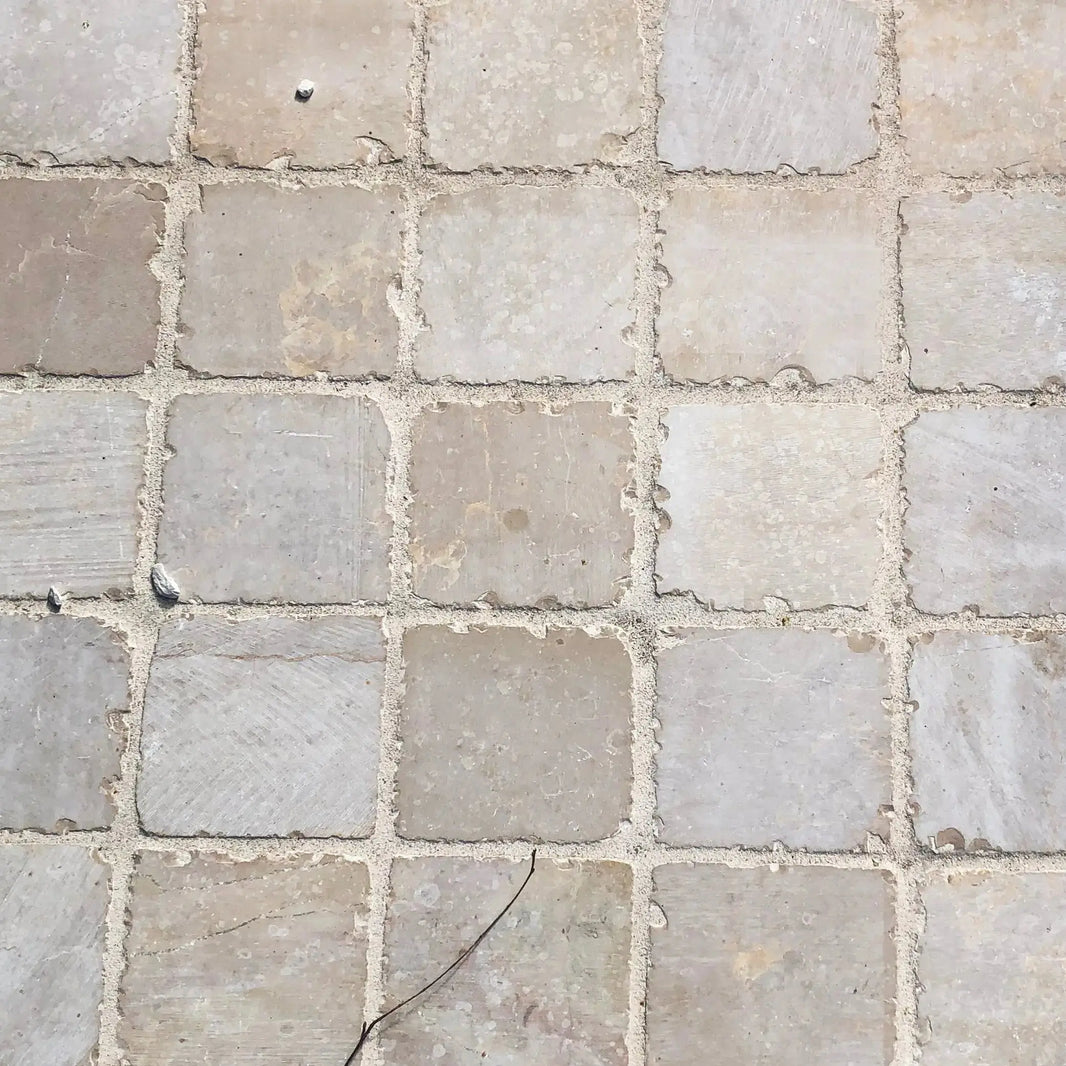
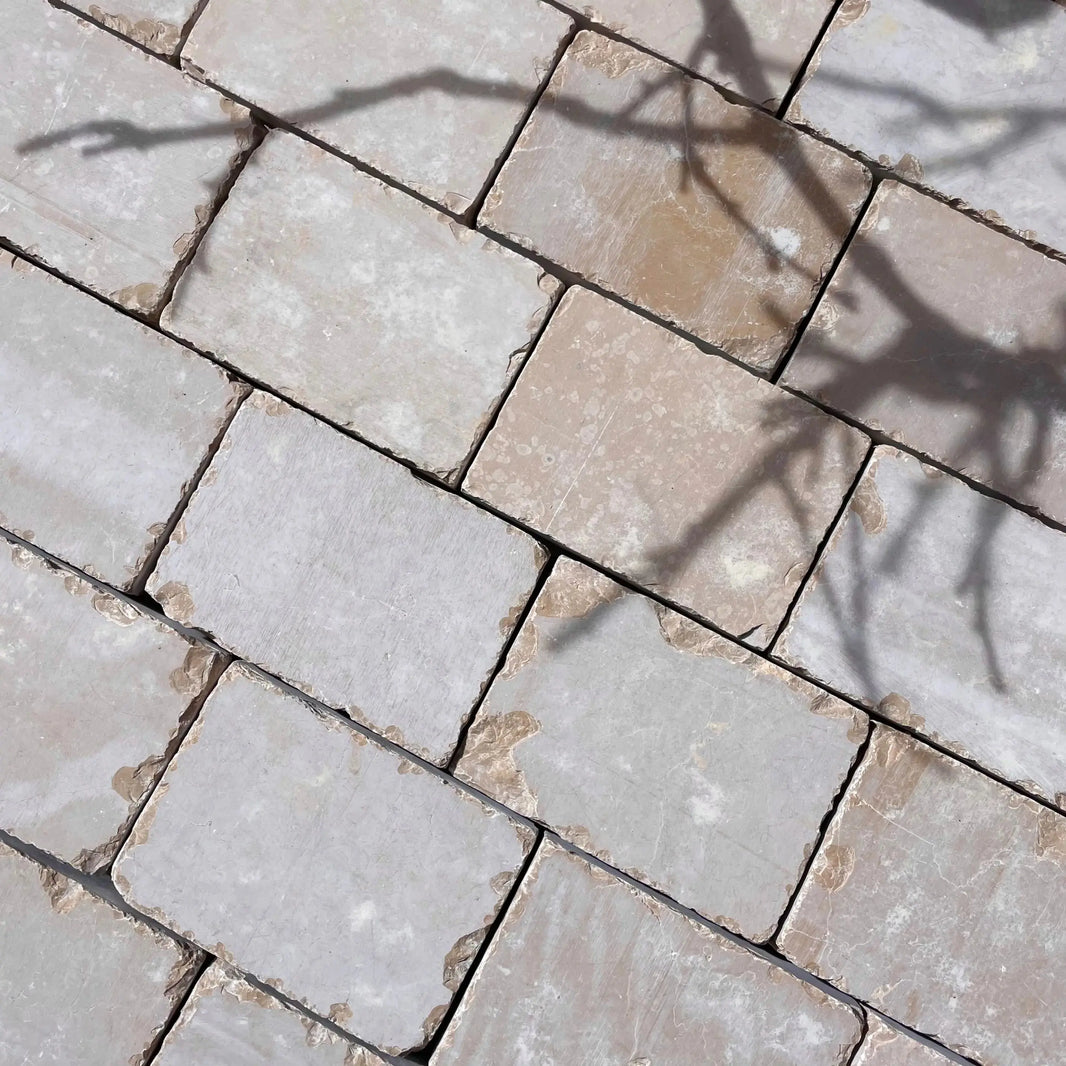
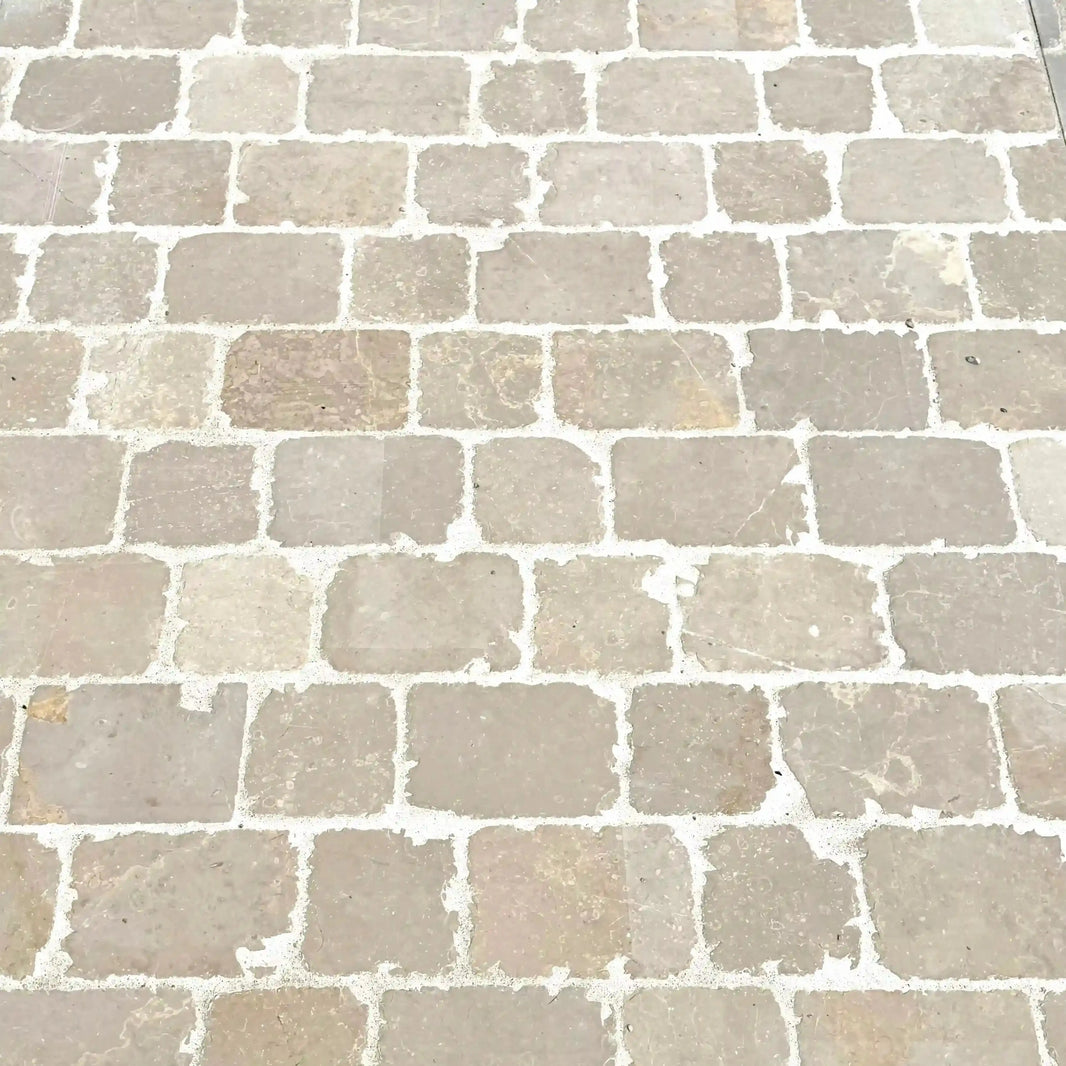
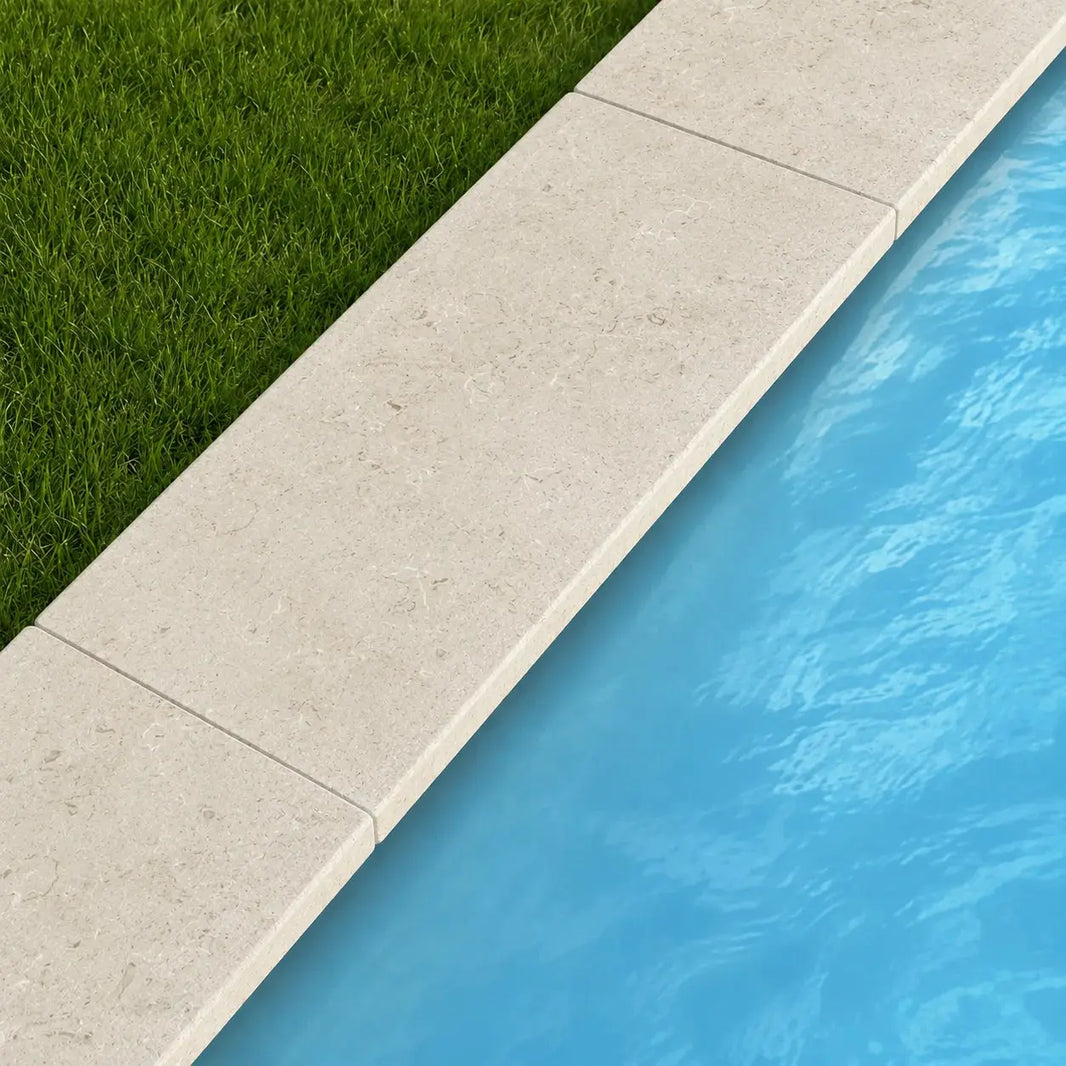
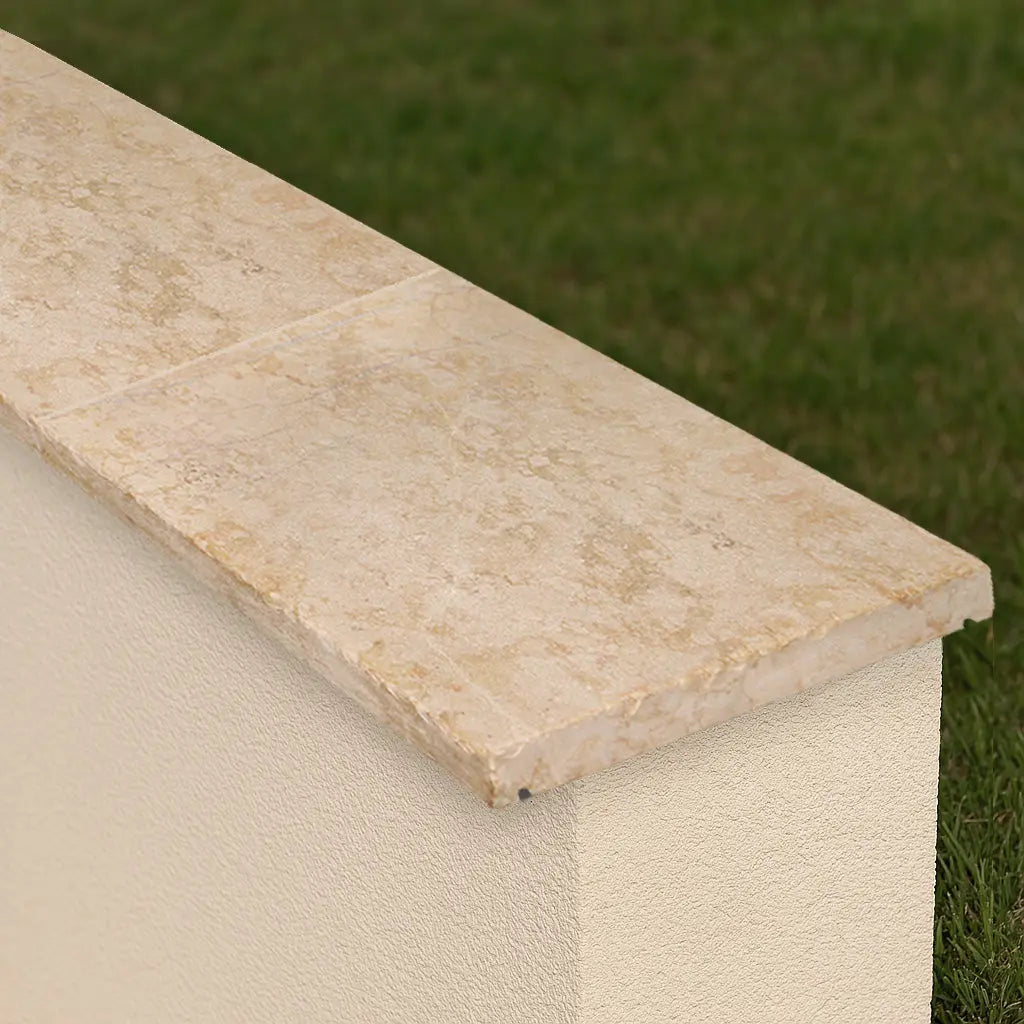
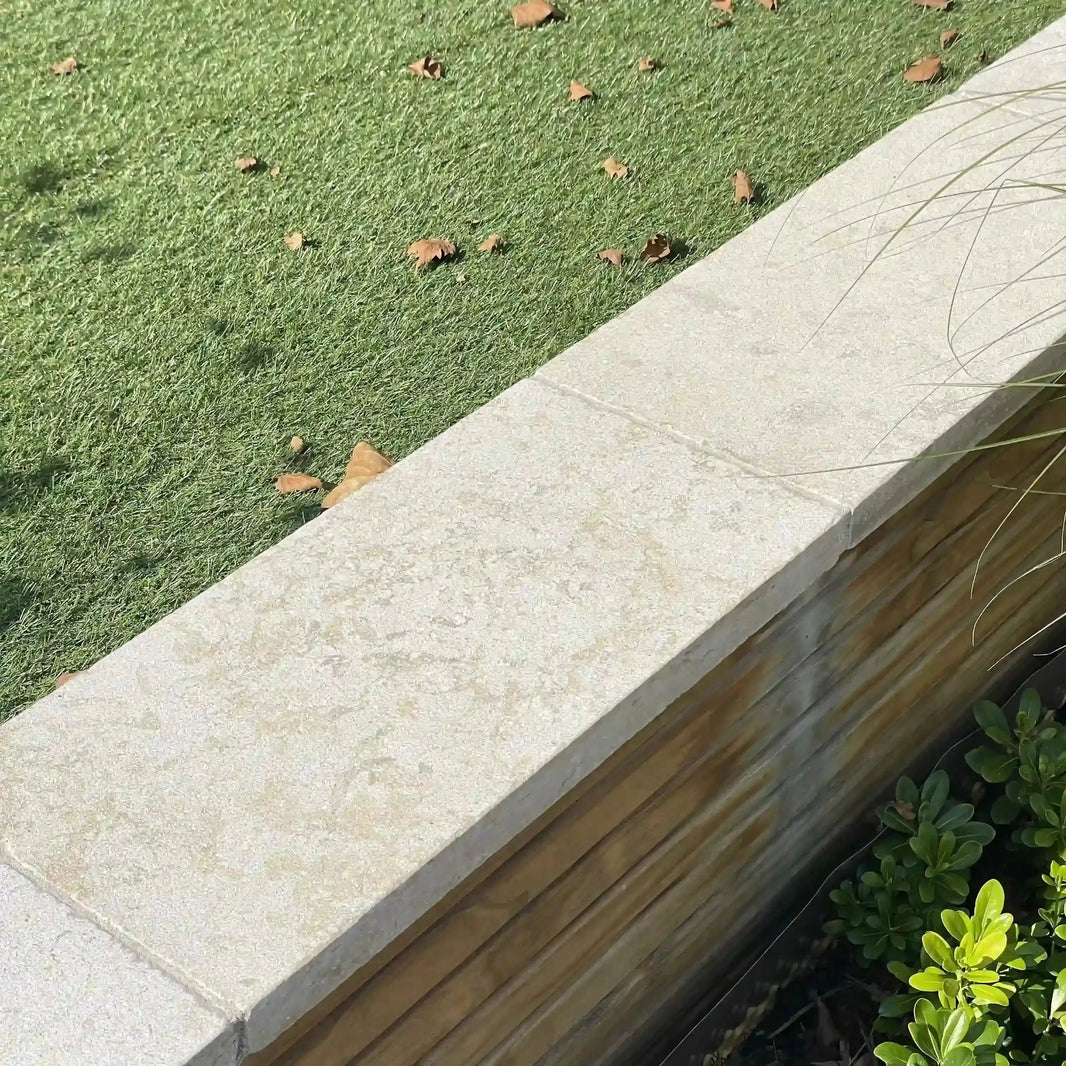
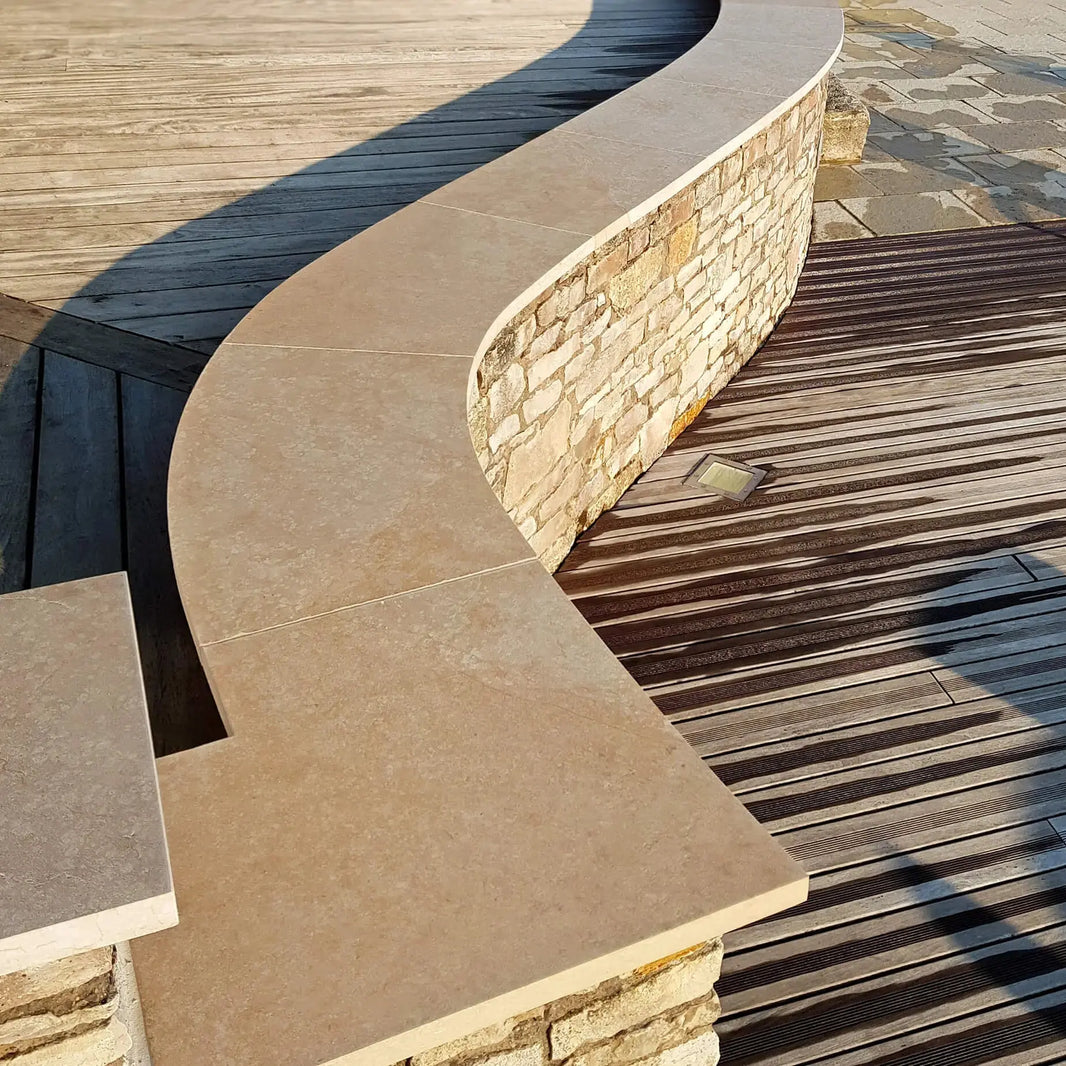
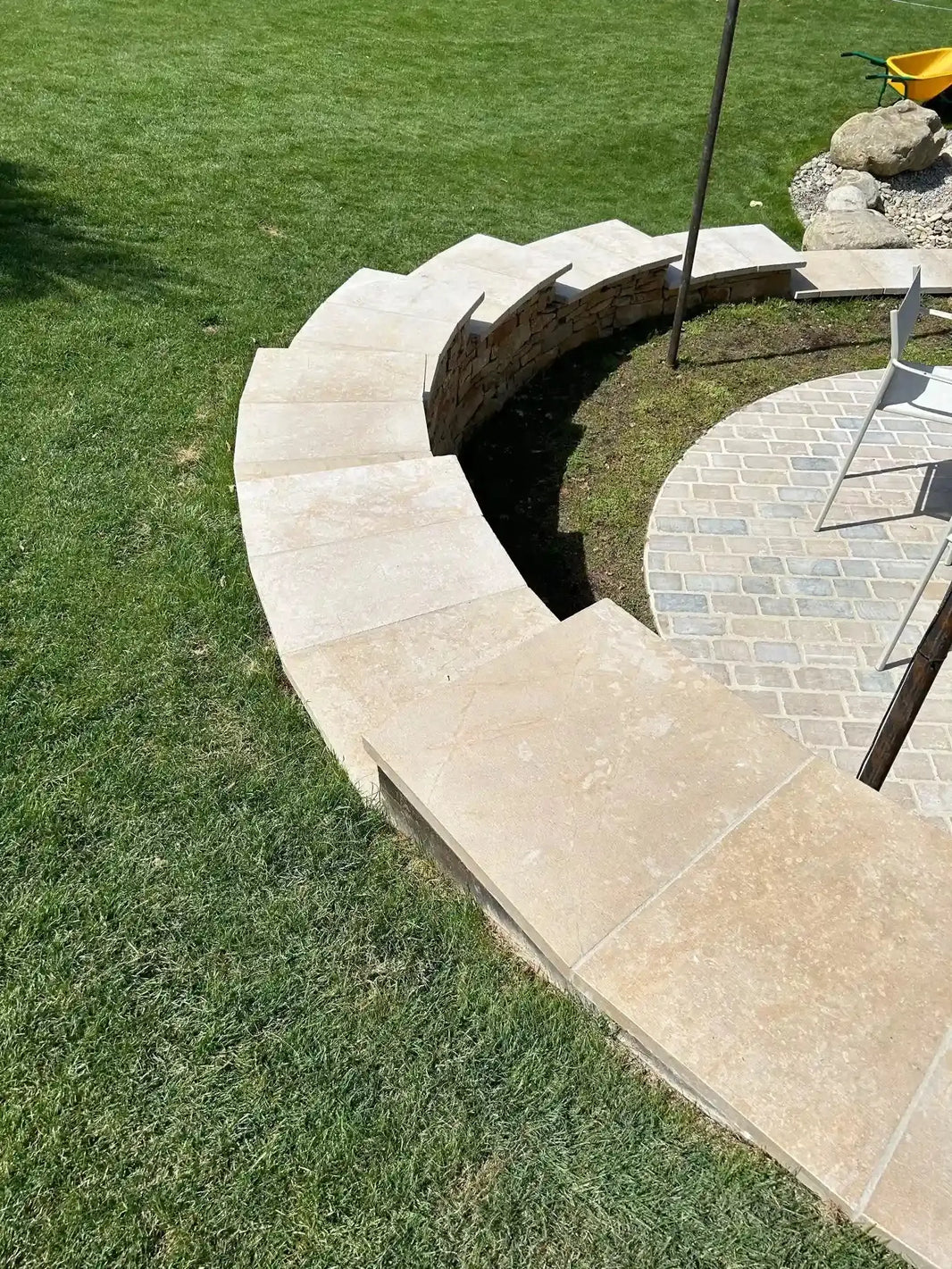
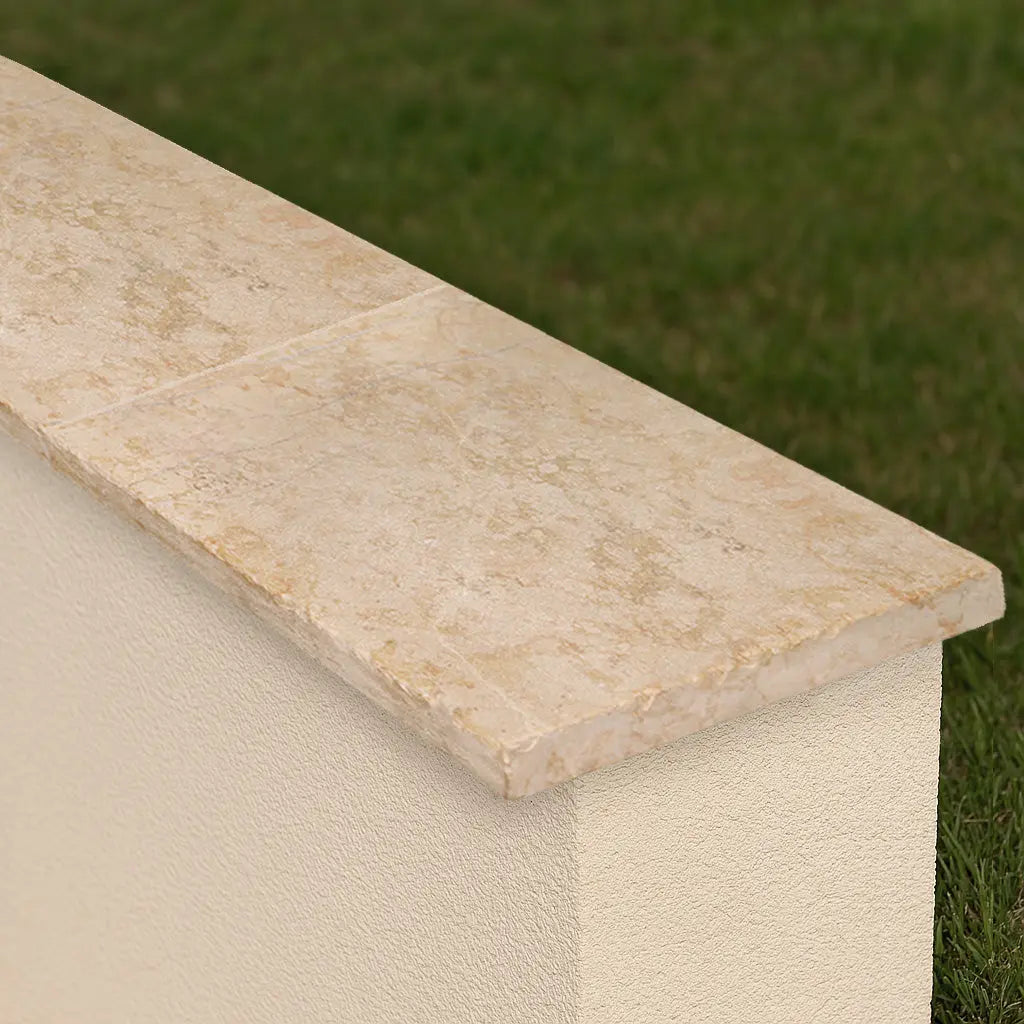
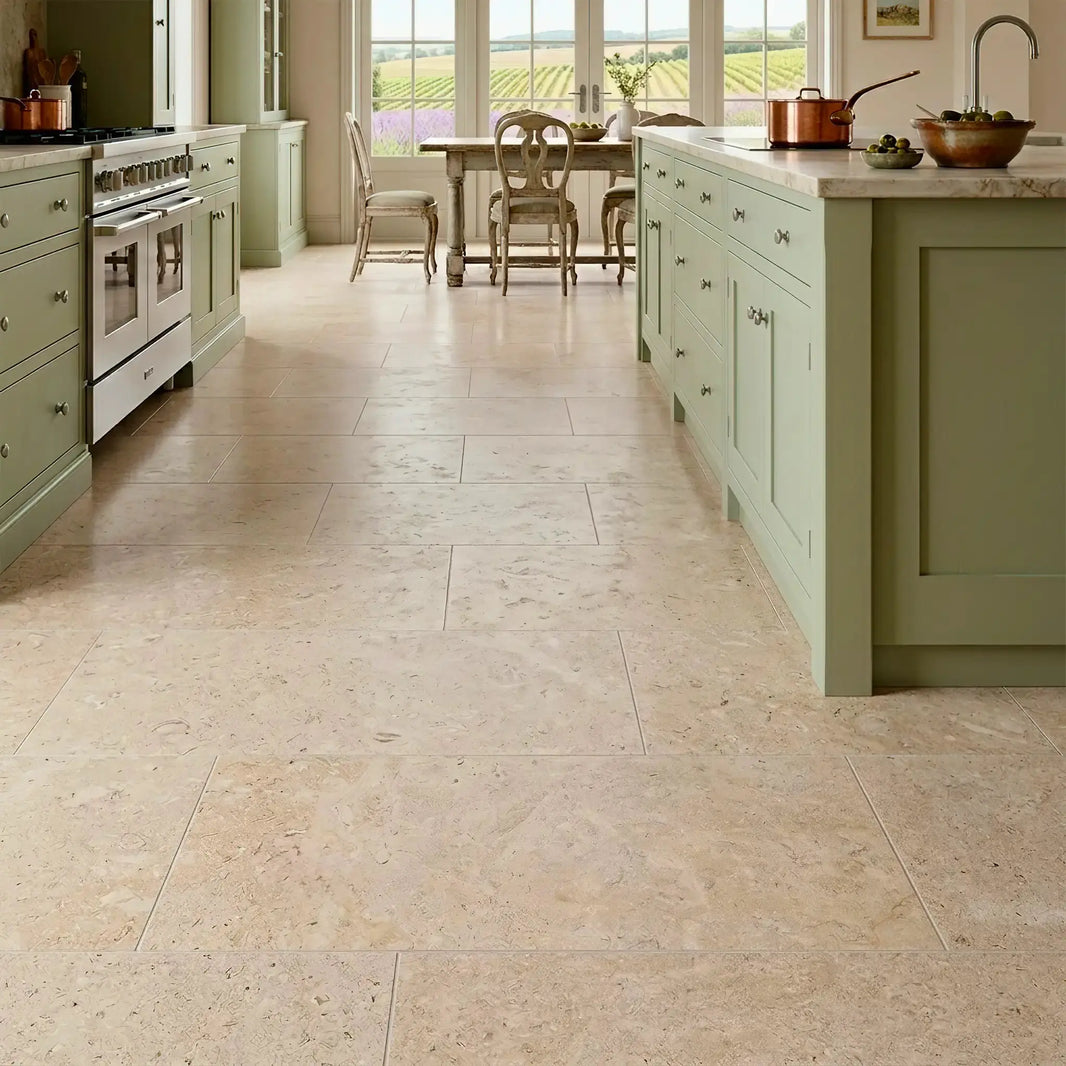
The Comblanchien stone is a Burgundy limestone extracted from the historic quarries of Comblanchien, known for its white-beige appearance, its natural beige shade and its great resistance. This natural stone is used as tiles, as interior floor covering or for outdoor terraces. Its slightly speckled look, sometimes marked by fossils, gives it an authentic charm. Highly appreciated for its elegant look, it is an excellent choice for a lasting project. This material suits different uses: paving, pool copings or stairs, with a suitable finish such as bush-hammered or honed.

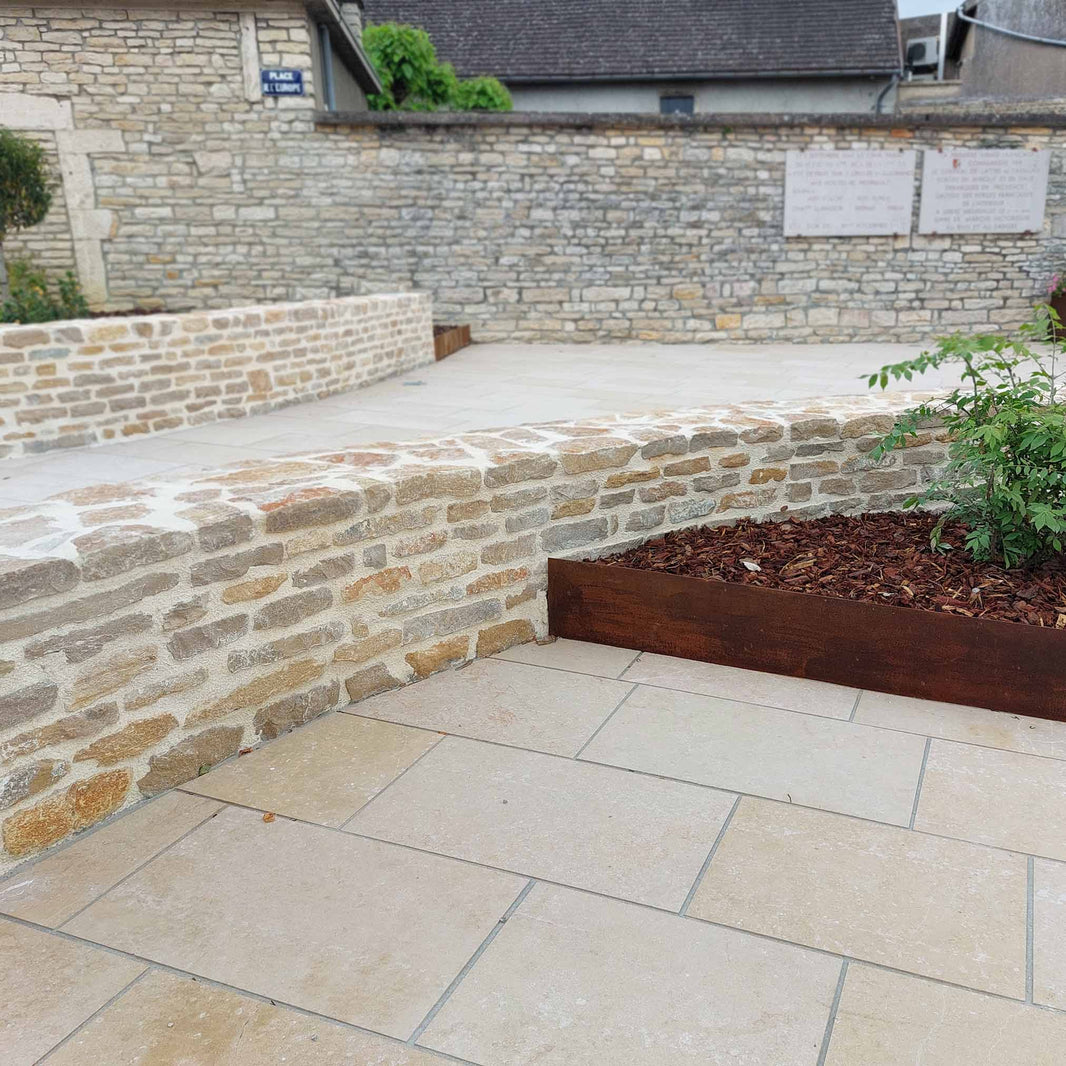
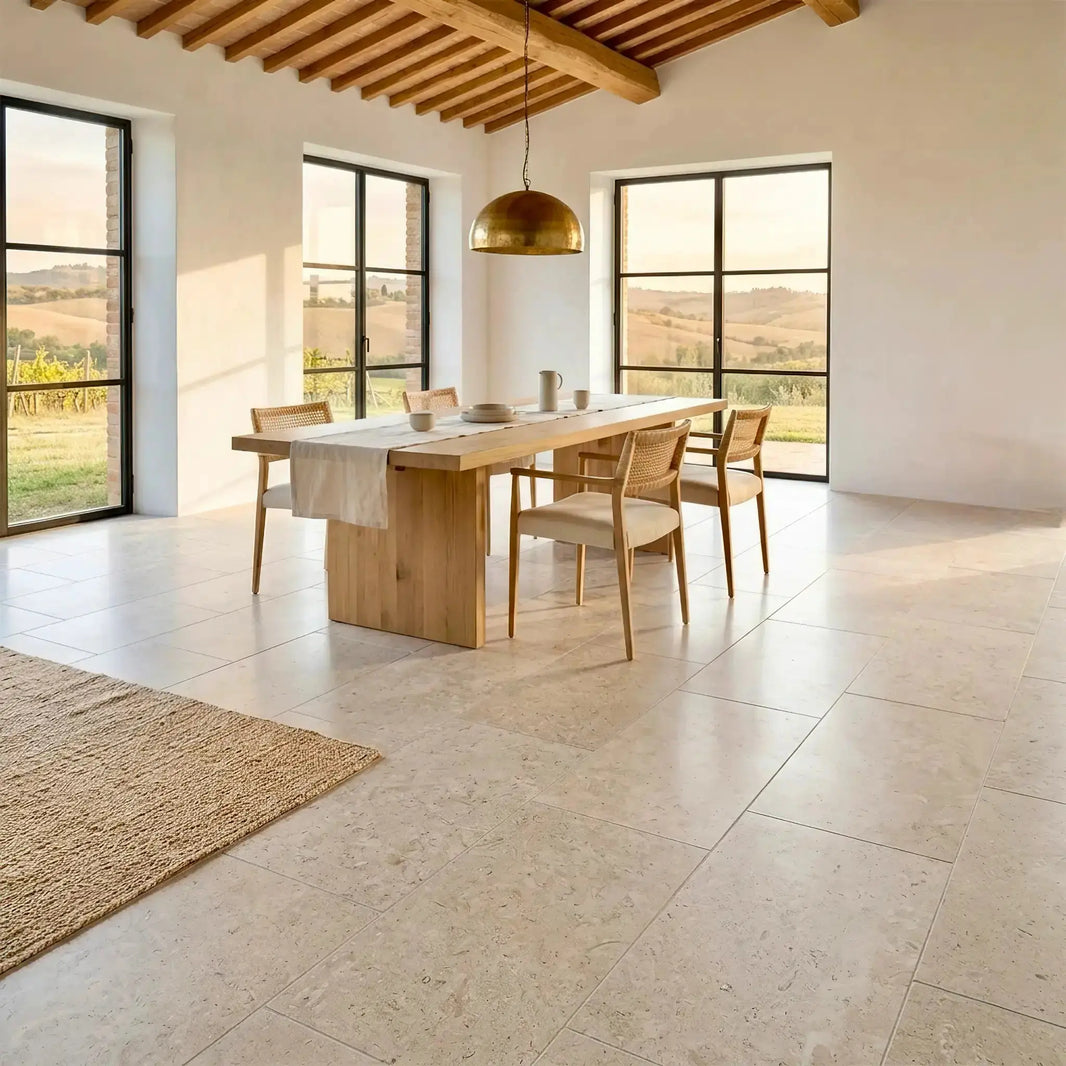
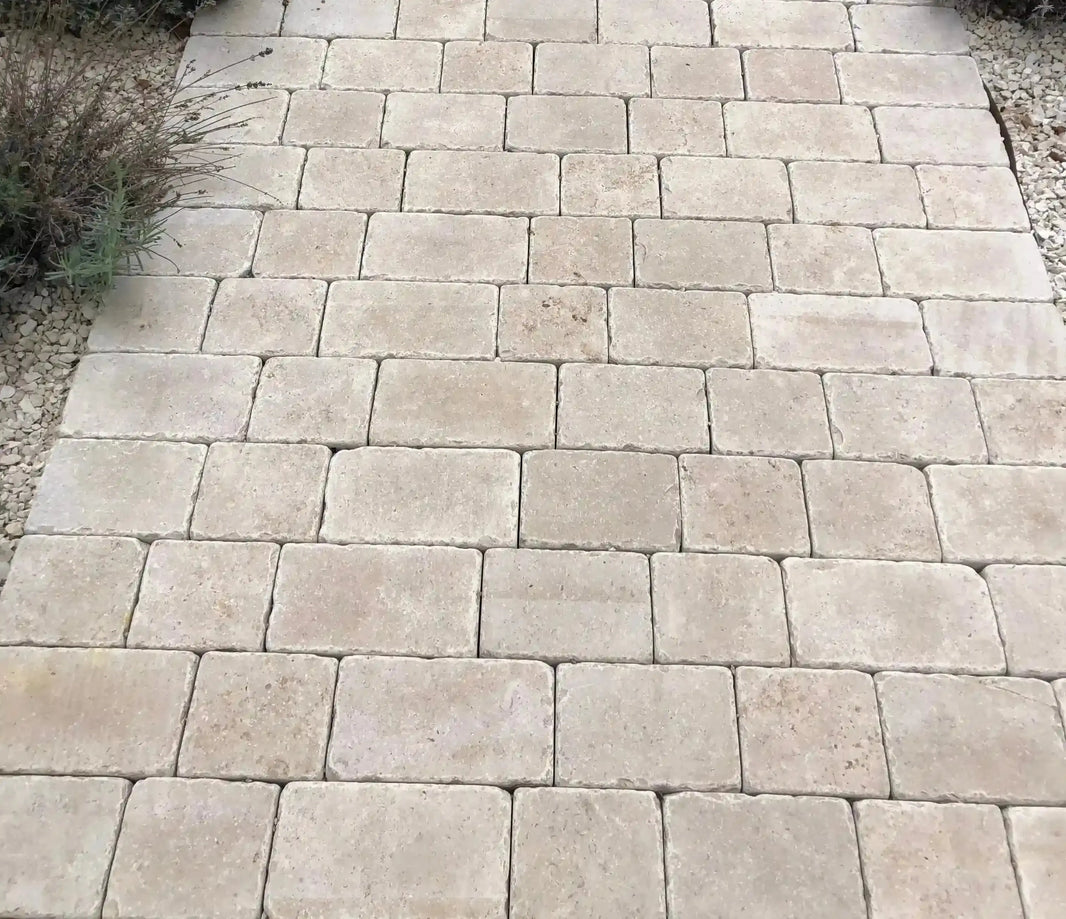
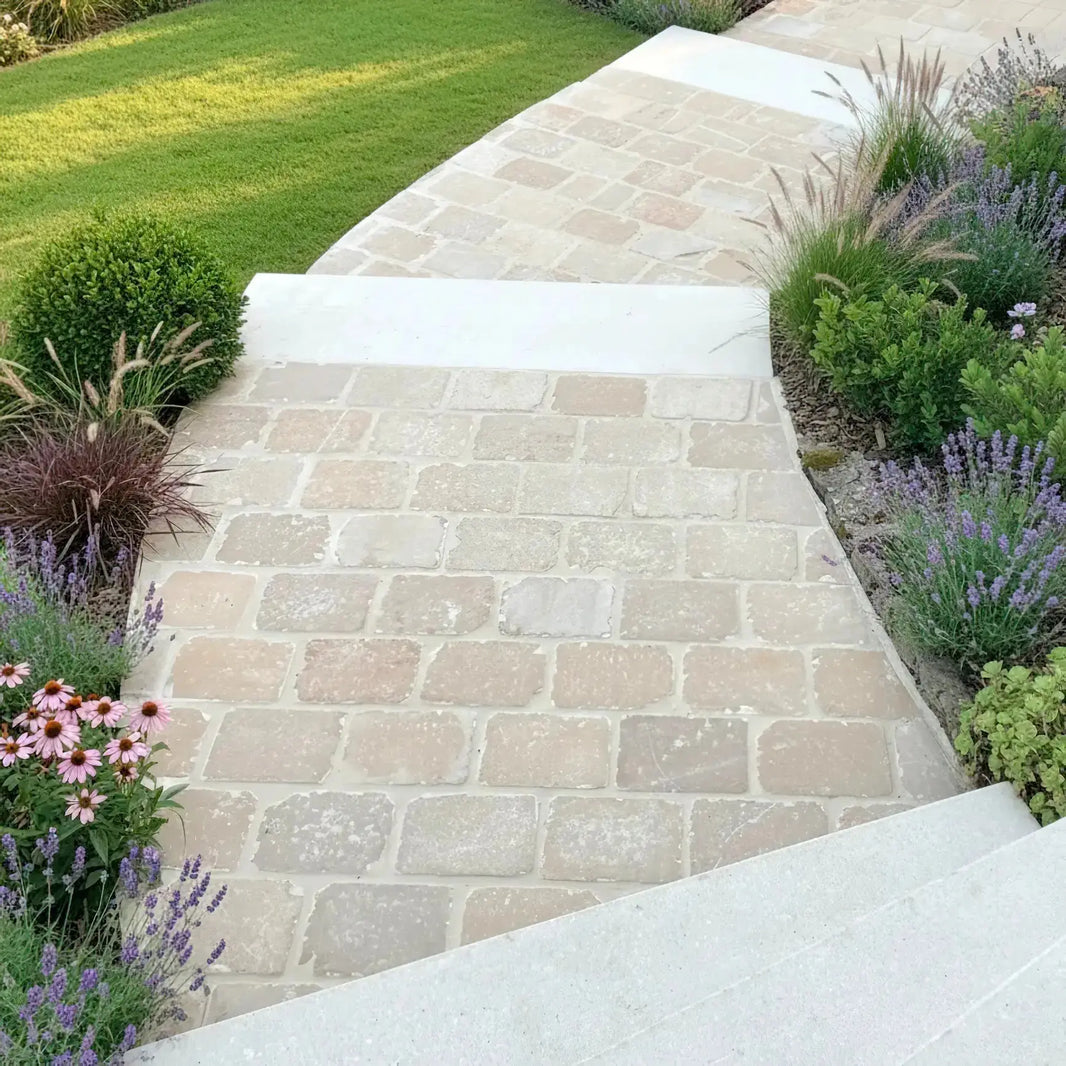
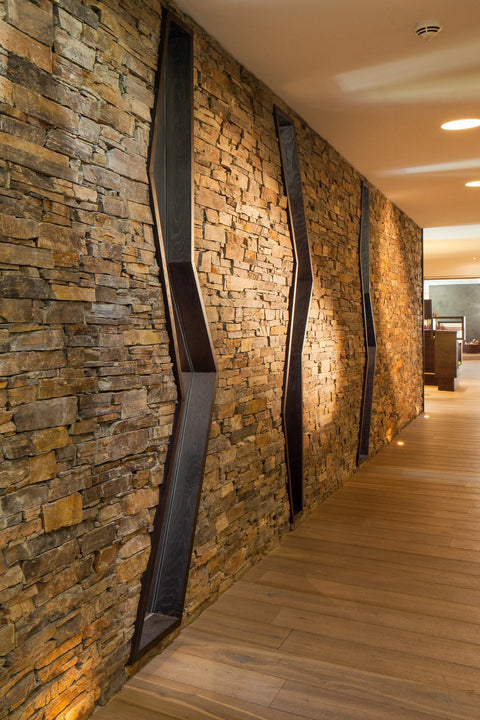
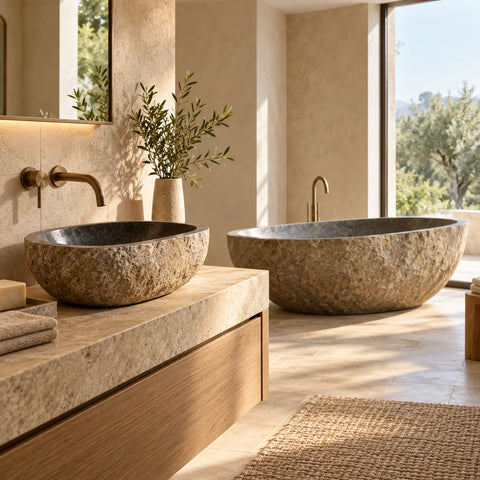
The Comblanchien stone is a versatile material, suitable for indoor and outdoor use. As floor tiles, it offers a natural look in living spaces. Outdoors, it is ideal for a terrace, pool coping or paths, thanks to its resistance to frost and moisture. This type of natural stone can also be used as wall cladding or for steps. Its thickness and finish (bush-hammered, honed or raw) allow an application suited to each substrate. It also pairs perfectly with other natural stones such as travertine.

The Comblanchien stone is recognised for its resistance, but like all natural stones, it remains sensitive to stains and water without suitable treatment. To ensure optimal protection, we recommend applying a water-repellent and oil-repellent treatment. This type of product limits moisture penetration and
makes everyday maintenance easier. Thanks to this protection, the tile surface remains durable and attractive, even outdoors. Used correctly, Comblanchien stone keeps its natural look and matt effect, while withstanding the technical demands of its use.

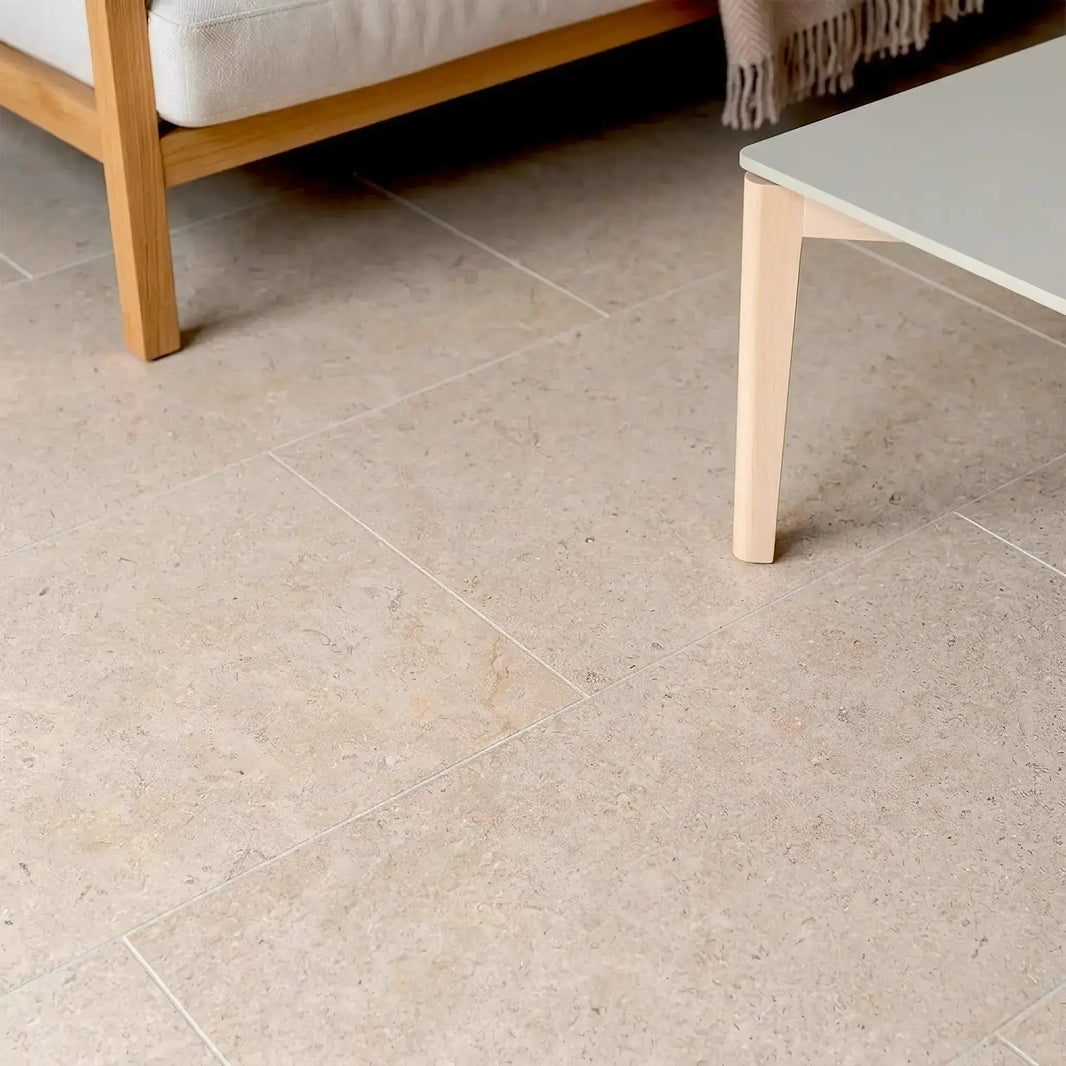
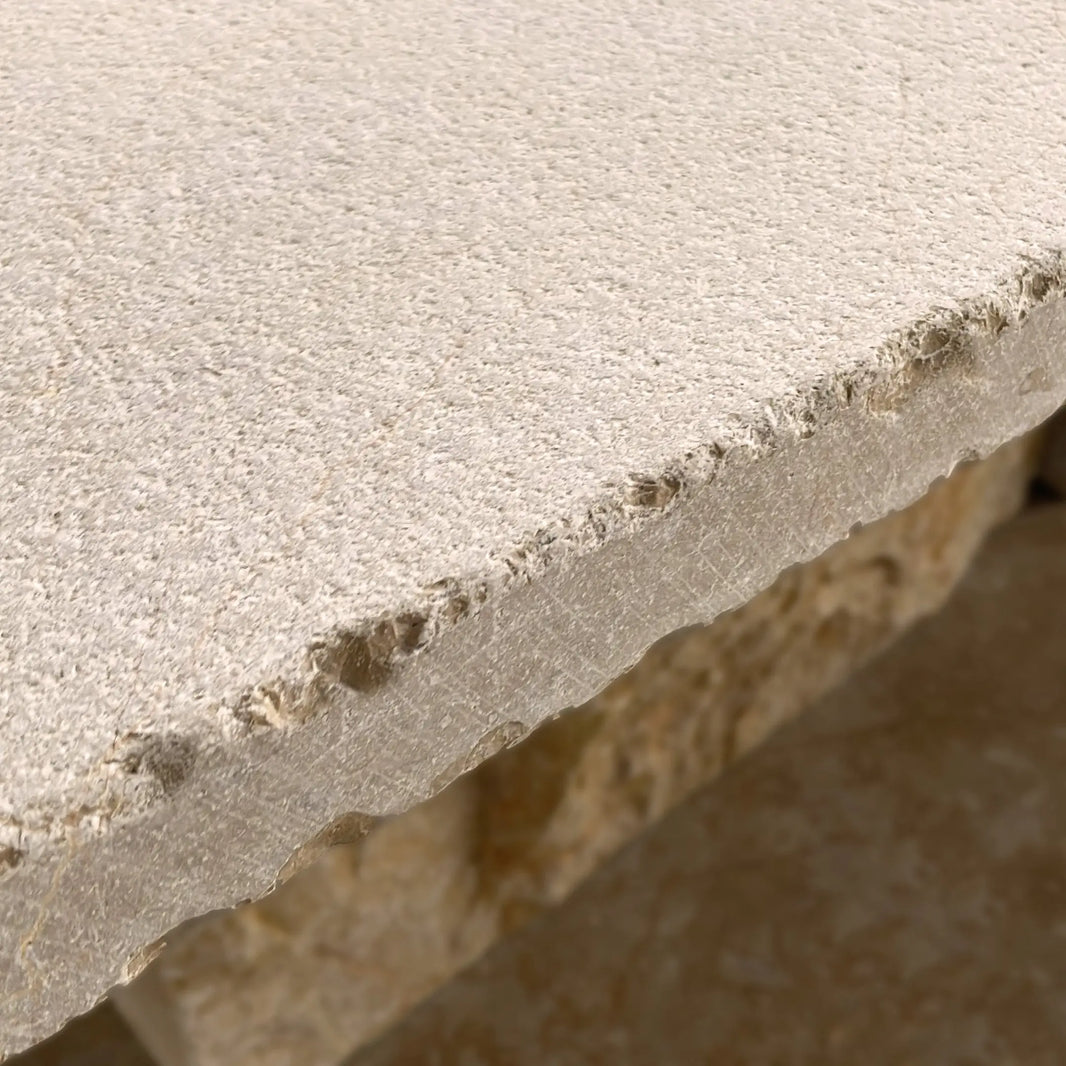
The Comblanchien stone comes in several finishes depending on the intended use. The honed finish is ideal for indoor use, offering a smooth, elegant look. The bush-hammered finish is rougher, perfect for outdoor settings such as a terrace or pool coping, as it improves grip. Aged or brushed finishes are also available for a more authentic effect. The choice of finish depends on the substrate, the application and the style sought. Each finish highlights the natural beige tone and homogeneous structure of this limestone.

Maintaining a tile in Comblanchien stone is simple with the right products. After installation, a water- and oil-repellent treatment is essential to protect the surface against stains and moisture. On a daily basis, cleaning using clear water and
a neutral product is enough. It is advisable to avoid acidic products that could damage the limestone. Thanks to its resistance, the stone keeps its aesthetics over time. With good maintenance, this natural stone covering remains durable, whether indoors or outdoors.

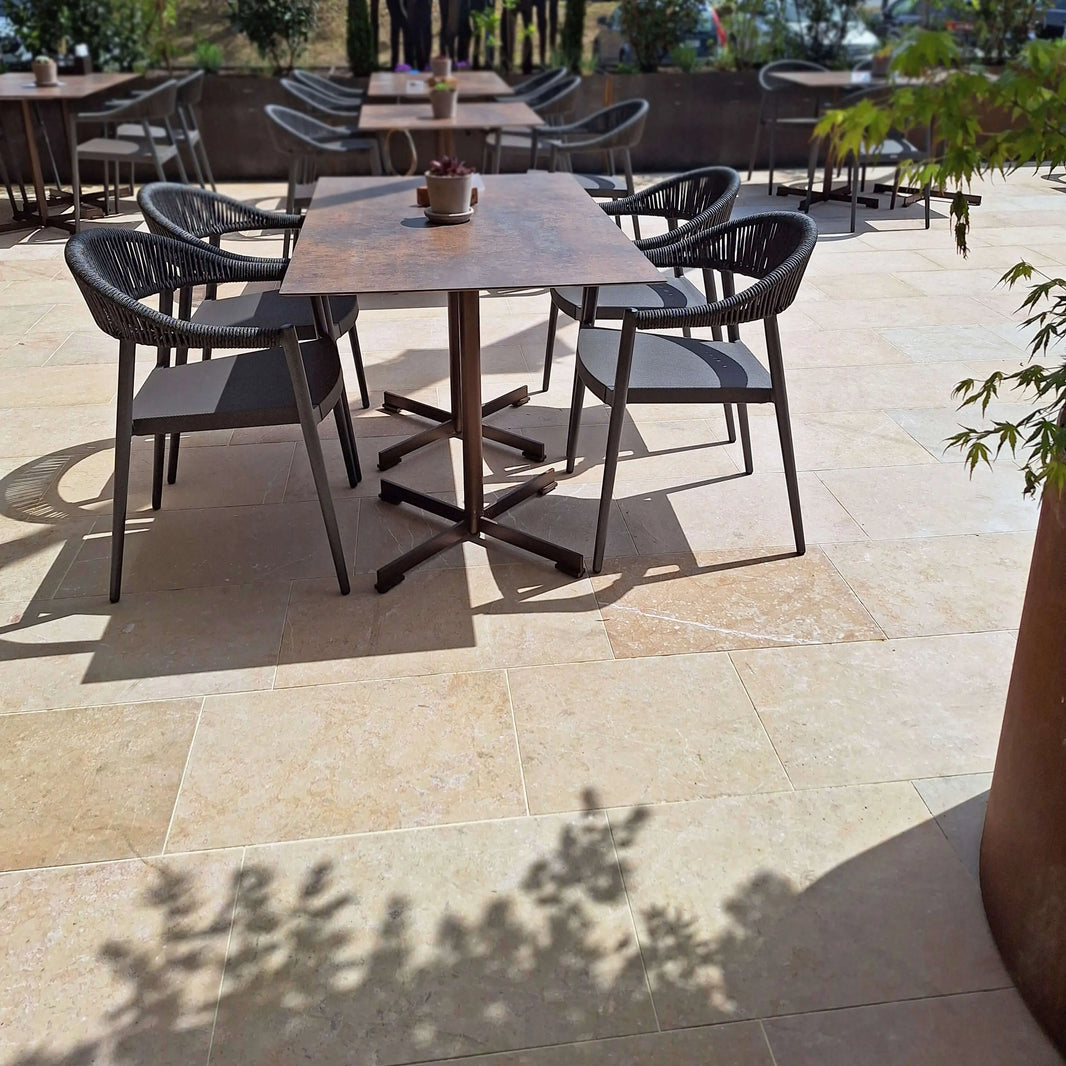
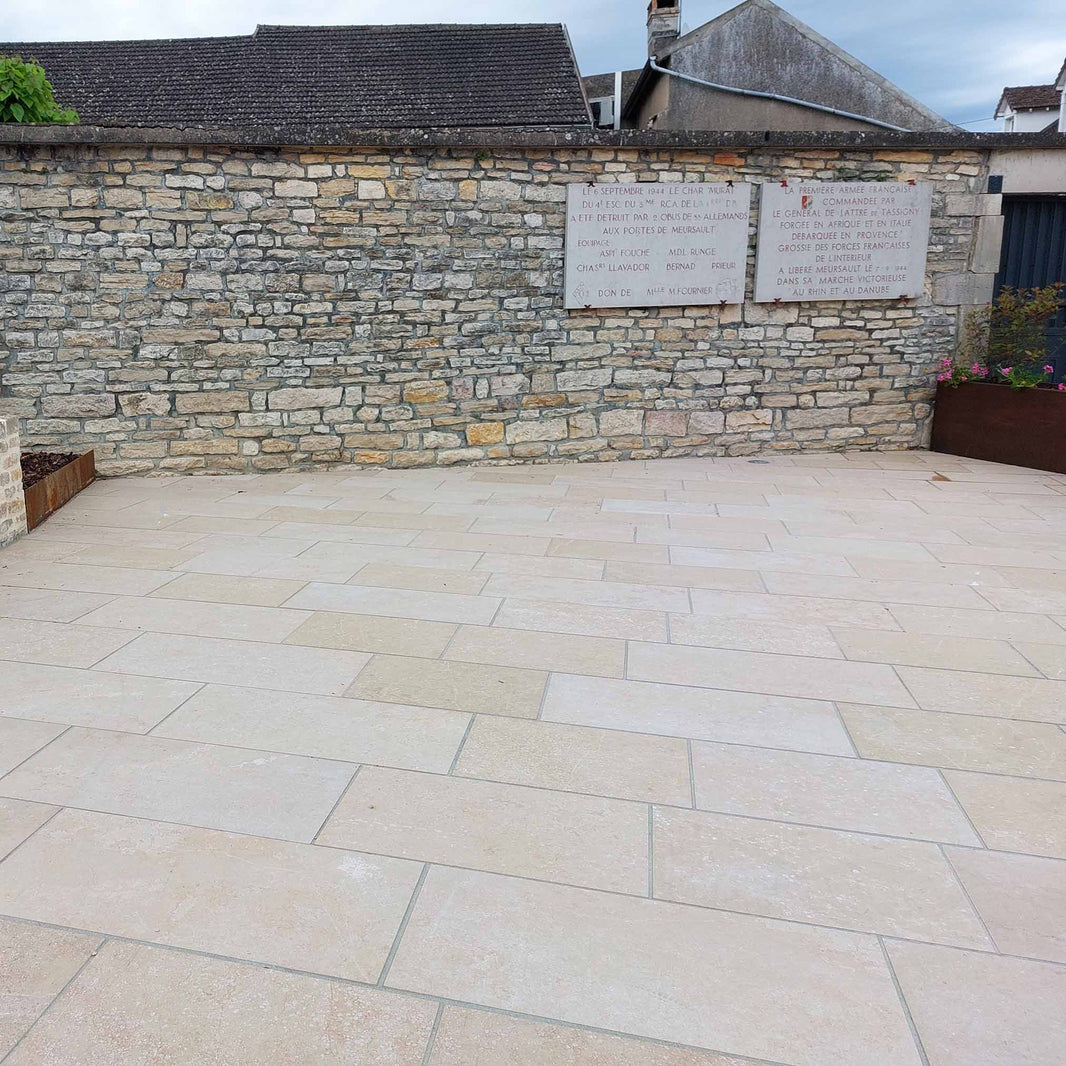
The Comblanchien stone is particularly well suited to outdoor spaces thanks to its resistance to frost, moisture and climatic variations. Used for terraces,
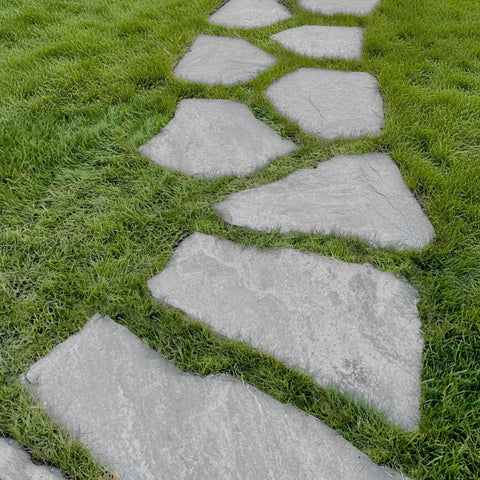
pool copings or paths, it offers a durable and attractive surface. Its bush-hammered finish improves grip and makes surfaces exposed to water safer. This natural material, from the Burgundy quarries, guarantees excellent long-term performance. Its natural look blends perfectly into all outdoor environments. It is both technical and aesthetic for a quality project.

The price per m² of Comblanchien stone depends on several criteria: thickness, finish, type of product (tile, slab) and quality from the quarries of Burgundy-Franche-Comté. A stone with a bush-hammered finish for outdoor use or a honed finish for indoor use can affect the cost. The water-repellent treatment, as well as the substrate preparation and the grout joints, are also factored into the overall budget. This natural material remains a lasting investment thanks to its strength and uniform appearance. It depends on the use (floor, terrace, cladding) and on the technical constraints of the project.
Comblanchien stone and travertine are two natural limestones, but their appearance and use differ. Comblanchien offers a more homogeneous structure, with a regular beige shade that is sometimes slightly speckled. Travertine, on the other hand, has more cavities and a more nuanced appearance. In terms of
strength, Comblanchien is often preferred for outdoor floors or terraces thanks to its density. Travertine is suitable for both indoor and outdoor use, but sometimes requires more treatment. It depends on the aesthetic result, the type of project and the intended application.

The Comblanchien stone and marble are two natural materials widely used as coverings, but their characteristics differ. Comblanchien, a limestone from Bourgogne-Franche-Comté, offers a matt, homogeneous and natural look, ideal for floors, terraces or outdoor applications. Marble, more veined and often glossier, is used more for high-end decorative indoor projects. In terms of maintenance, Comblanchien stone is easier to live with day to day with a suitable treatment. These stones depend on the use, the style sought and the level of resistance desired.

The Comblanchien stone comes from the quarries located in Bourgogne-Franche-Comté (see our Burgundy stones). This limestone material is extracted in massive blocks, then transformed into tiles, paving or building elements. Its quality depends directly on the origin of the stone bed and the extraction work. The Comblanchien quarries are renowned for producing a dense, homogeneous and durable natural stone. This provenance guarantees a reliable product, used for decades in French architecture, both indoors and outdoors.

Installing a tile covering in Comblanchien stone requires a clean, stable and dry substrate. It is recommended to use an adhesive suitable for natural stone and to allow for grout joints of consistent width to ensure durability. Depending on use (indoor or outdoor), the choice of finish and thickness is essential. After installation,
applying a water- and oil-repellent treatment is essential to protect the surface from water and stains. Good workmanship ensures optimal resistance and a uniform aesthetic result. Following these technical recommendations guarantees the longevity of the covering.

Yes, the Comblanchien stone is suitable for environments exposed to moisture, provided a suitable water-repellent treatment is applied. Used in a bathroom, on a terrace or around a pool, it offers good resistance to water and climatic variations. Its bush-hammered finish is particularly recommended
outdoors to avoid slippery surfaces. This natural material remains durable over time, even in damp conditions, provided it receives regular maintenance. Thanks to its technical properties and homogeneous appearance, Comblanchien stone is a reliable choice for projects exposed to water.

The price per m² of Comblanchien stone varies according to several technical and aesthetic criteria. The thickness, the type of finish (honed, bush-hammered, raw), as well as the format of the tile or paving directly influence the cost. The origin of the Burgundy quarries and the quality of the stone sorting also play an important
role. Added to this are treatments such as a water repellent, essential to protect the surface against water, moisture and stains. Finally, the type of substrate, the installation and the grout joints can affect the overall budget. A durable natural stone justifies a considered investment.